I asked ASEEES members who are also professional translators to share how their work in this other field informs their current projects and professional identity. Whether a full-time career, a side gig, a research area, or an occasion for gathering, translation has been central to these colleagues’ engagement with our field. In this discussion, they challenge us to think beyond the very binary—scholarship versus translation—that occasioned their gathering.
– Fiona Bell (University of Utah), ASEEES Communications Advisory Committee
Fiona Bell: How did you get into translation?
Sibelan Forrester: I did some prose translations from Croatian as part of an exchange program abroad, then began translating poetry from Russian (Pavlova, Rostopchina, Zhadovskaia, Lokhvitskaia) so I could teach it in class.
Shelley Fairweather-Vega: Translation was part of my duties at every internship and job I had before graduate school, so by the time I started my M.A., I was regularly taking small translation jobs. After finishing the degree, I kept up the freelance translation work while also holding down another part-time job and raising my kids. After about five years, I had enough work coming in to quit my day job and translate full time.
Jess Jensen Mitchell: Entirely by accident. Before graduate school, I’d done some translation and editing work for a Polish NGO, but I didn’t consider myself a literary translator until later. On a whim, I decided to translate a hilarious Polish book for family and friends. That led to the Emerging Translator Mentorship with Antonia Lloyd-Jones and then I was hooked.
Russell Scott Valentino: I had a romanticized idea of translation since probably my late teens and didn’t get a chance to actually engage in it seriously until graduate school, when Michael Heim taught a UCLA class through the comparative literature department. It was a turning point.
FB: What’s one translation community, big or small, that you belong to? How has it influenced you?
SF: ALTA! (The American Literary Translators Association) It is the friendliest of all conferences, the senior people are very warm and welcoming to “emerging” translators, and everyone (even a total stranger who works from a different language) is good company and good for conversation. I like to say: because we’re all automatically interested in at least one other person’s work, we become more open to anyone’s if it’s interesting. ALTA has been a source of connections, support, and commissions. The Slavic conferences (AATSEEL, ASEEES) have subcommunities that are welcoming and supportive of translation, but it turns out that many of those people go to ALTA when they can.
SFV: I second the enthusiastic support for ALTA. I discovered it and went to my first conference about a decade into my career, when a greater portion of my work was suddenly translating whole books, rather than news articles or video game dialog or legal contracts. ALTA made such a good impression on me that I teamed up with a few other Seattle-based translators I’d met there and at the ALTA conference to start our own local gang, the Northwest Literary Translators. For years now, we’ve been meeting just about every month for workshops, book talks, guest lecturers, panel discussions and readings. It’s a wonderful community and more new people join us every time we meet.
JJM: I love ALTA for its low-key charm and regional locales (Milwaukee! Tucson! Portland!). This year, I had the full monty, going to ALTA, the Bread Loaf Translators’ Conference in a workshop with Anton Hur, BCLT (British Centre for Literary Translation), and the London Book Fair. Each one is worth going to for different reasons, from catching up with friends, to establishing connections with translators from other languages, to meeting editors. I’d also like to add that the Polish translation community is very close-knit and friendly; we all know each other and collaborate.
RSV: Yes to ALTA. There’s nothing else like it, in my experience. Faculty colleagues and graduate students at the two universities where I’ve spent the most time–Iowa and Indiana–have also been wonderfully supportive communities. Then the former graduate students have become faculty and industry colleagues at all sorts of places around the world, which amazes me whenever I think about it.
FB: How has your translation practice shaped you as a researcher?
SF: I am much more attentive to other scholars’ creation/adaptation/use of translations, and I find that new scholarly insights emerge from making or examining translations. Translation studies as a field has become more and more interesting as I do more translating (and hear translators talk about their work).
SFV: I’m not affiliated with a university and the only research I really do is in service of my translation work. But one thing I’ll say is that translators who are also scholars and researchers can sometimes prioritize showcasing their research findings over producing a translation that is fit to purpose. It’s wonderful to know everything about the historical background and cultural connotations of, say, a particular type of boots in your text. But then you need to step back and consider whether your readers will appreciate all that knowledge you’ve amassed. Maybe all they need to know is that they’re cheaply made boots, or old boots, or stolen boots. Overloading the translation with true but unnecessary details risks changing a poem or short story into a lecture or encyclopedia entry. Perfect for some audiences, but not all.
JJM: My entire dissertation on Upper Silesia was born of a visit to a literary festival in honor of Jerzy Pilch, one of the authors I translate. I came to the festival to get a better sense of Pilch’s world, and I left knowing that Upper Silesian identity and family memory were topics that needed to be explored in an academic context. Speaking more generally, my status as a translator has given me better access to Polish authors and publishing houses. I know far more about the book market now than I did as a graduate student, I can tell you that!
RSV: Some of my research is doing translation. Another part of it is about translation. My work is never far from some aspect of translation, so I’m sure I’ve internalized the practice in some ways that I’m not totally aware of. What I’m conscious of, I would say, is that it’s taught me to read more thoroughly and ask precise questions about context. I may not have learned to listen and speak at the same time, the way that simultaneous interpreters do it, but almost.
FB: As scholars and literary translators, can you tell me about a particular friction you experience moving between these two communities?
SF: Some scholars consider translation less important and valuable than their own work (much as some “lit people” look down on the “language ladies”), and I’m sure some translators get cross-eyed trying to read literary scholarship. I was lucky when I entered the profession that some of my senior colleagues were serious translators themselves and knew what was what.
SFV: I couldn’t be as successful as I have been at publishing my translations and having them read without help from colleagues with university connections, several of whom are also answering questions here. For any number of reasons, the region that produces the work I most like to translate – Central Asia – gets much more academic attention from scholars than it does artistic attention from writers and readers. That means it’s mostly the scholars who review the books, invite me to give talks, and suggest future projects. In return, I try to do as much as I can to contribute to the scholarly ecosystem that encourages my work, even though I’m outside that ecosystem: I do peer reviews, offer career advice, speak at conferences. But as a freelancer, I’m always giving up paid work to do that kind of service. I can only go to conferences or take research trips on my own dime. So there’s an inequality there that can be vexing, one that colleagues with a steady university paycheck don’t always keep in mind. The positive side is that my time is truly my own to organize as well as I can.
I try to do as much as I can to contribute to the scholarly ecosystem that encourages my work, even though I’m outside that ecosystem.
JJM: Academic and literary audiences demand very different things. What is appealing and legible to an academic might be off-putting to an editor at a mainstream, or even an indie publishing house. I remember my first pitch session with an editor at one of the big five. Very kindly, she told me that the erudite, slightly arcane comp titles I’d mentioned were not going to cut it. Long story short, save the footnotes for your next article. Still, these two worlds need one another and exist in a kind of symbiosis.
RSV: I used to think along the lines of this question, especially when I was just starting out as both a translator and a faculty member. It has been some years since I have thought this way. I’m constantly working on translations, some of which are “artistic” while others are scholarly. I’m also constantly writing about translation, teaching some form of translation, editing translations, pitching them to presses, evaluating them for grants and other forms of support, reviewing them, and helping editors decide whether or not to publish them. I don’t separate these activities into scholarship and translation. It’s a privileged position to be in. I am always careful to discuss with junior colleagues the tension that can exist and to encourage them to pay careful attention to the attitudes of their colleagues as they decide how to spend their time.
FB: Do you have any advice for incorporating translation into teaching, particularly for people teaching courses in English?
SF: I would draw attention to the value of comparing different/various translations (Russell has spoken persuasively about this); examining moments when an English translation we’re reading can convey the wrong sense (often because English has more words with multiple meanings); and examining when the English translation isn’t wrong so much as covering up ideologically loaded elements of the original.
SFV: Teach your students to be aware of translation, and to be aware that translation is complicated! There is always more than one possibility. No translation choice is neutral: there are always consequences, good and bad, to any decision a translator makes.
JJM: Translation is inherently political—the books that are available in English didn’t arrive there by accident. It takes time, money, and interest to get foreign-language texts published on the Anglophone book market. English-speaking audiences are finally discovering how incredibly rich and funny Polish literature is. This revelation required decades of work from translators, as well as funding from organizations in and outside of Poland. A better understanding of the book market can help students refrain from making inaccurate judgments about which “national” literatures are worth reading. This comment will probably annoy language instructors, but I always laugh inwardly when first-year language students claim to prefer the original to a translation of the same title. It’s great to feel that sense of accomplishment and to be aware that translation is a creative act by fallible humans (as it should remain), but a lot is going to go over your head unless you really know the language. Trust the translator.
Translation is inherently political—the books that are available in English didn’t arrive there by accident.
RSV: I see Sibelan mentioned me in her response to this. I’m pretty sure I picked up the idea of comparative translation while I was in Iowa. It was definitely a common practice in the Translation Workshop. Since then, I’ve used it many times in literature classes. Obviously, it only works with texts that exist in multiple versions, which means they are likely canonical. One that I’ve used multiple times is taking the first paragraph of Dostoevsky’s Notes from Underground in, say, five different published versions and going through the choices made by different translators, e.g., “wicked” vs. “spiteful” vs. “angry,” and so on. Another step beyond that is to ask students to make their own version by selecting from the ones we’ve discussed and then–the key–explain why they’ve chosen what they’ve chosen. This can work for any text that has significant variation among versions. Students get it quickly, and by the end of the exercise they often even know the names of the translators. It’s very cool to hear students say things like, “I like the Coulson translation on X, the Pevear and Volokhonsky on Y, and the Garnett on Z.”
FB: If you had a big dream for translation education, or translation in the academy, what would it be?
SF: If all our students knew enough of a second language to do some literary translation themselves, they would learn a TON—so that is my first big dream. At a moment when language and literature (along with many other Humanities disciplines) are being cut or denigrated, engaging with translation really shows students and colleagues why these fields are fascinating as well as important.
Translation could anchor the humanities.
SFV: I’d love to see university presses adopt processes for handling rights, payments, subventions, and so on that don’t assume every author or translator comes to the press with university funding and a university salary. Now, if viewpoints ever shift and people begin valuing fiction from Central Asia as creative work rather than as a historical or educational resource, publishing those books will shift away from university presses, and the problem might solve itself. But to the extent that we Central Asian translators still rely on university presses, it’s an issue.
JJM: As an early-career scholar navigating a hellacious job market, I’ve read a lot of job listings, and I wish there was a more explicit emphasis on translation in our field. Accomplishments in translation are indicative of language skills, cultural engagement, and an ability to exist in multiple communities—what’s not to like? I’m very pleased that several recent hires are respected translators, so there might be a sea change on this.
RSV: I think translating imparts different skills than learning to speak or read a foreign language well or write analyses of literary works, or non-literary ones for that matter. So my dream would be that it be taught as its own distinctive practice. Translation could anchor the humanities. To do it, people would need to learn a foreign language well, they’d need to learn their “own” language even better, and they’d need to be able to exercise judgment about whether it was worth translating something or not, what might be offensive, harmful, moving, and so on. And they’d need to learn to write effectively on behalf of someone else, create a compelling voice for someone other than themselves. And not leave anything key out, like the things they might not know, or the things they might not agree with. Not ambitious at all, I know.
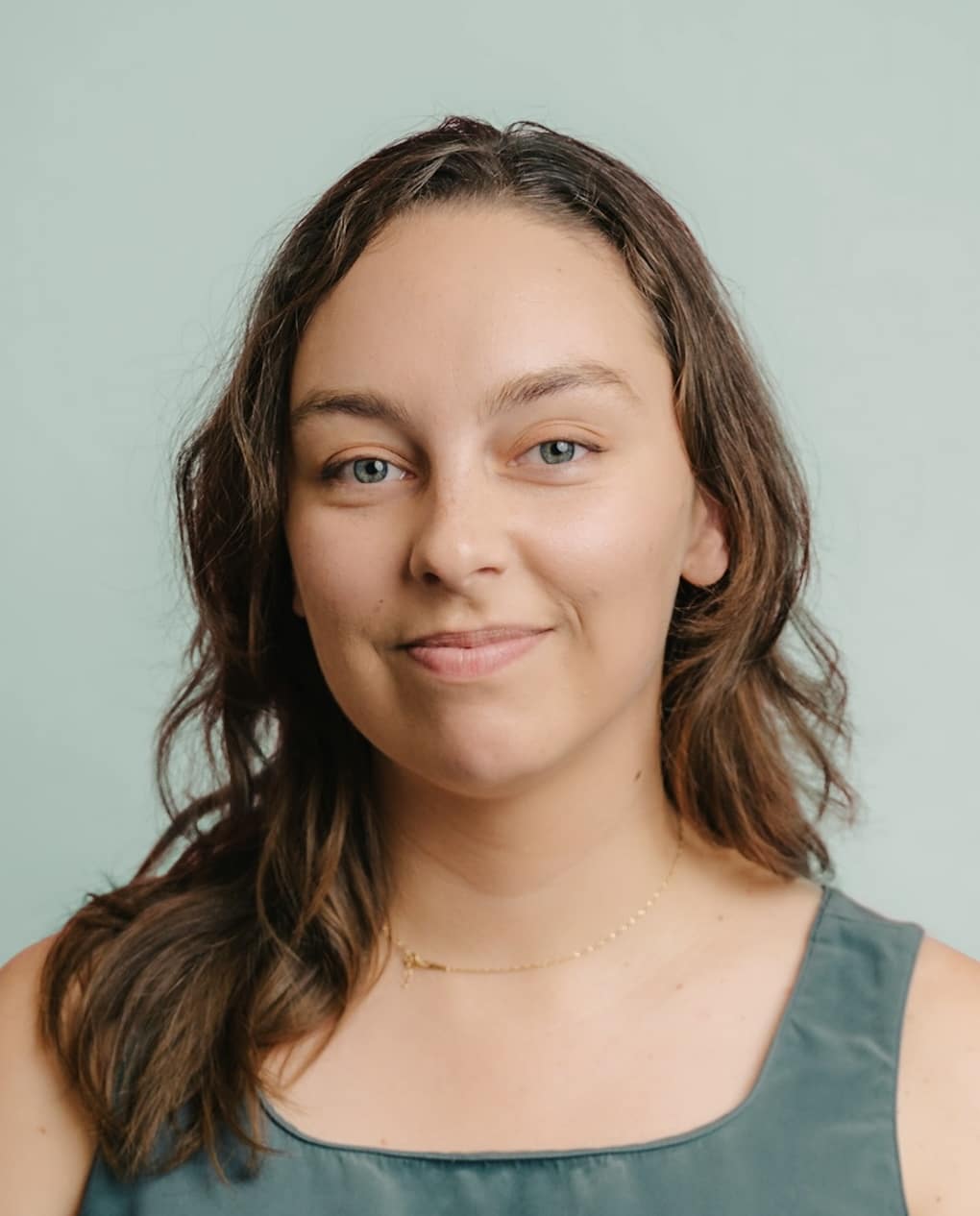
Fiona Bell is an assistant professor of Russian at the University of Utah. Her scholarship situates nineteenth-century Russian literature in transnational histories of race and sexuality. She writes criticism for venues including Asymptote, the Los Angeles Review of Books, and the Rumpus, and serves as a reviews editor at Full Stop. She is currently translating the contemporary Belarusian writer Tatsiana Zamirovskaya and the nineteenth-century Russian writer and editor Avdotya Panaeva. Learn more about her work at fiona-bell.com.
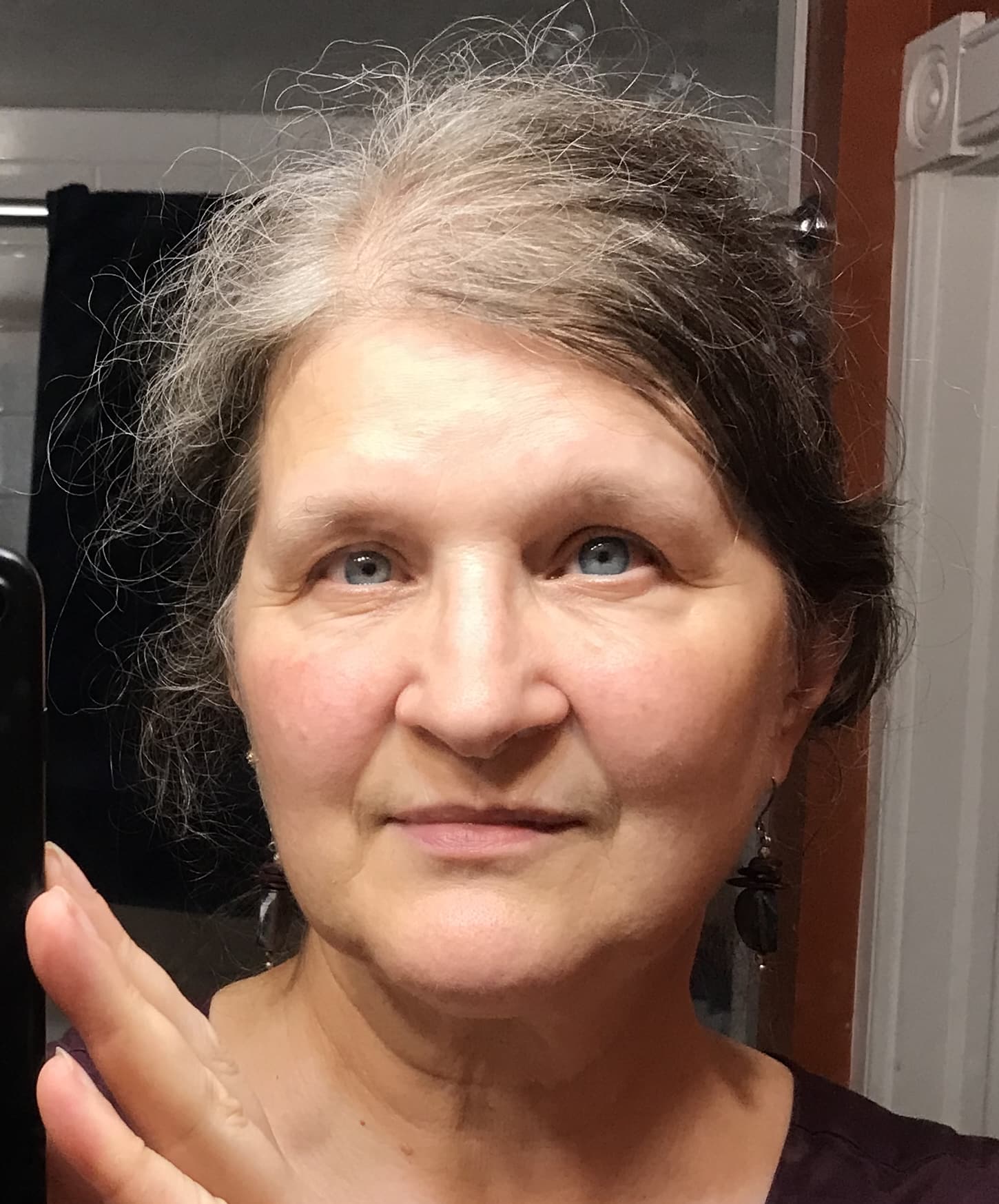
Sibelan Forrester is the Susan W. Lippincott Professor of Modern and Classical Languages and Russian at Swarthmore College in Pennsylvania. She has published translations of fiction, poetry, and scholarly prose from Croatian, Russian, Serbian and (of poetry) Ukrainian.
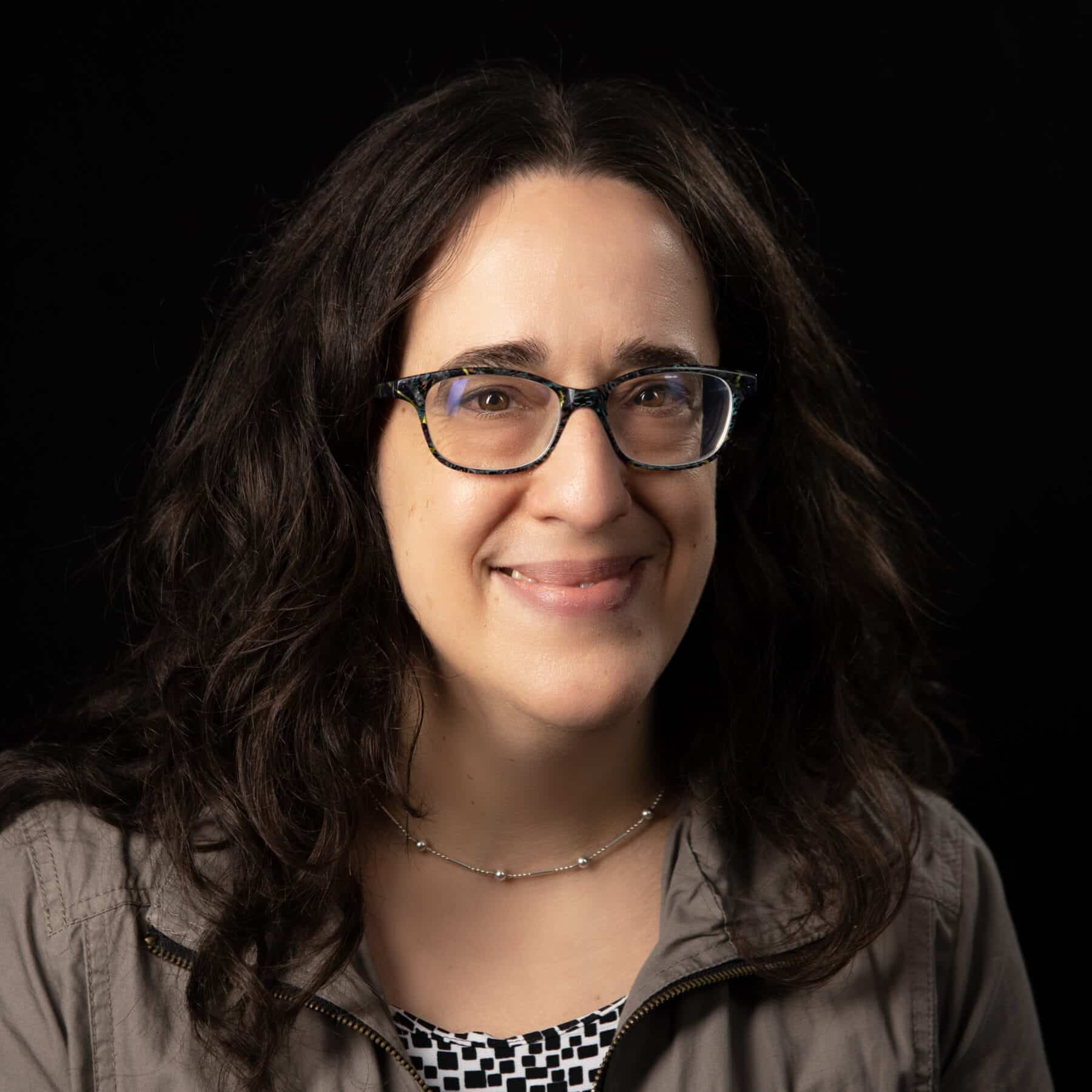
Shelley Fairweather-Vega is a professional translator of Russian and Uzbek in Seattle, Washington, where she runs the Northwest Literary Translators, manages a library consulting business, and serves on the advisory board of the Translation Studies Hub at the University of Washington. Shelley holds degrees in International Relations and Russian, East European and Central Asian Studies. Her translation practice focuses on the contemporary literature of Central Asia. Shelley’s translation of Hamid Ismailov’s We Computers: A Ghazal Novel was a finalist for the 2025 National Book Award for Translated Literature. Read more about her work in progress and publications at fairvega.com/translation.
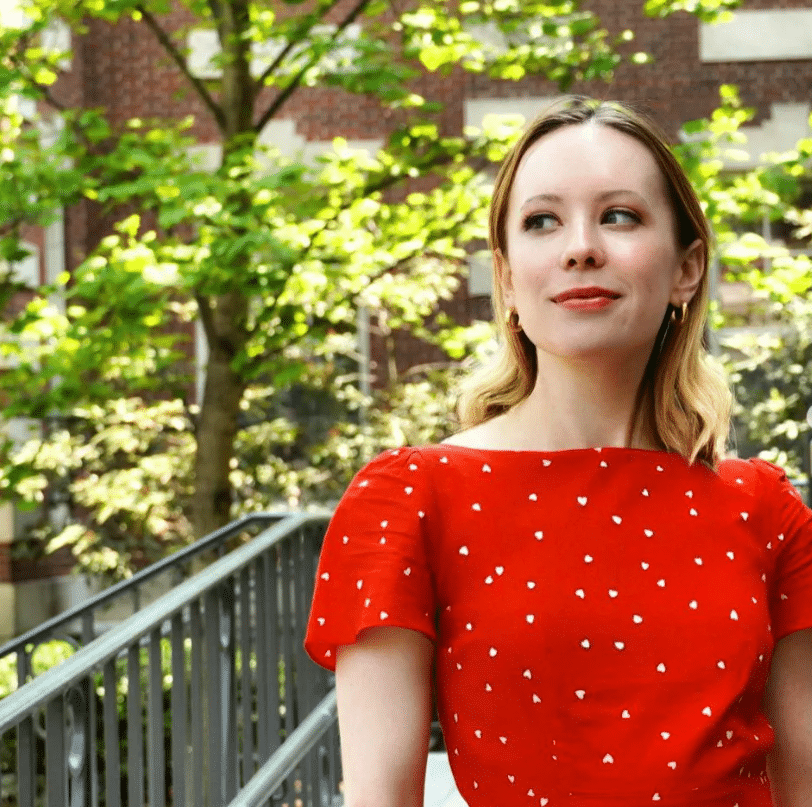
Jess Jensen Mitchell is a translator, writer, and literary scholar. She finished her PhD at Harvard this year; her dissertation centers on representations of the borderland region of Upper Silesia in contemporary Polish literature. Her other academic interests include the role of public intellectuals in interwar Poland, and self-narrations among European diaspora communities in the United States. Her translations and reviews have appeared in Two Lines, Asymptote, Hopscotch Translation, Full Stop, and The Penguin Book of Polish Short Stories, and she inaugurated Paraphrasis, the podcast about translation hosted by the Department of Comparative Literature at Harvard. Her first book-length translation—of Jerzy Pilch’s unabashedly stylish and bawdy novel Spis cudzołożnic— is forthcoming with Open Letter Books. During her upcoming residency at the Polish Book Institute, she will be translating a 1926 novel about hedonism, moral decay, and a world gone to the dogs.
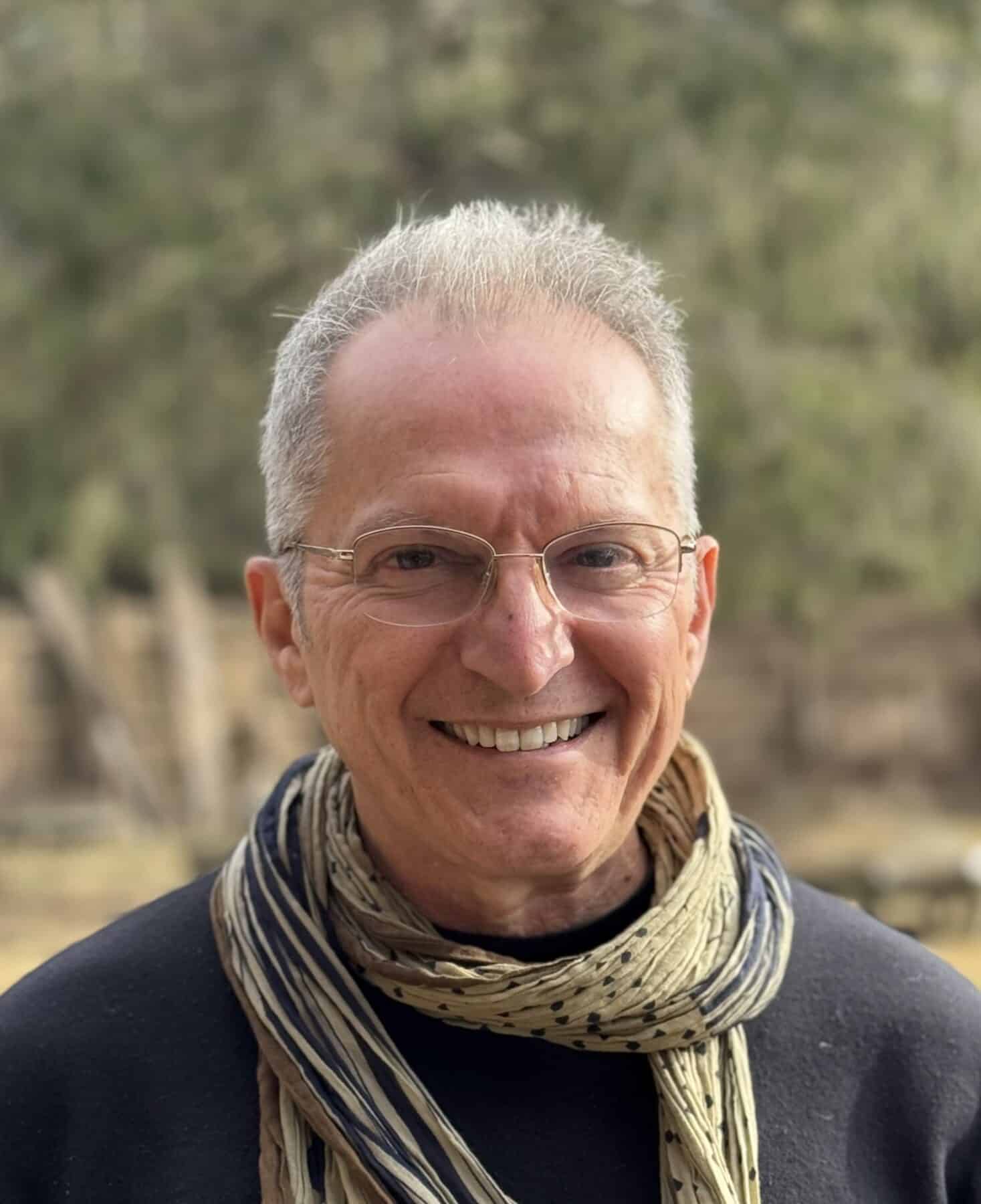
Russell Scott Valentino is a professor in the Department of Slavic and East European Languages and Cultures and the Department of Comparative Literature at Indiana University Bloomington. His work has been published by the NY Times, Reaktion Books, The Harvard Review, Yale University Press, and a dozen other literary magazines and book publishers; and supported by the NEH, the NEA, PEN American, and the U.S. Departments of State and Education. Former Editor-in-Chief at The Iowa Review and former President of the American Literary Translators Association (ALTA), Valentino served on the 2022 jury for the National Book Awards. He is the founder and publisher of Autumn Hill Books and blogs at russellv.com. His translation of Miljenko Jergović’s family saga Kin (Archipelago Books, 2021) received AATSEEL’s 2023 Best Prose Translation award. His translation (with Miriam Shrager and Sibelan Forrester) of Vladimir Propp’s Historical Roots of the Wondertale was published by Indiana University Press in December, 2025.