In 2025, the Society of Historians of East European, Eurasian, and Russian Art and Architecture (SHERA) celebrated its 30th anniversary. The society brings together scholars specializing in the art and architecture of this expansive region from ancient times to the present day. SHERA creates a sense of community for scholars around the world, serving as a vibrant source of information and exchange.
In this and coming issues of NewsNet, SHERA will present interviews with members who are also part of ASEEES to give a sense of our diverse community. This month, we offer an interview with Karla Huebner, a specialist in the Czech avant-garde of the early 20th century and a successful writer of literary fiction.
– Margaret Samu (Parsons School of Design)
Margaret Samu: How did you develop an interest in Czech art?
Karla Huebner: Art has been a big part of my life as long as I can remember—I was one of those kids who drew and painted constantly, and loved going to museums. So it’s not too surprising that I eventually became an art historian. My interest in Czechoslovakia also began early, because at the end of World War II, my father’s unit was sent to western Bohemia, where he became friends with a Czech family and stayed in touch with them. We’d visit every few years, which was something of an adventure during the Communist period, and I grew up considering them as extended family. This personal connection made it natural to take an interest in all things Czechoslovak.
MS: What was it like to pursue that specialty in graduate school? How did you find mentors to support your studies?
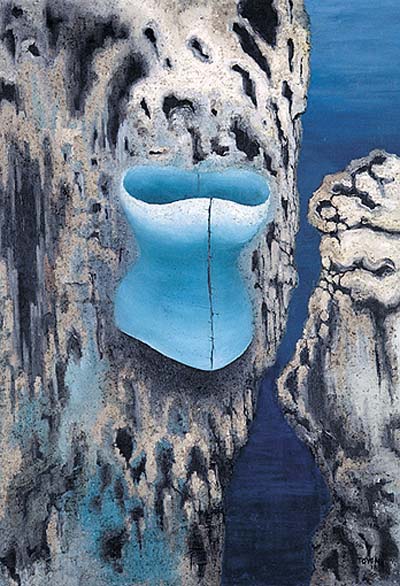
I began graduate school in midlife, so I’d had time to develop many interests and had begun to write about art. For the MA, which I did at American University, specialization was merely a matter of choosing Modern Europe rather than Renaissance or American art. When I decided to go beyond the MA to pursue a PhD at University of Pittsburgh, I could have enjoyed specializing in quite a few different areas of art history, but as my new advisor, Barbara McCloskey—who I met at a graduate art history conference—was a Weimar German specialist, we initially supposed I would work on a Weimar German topic. However, we weren’t coming up with anything that grabbed us—there’d been a lot of recent dissertations on Weimar German art—so she soon asked me if I might be able to write a dissertation on those Czech surrealists that I had discovered via Whitney Chadwick’s groundbreaking Women Artists and the Surrealist Movement. I replied that if Barbara didn’t mind that I’d need to get my Czech into better shape—I hadn’t had an opportunity to use it in at least ten years—I would be delighted to work on Czech surrealism. My dissertation focus became the gender-nonconforming artist Toyen, a founding member of the Prague surrealist group.
Fortunately, as ASEEES members are aware, the University of Pittsburgh has a strong Slavic program and a Center for Russian, East European, & Eurasian Studies. That meant there was general support in terms of area studies and FLAS fellowships. Granted, Pitt offered Slovak language rather than Czech, but as the two languages are quite similar and I had already heard a lot of Czech and taken a year of Czech language as a non-degree student at UC Berkeley, the late Martin Votruba kindly tutored me and allowed me to speak Czech in his Slovak class. It was fun to discover both how Czech and Slovak differ and how they are more or less the same. Another faculty supporter was Helena Goscilo, who was teaching at Pitt at that time. I had taken her co-taught course on Russian art, so she agreed to be on my dissertation committee along with Barbara and two other art historians, the Americanist Kirk Savage and the contemporary specialist Terry Smith. All of my committee members were very supportive of my project.
The fact that I was already accustomed to doing research, and felt fairly confident about the direction to take, eased the way for faculty members unfamiliar with Czech studies to guide me forward.
I was also fortunate in receiving good financial support throughout my graduate studies, including (among others) FLAS, Andrew Mellon Predoctoral, and Fulbright-Hays. As a result, I was able to take Czech summer language courses in Prague, after which I lived in the city for two years while doing archival, library, and museum research. During my stay, the Czech Fulbright office was very helpful and I remain in touch with its staff and with friends made through the Fulbright program. Czech librarians and archivists were also helpful—showing persistence in my research proved key to gaining their support.
Overall, I was one of those peculiar people who thoroughly enjoyed graduate school and felt well supported by faculty, staff, and fellow grad students. As a writer who had done a lot of scholarly research prior to returning to school, for me grad school was a form of paradise—interesting courses, financial support, and the time to dig into my research.
MS: How have your research interests evolved since then?
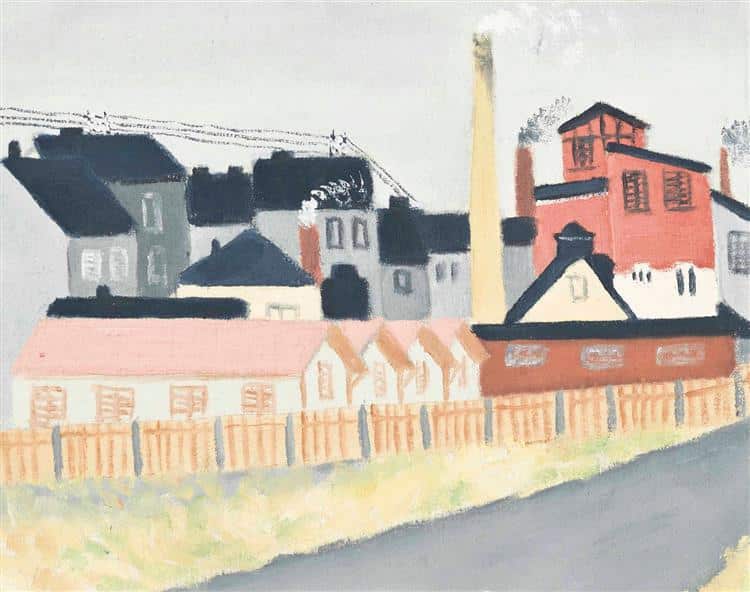
I wish I could say that my research interests have evolved in all sorts of exciting new ways since grad school. However, I pursued my dissertation research in ways that made my work on interwar Czech culture easy to develop further. First of all, after a dissertation (now book) that looked at the artist Toyen as an important member of the interwar Czech avant-garde, I’ve remained interested in interdisciplinary cultural networks. The dissertation also emphasized other aspects of Toyen’s context, in particular delving into the history of women, gender, and sexuality. Furthermore, my extensive use of interwar Czechoslovak periodicals made expansion into periodical studies and visual culture a natural choice.
It was very fortunate that my graduate work provided such a broad basis for future investigations, as once I was hired at Wright State University, I did not have much time to plan new research. It wasn’t hard for me to come up with conference papers, book chapters, and short articles, but I was not in a good position to embark on ambitious new projects. This is a common situation for early-career scholars—in my case, as one of two art historians (and almost immediately the senior one), I initially thought I’d have my course preps in good shape after about three years, but the situation at the university and in my department ultimately necessitated reorganizing the art history program, and there were many years of constantly adjusting my courses to fit what seemed like ever-shifting time slots (first twice weekly on a quarter system, then thrice, twice, and once weekly on semesters). Again, while my exact situation might not have been commonplace, early-career scholars are often beset with unexpected chores and responsibilities that take time from completing books or launching new research projects!
Therefore, for grad students reading this interview, I recommend laying as good a research foundation as possible during the dissertation years, because there is no way to predict what kind of job you will get and whether it (or your personal life) will leave room for a career as an active scholar. You may be hired at a school that has a four-four courseload and requires a great deal of service, or on the other hand your family life may take a difficult turn.
I was lucky in that my departmental colleagues were generally supportive and my students tended to be nice people, but we had only a handful of Art History majors at any time (in fact, the Art History major was scrapped after I retired due to faculty cuts) and Wright State had no Slavic program (Russian language instruction was discontinued about ten years ago along with Italian and Japanese). During my years at Wright State, I mainly taught courses in European and North American art between about 1700 and 1970, and my students were almost all studio art majors. Only occasionally was I in a position to teach a course such as Czech Modernism. In other words, while my students appreciated the exposure to Russian and East Central European art that I included in my European courses, and several of my students were able to present their Czech-focused papers at Midwest Slavic, there was no real opportunity to supervise more advanced work and directly encourage a new generation of scholars to work on East Central Europe. This was disappointing, but not an unusual situation. I’ve been grateful for all that was good about my teaching career!
MS: What role have SHERA and ASEEES played in your career?
SHERA and ASEEES have been a great help in keeping me connected to the wider intellectual world during my years of teaching undergraduates the basics of Western art history. The same is true of the Czechoslovak Studies Association and other scholarly organizations I have belonged to over the years. Being able to attend ASEEES each year has encouraged me to learn more about Russian and Ukrainian art, plus I always venture into the audience for talks on linguistics, anthropology, agriculture, film, music, industry, and history of all sorts—that’s a huge treat! It has also been a joy to see SHERA grow and mature as an organization supporting art and architectural historians whose research involves East Central Europe and/or the geographic regions associated with the Russian Empire and former USSR.
MS: When did you start writing and publishing fiction?
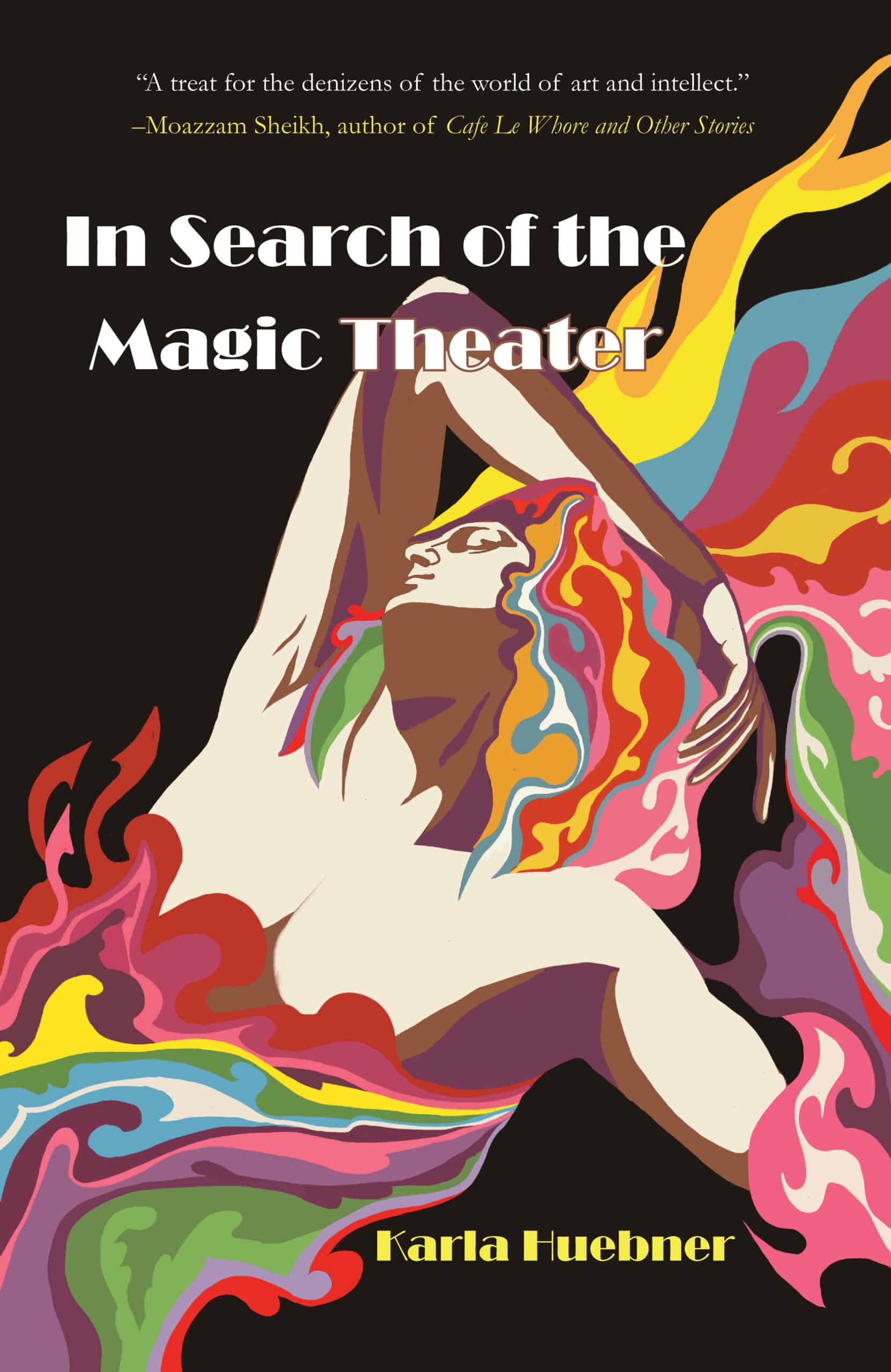
I chose to be a writer when I was eleven, and I have been publishing fiction since 1983, which is to say soon after finishing my BA in Theatre Arts. Early on, I wrote short, mostly magical realist, fiction that appeared in small literary and genre publications; these days I am primarily a novelist. At present I have two novels out under my own name as well as a humorous campus mystery under the pen name Colette Tajemna.
MS: Do you see your literary career as an evolution of your scholarly work, or as a completely new direction?
Fiction is my vocation, it’s just not what has earned me a living. Being a scholar is an engrossing hobby that ended up earning me a living.
MS: What are you working on now?
I’ve got quite a few projects underway. They’re presently on a slight hiatus as I’ve been dealing with my mother’s last illness and settling her estate, but to begin with, there are a couple of scholarly items to mention. First, in August I’ll be giving a talk on the Czech caricaturist Adolf Hoffmeister and his links to surrealism. That will be in Glasgow at the annual conference of the International Society for the Study of Surrealism. Also of interest to ASEEES members, I’ve gradually been working on a giant anthology of Czech modernist writings on art, aesthetics, and visual culture. The pieces I want to include in the anthology have already been translated by others, but are mostly not easy to find, and some of the translations need revision, while everything needs annotation to be useful for a broad academic audience. I’ve proposed this anthology to several presses but have not yet found the right publisher.
Literarily, I have several novels and a story collection currently under submission to publishers. Other novels are underway or in the planning stages. For example, works in progress include a collaborative novel about Fulbrighters in the Czech Republic and also a novel inspired by an ASEEES paper given by Olga Peters Hasty on the pseudonymous Russian poet Cherubina de Gabriak. Life as a scholar, in other words, does at times provide ideas for fiction!
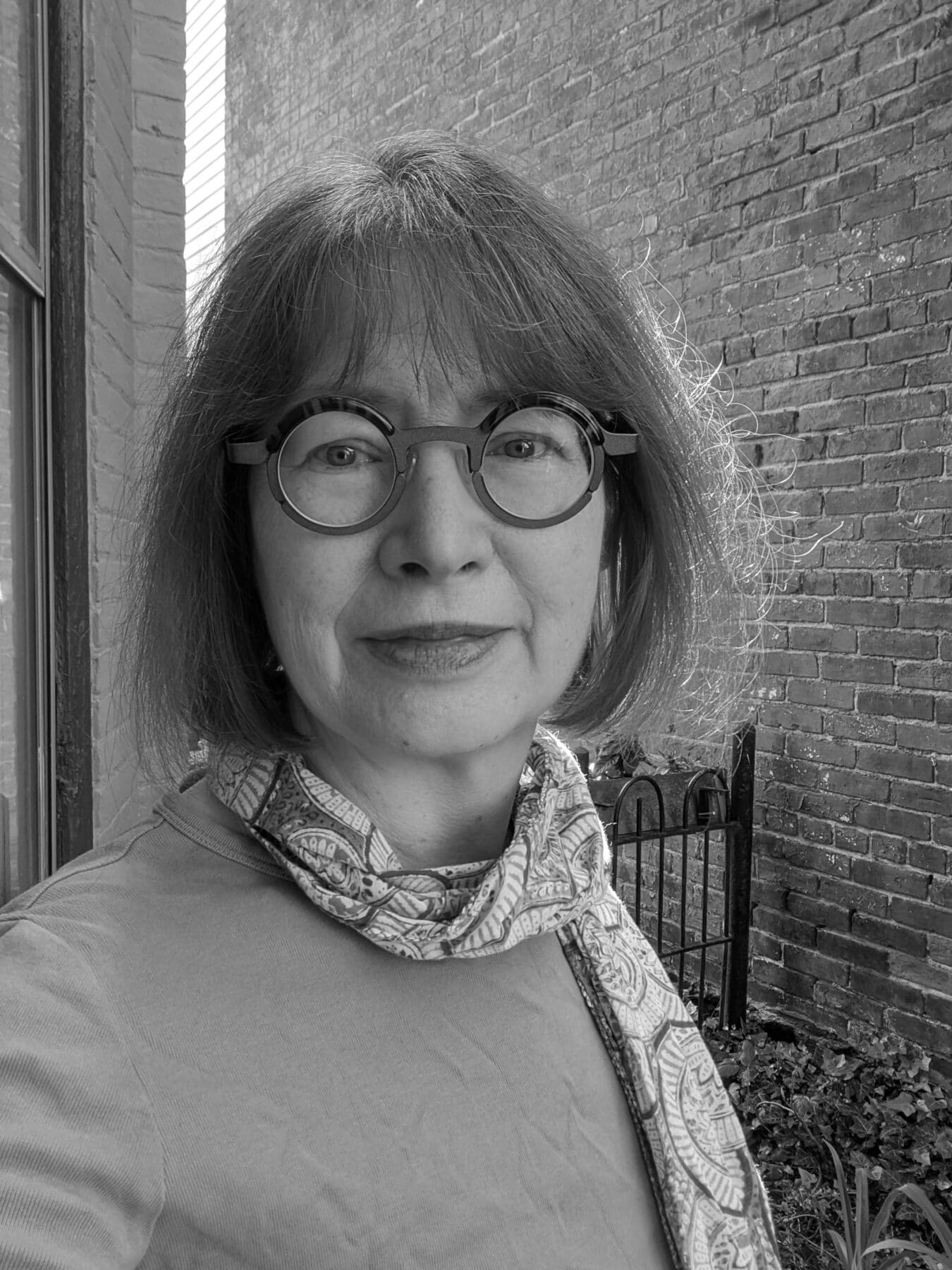
Karla Huebner received her Ph.D. in the History of Art and Architecture from the University of Pittsburgh and her M.A. from American University. She is currently Professor Emerita of Art History at Wright State University in Dayton, Ohio. Her research areas include surrealism, Czech modernism and visual culture 1890-1950, women artists, the history of gender and sexuality, and periodical studies. In 2020 she published a scholarly monograph, Magnetic Woman: Toyen and the Surrealist Erotic (University of Pittsburgh Press). Her work also appears in such journals as Aspasia, Contemporaneity, Journal of Women’s History, and Papers of Surrealism, as well as volumes of collected essays. Karla’s short fiction appears in many literary and genre periodicals, while her novels include In Search of the Magic Theater (Regal House, 2022), Too Early to Know Who’s Winning (Black Rose, 2023), and The Corpse in the Trash Room (Archelaus, 2024, writing as Colette Tajemna). Some of Karla’s talks are on YouTube; she can also be found on Instagram and Facebook.
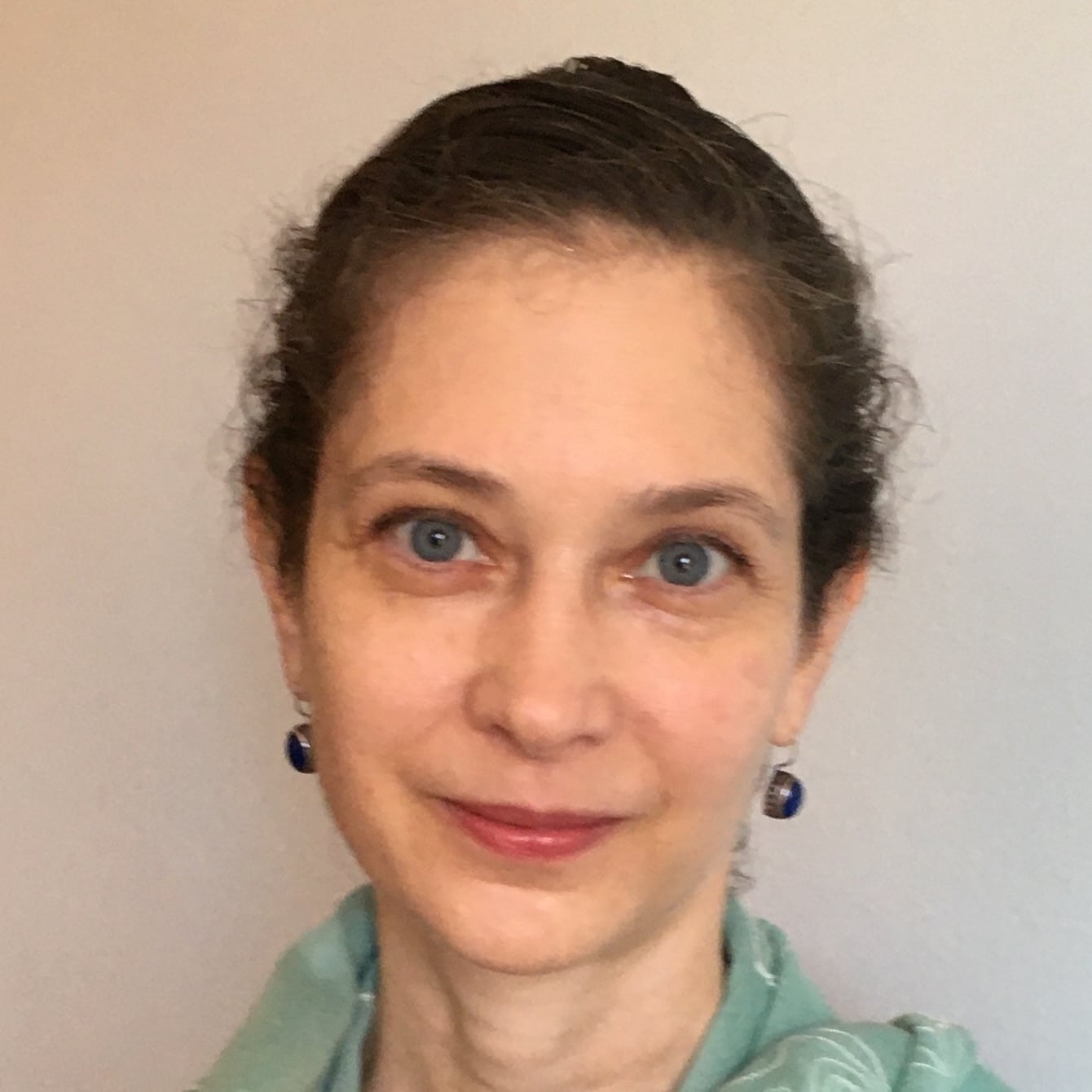
Margaret Samu works on art and design of the Russian Empire in a global context. Her book Russian Venus: The Female Nude in Art and Culture of the Imperial Era, will be published by Yale University Press in 2028. Margaret’s work has appeared in The Art Bulletin, Iskusstvoznanie, Nineteenth-Century Studies, Vivliofika, Experiment, and a volume she co-edited, From Realism to the Silver Age (NIU Press, 2014). She has received grants from the Mellon Foundation, the Fulbright Program, the Library of Congress, and the American Philosophical Society, among other institutions. Margaret served as president of SHERA from 2013 until 2015, and she currently co-organizes the art history section of the 19v Working Group on culture of the Russian Empire in the nineteenth century. Based in New York City, she teaches at Parsons School of Design and lectures at the Metropolitan Museum of Art.