
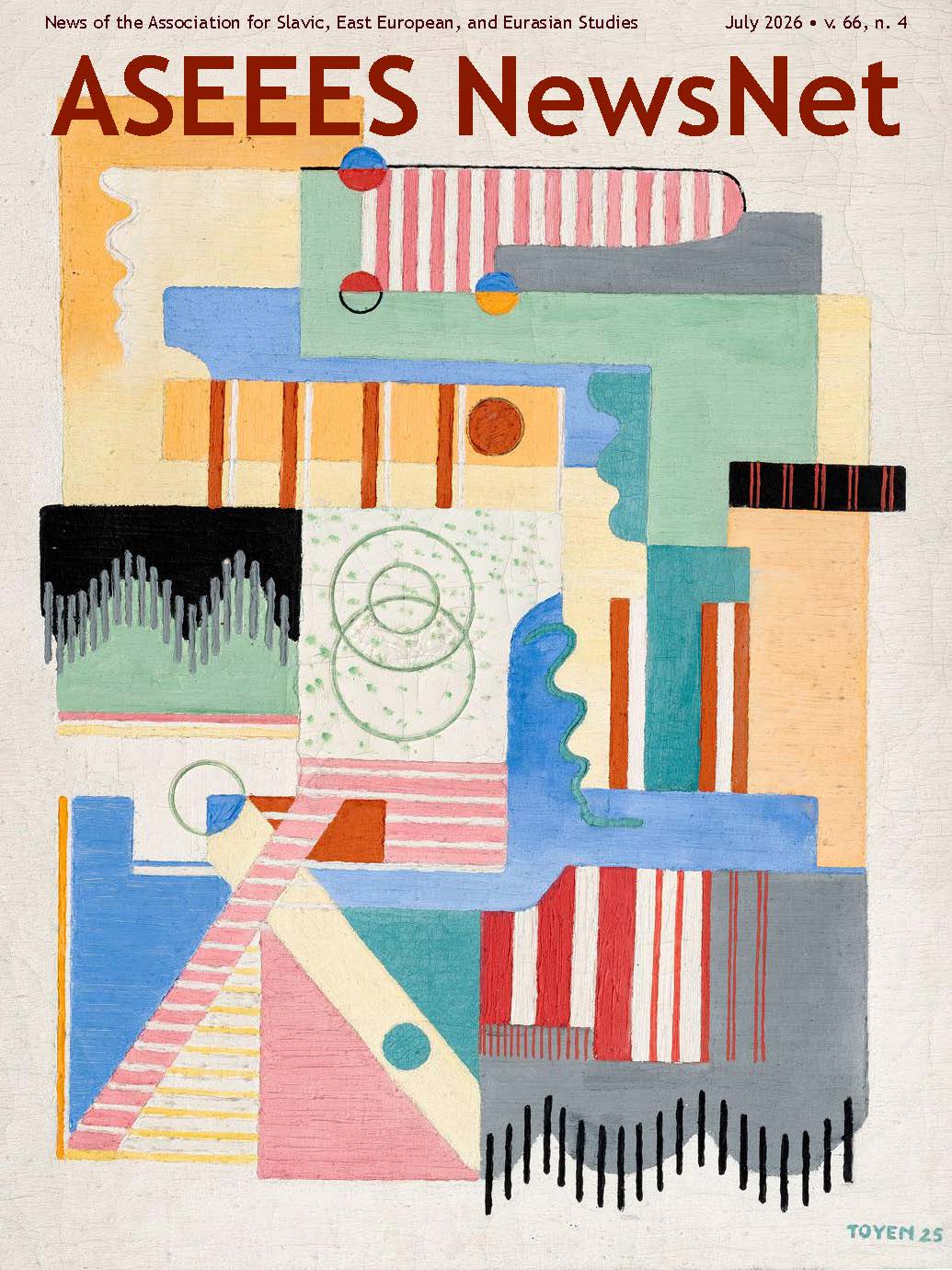
NewsNet
Issues
NewsNet is produced as a bimonthly newsletter online and in PDF format, with member and ASEEES news announcements posted online regularly.
July 2026 Issue
In the July issue, four scholar-translators—Sibelan Forrester, Shelley Fairweather-Vega, Jess Jensen Mitchell, and Russell Scott Valentino—discuss the tensions and rewards of moving between scholarship and literary translation. Zachary Hoffman reflects on leaving the academic job market for secondary school teaching. Margaret Samu interviews Karla Huebner, this issue's SHERA Member Spotlight, about her path to studying the Czech avant-garde alongside her career as a novelist. Nikolas Weyland recaps a Polish Studies Association roundtable on innovative approaches to teaching Polish history.
ASEEES introduces two new initiatives: the ASEEES Cohort Project, a yearlong program for first- and second-year doctoral students, and the ASEEES Syllabus Bank, a new repository of syllabi from across the field. ASEEES also announces the 2026 Distinguished Contributions to Slavic, East European, and Eurasian Studies Award honoree along with the 2026 Dissertation Research Grant and Summer Dissertation Writing Grant Recipients. Read on for information about the 2026 Annual Convention, the candidates in the 2026 Board Elections, a call for ASEEES Committee volunteers—and more!
Articles in This Issue
-

July 15, 2026
Tension and Symbiosis: A Roundtable Interview with Scholar-Translators
Whether a full-time career, a side gig, a research area, or an occasion for gathering, translation has been central to our field.
-

July 15, 2026
“Failing” into Fulfillment: A Journey to and from Academia
"By the time I earned my doctorate, imagining myself professionally as anything other than a professor felt tantamount to failing. The path to professordom seemed difficult, but surely I’d be one of the ones who made it."
-

July 15, 2026
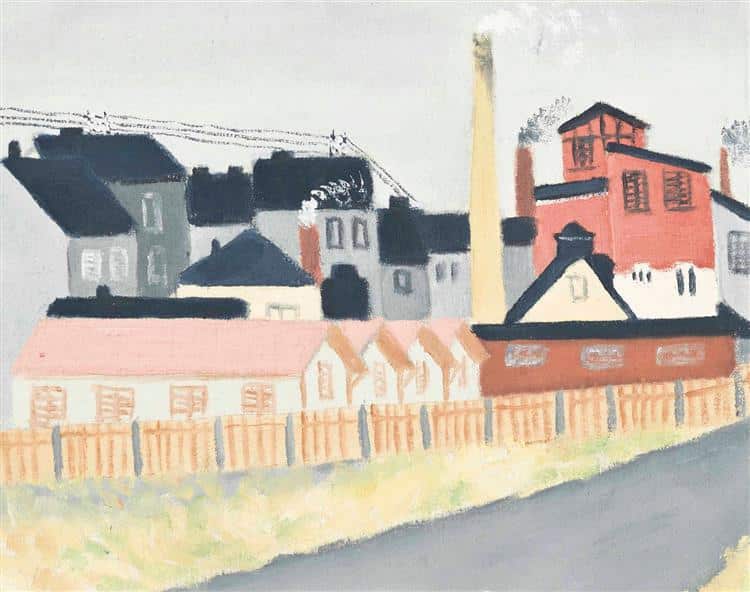
SHERA Member Spotlight: Karla Huebner
"SHERA and ASEEES have been a great help in keeping me connected to the wider intellectual world during my years of teaching undergraduates the basics of Western art history."
-

July 15, 2026
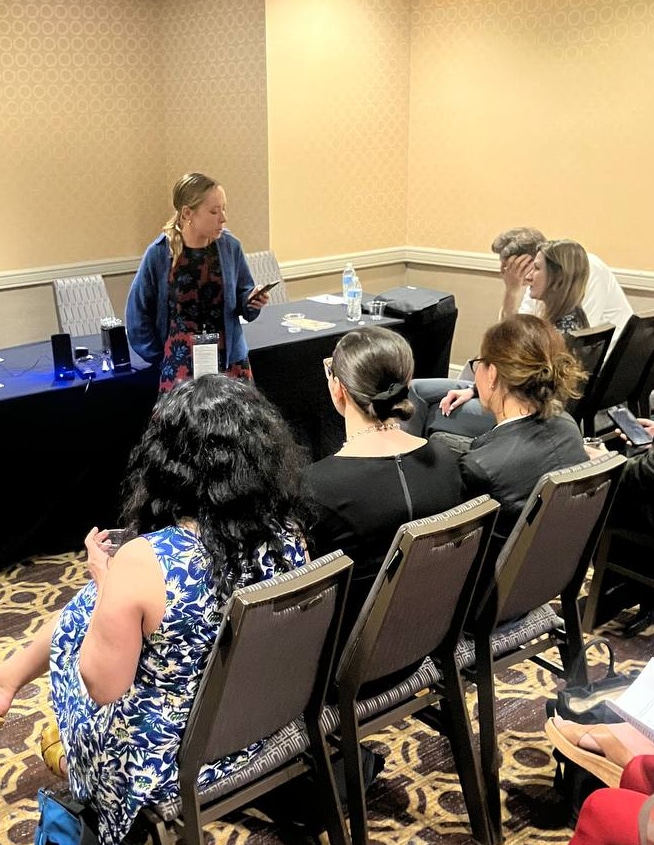
From the Margins to the Center: Innovative Pedagogical Approaches in Polish Studies
Teaching roundtables can play a crucial role in stimulating dialogue about shifting scholarly frameworks of analysis, the absorption of newer academic literature into various disciplinary fields, and the structuring of productive intellectual debate.
Additional Highlights from This Issue
2026 ASEEES Annual Convention
2026 ASEEES Board Elections
2026 ASEEES Distinguished Contributions to Slavic, East European, and Eurasian Studies Award Honoree
2026 Dissertation Research Grant and Summer Dissertation Writing Grant Recipients
Call for Applications: ASEEES Cohort Project
Call for Submissions: ASEEES Syllabus Bank
Call for Volunteers: ASEEES Committees
Member News

INTERESTED IN SUBMITTING AN ARTICLE TO NEWSNET?
We heartily encourage members — including graduate students — who are interested in proposing a NewsNet cover article to contact us. Click for full details on submitting an article.
submit an ad TO NEWSNET
For more information and pricing for ads within NewsNet, both online and in our PDF, please click below.