This interview is the THIRD in a series which Sarah Wilson Sokhey conducted with emerging scholars in SEEES whose work focuses on Ukraine.
The full-scale invasion of Ukraine renewed interest in studying the country. This series highlights the perspectives and work of 3 junior scholars whose research reflects current trends in the study of Ukraine and points us to a future path for studying a country showing remarkable resilience and facing decades of reconstruction. Each of these scholars has a unique and important perspective on studying Ukraine today including the challenges and opportunities. They offer practical suggestions to the ASEEES community for how we should do so. – Sarah Wilson Sokhey
Why does the study of Ukraine remain important? What do you consider some of the most important questions about Ukraine that scholars today need to address?
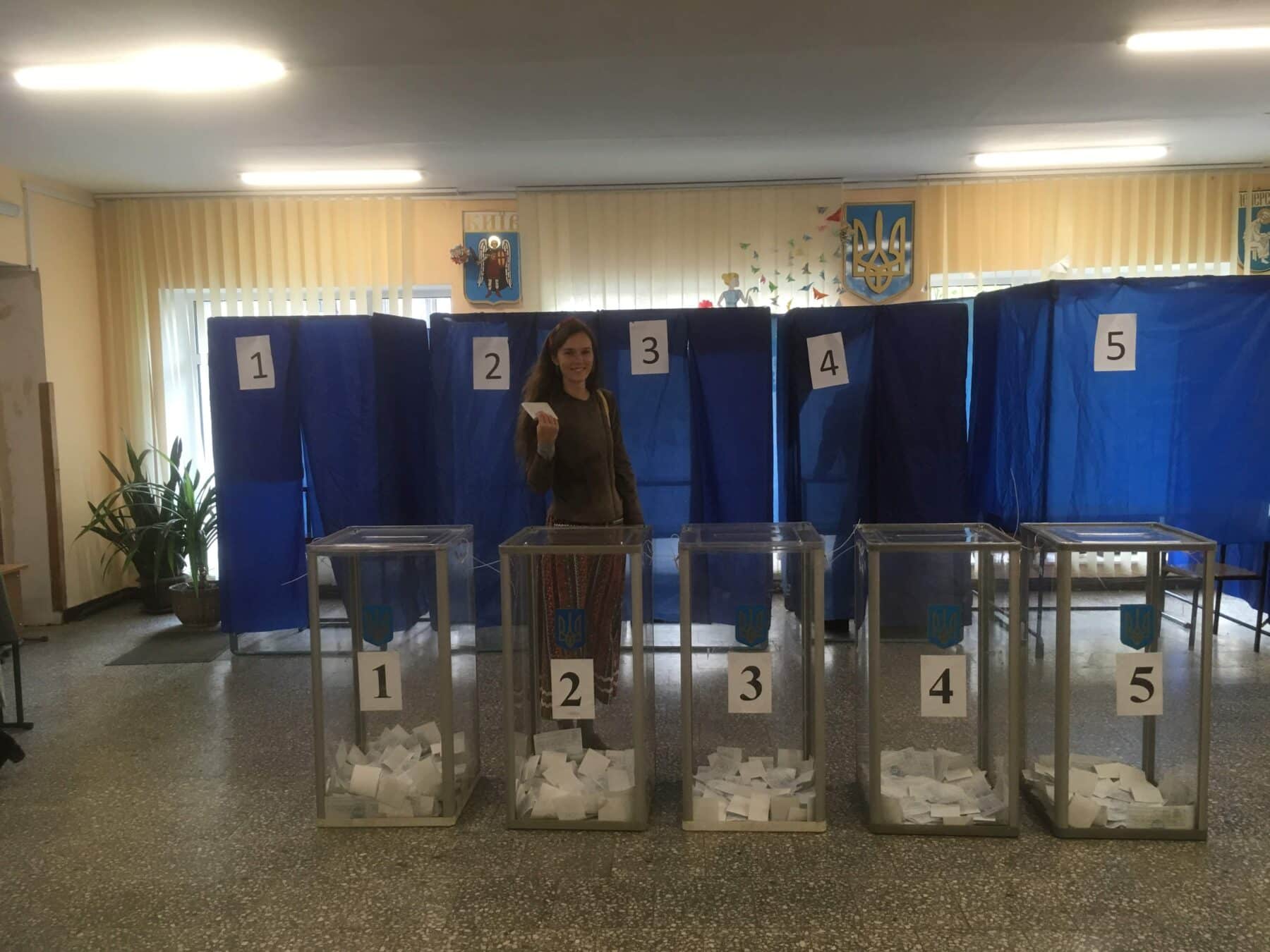
In 2025, the Russian invasion of Ukraine remains the key geopolitical consideration for the entire democratic world. The unprecedented case of Ukrainian resilience and endurance is fascinating not only from the perspective of its historical uniqueness but also as a puzzling empirical phenomenon worth investigating within a wide range of disciplines. Why is Ukraine still standing strong? What is the role of relatively young democratic institutions in this process? How is civil society contributing to Ukraine’s resistance against foreign aggression? What explains the government’s and society’s willingness to persevere long-term? All these questions are existential, just like Ukraine’s fight for its independence. On top of the most foundational debates, scholars of Ukraine are actively working on answering many questions about Ukraine’s demographics, economic development, pro-democratic reforms, and geopolitical aspirations. This research is building a rich body of literature that has already established Ukraine as a noteworthy case in Political Science.
Would you tell us more about the research you are doing on Ukraine? What are the implications of your work for how we understand Ukrainian politics, and political dynamics in general?
In my research on the electoral effects of institutional reforms in Ukraine, I investigate the effect of fiscal decentralization on redistribution policy and subsequent electoral outcomes. I argue that once self-governed communities gain control over local budgetary revenues and expenditures, redistribution and welfare will improve, and voters will be mobilized to participate in local elections. The study demonstrates that decentralization reforms in Ukraine (implemented in 2015-2020) allowed local councils and mayors to determine the level of spending on public goods provision across multiple sectors, including administrative, law enforcement, business support, environmental protection, infrastructure, education, and welfare sectors. Difference-in-differences analysis shows that decentralization was associated with increased expenditures on welfare and public goods provision. Decentralization also increased turnout and decreased the percentage of successful candidates with higher education and party affiliation. The findings suggest that the electoral pressure of decentralized democratic institutions prompts local authorities to engage in redistributive practices and introduce long-needed changes in the management of local budgetary funds. This study makes three contributions. First, it offers a theoretical framework to think about the political effects of decentralization reform. Second, it provides empirical evidence that decentralization affects political behavior. Third, the study elucidates the democratization effects of decentralization in Ukraine, just as was predicted by the majority of the Western reform proponents. The latter suggests that certain elements of democracy can and should be exported.
What does the public and the academic community commonly misunderstand or get wrong about Ukraine today?
Ukraine is a country with rapidly changing democratic institutions. The speed of Ukraine’s democratization, especially under the conditions of an ongoing war, might cause suspicion among some experts. The latter concern is understandable, given the existing pro-Ukrainian bias in the mass media and public opinion. Nevertheless, Ukraine’s success in pro-democratic changes can be easily measured and must be acknowledged. Researchers and analysts who are contributing to the most authoritative democracy indexes are doing an excellent job justifying the rapid positive changes in Ukraine’s democracy scores. These changes should not be disregarded as wishful thinking. They reflect the hard work of the Ukrainian society and government.
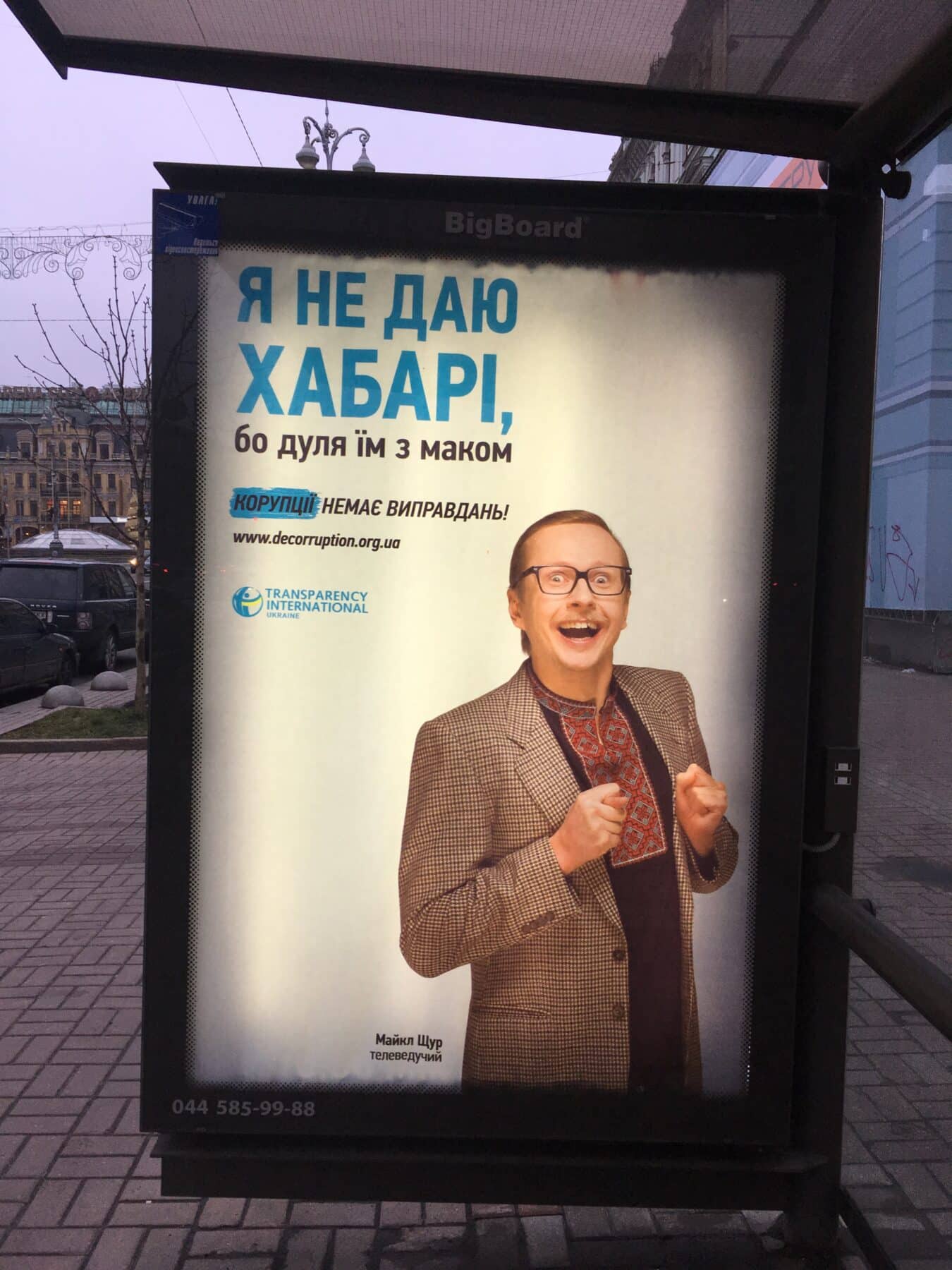
At the same time, democracy indexes are sensitive to political discourse. As a result, certain phenomena, such as corruption, freedom of expression, electoral processes (or lack thereof under martial law), and personal autonomy receive unequal coverage when compared before and after the beginning of the full-scale invasion. For example, some democracy indexes might make Ukraine’s corruption seem to be worse than it used to be under the authoritarian rule of Viktor Yanukovych. While such reports do an important job of drawing attention to a crucial area for improvement, they misrepresent the long-term dynamics and discourage those actively involved in the reform process. This inconsistency in salience (and, hence, reporting) must be noted and discussed.
What is the most challenging part of doing research on Ukraine today?
Undoubtedly, the most challenging part of research on Ukraine is fieldwork. Collecting data in Ukraine calls for obvious safety considerations and not-so-obvious institutional limitations, especially for those working in academia. Nevertheless, many prominent researchers have already demonstrated that working in Ukraine is possible, even if it requires involvement of the local research assistants.
A problem without an obvious solution is the unavailability of the already collected and previously open data due to war-related security considerations. Many valuable databases on legislative performance, bureaucratic control, fiscal responsibility, and budgetary transparency are currently closed to the public. Solutions include using the data collected for previous projects, looking for alternative sources, or collecting new data from scratch. These alternatives considerably increase the time and complexity of the data collection effort.
For those wishing to incorporate Ukraine into more of their research and teaching, are there particular books, articles, blogs, news sources, or datasets you would recommend that are particularly useful?
Books
Plokhy, Serhii. The Russo-Ukrainian War: The Return of History. WW Norton & Company, 2023.
Harding, Luke. The Inside Story of Russia’s Bloody War and Ukraine’s Fight for Survival. Faber & Faber, 2022.
Applebaum, Anne. Red Famine: Stalin’s War on Ukraine. Signal, 2017.
Hrytsak, Yaroslav. Ukraine: The Forging of a Nation. Hachette UK, 2023.
Articles
Von Hagen, Mark. “Does Ukraine have a History?” Slavic Review 54.3 (1995): 658-673.
Hale, Henry E. “The Double-edged Sword of Ethnofederalism: Ukraine and the USSR in
Comparative Perspective.” Comparative Politics 40.3 (2008): 293-312.
Kuzio, Taras. “Ukraine: Coming to terms with the Soviet Legacy.” The Journal of Communist
Studies and Transition Politics 14.4 (1998): 1-27.
Barrington, Lowell. “Is the Regional Divide in Ukraine an Identity Divide?” Eurasian
Geography and Economics 63.4 (2022): 465-490.
Kulyk, Volodymyr. “Language Identity, Linguistic Diversity and Political Cleavages:
Evidence from Ukraine.” Nations and Nationalism 17.3 (2011): 627-648.
Blogs
Datasets
Kyiv School of Economics GitHub page

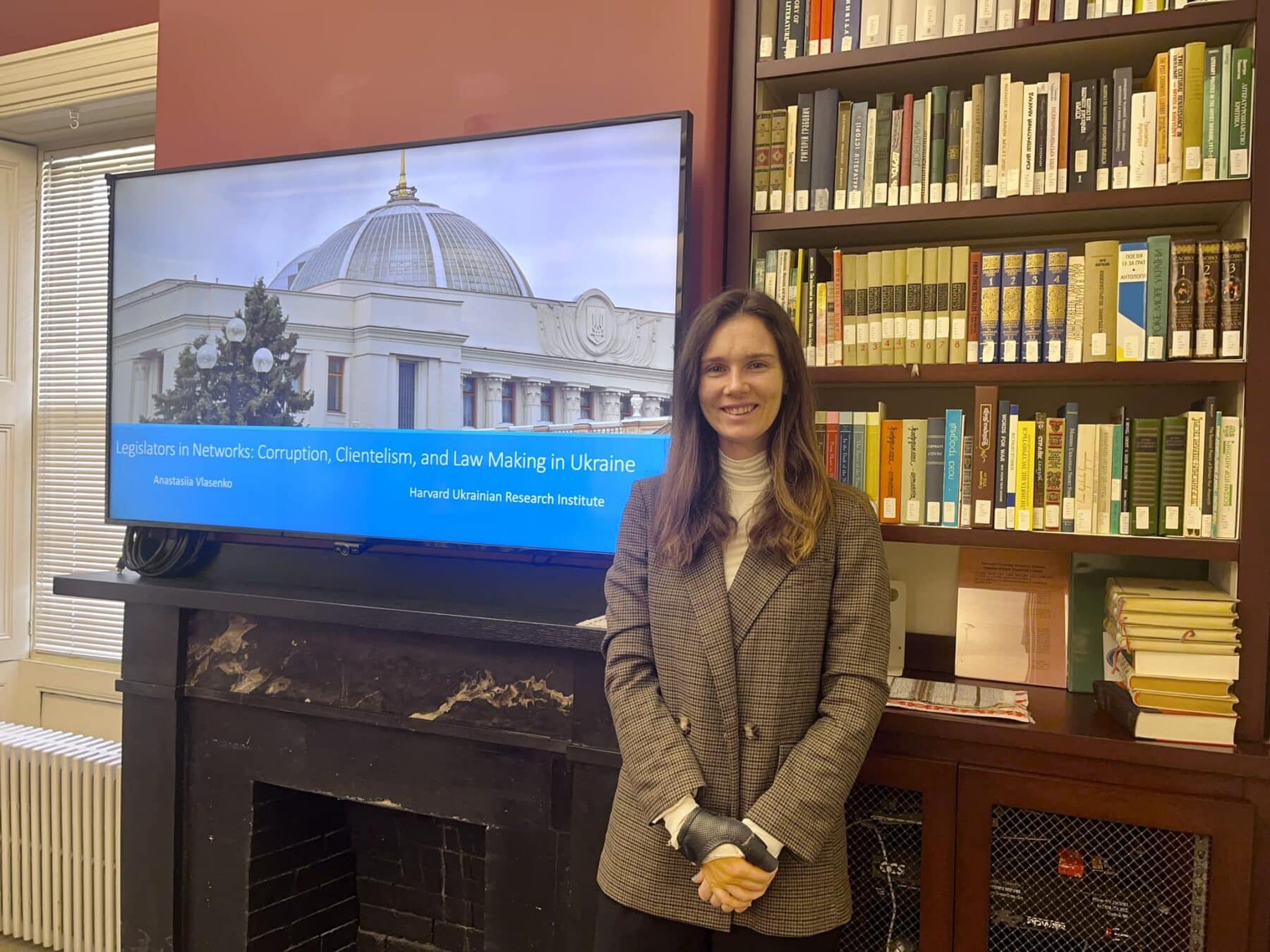
Anastasiia Vlasenko is a Postdoctoral Research Scholar at the Harriman Institute at Columbia University. She is also a recent HURI Research Fellow at Harvard’s Ukrainian Research Institute and a recent Postdoctoral Fellow at the NYU Jordan Center for the Advanced Study of Russia. Vlasenko is particularly interested in the study of corruption, legislative politics, transitional period reforms, propaganda, electoral politics, and forecasting. Her research has been published in the Journal of Politics and PS: Political Science & Politics. Vlasenko received her Ph.D. from the Department of Political Science at Florida State University in 2022. In 2020-2021, she worked at the Hertie School in Berlin as a visiting researcher. At Florida State University, New York University, and Columbia University, Vlasenko taught courses on Ukrainian government and politics, comparative politics, public policy, quantitative methods, and post-Soviet studies.

Sarah Wilson Sokhey is an Associate Professor in the Department of Political Science at the University of Colorado Boulder, the founding director of Studio Lab for Undergrads, and a Faculty Associate at the Institute of Behavioral Science. Her research focuses on the interplay between politics and economics. Her book, The Political Economy of Pension Policy Reversal in Post-Communist Countries (Cambridge University Press, 2017) examines backtracking on social security reforms in the wake of the 2009 financial crisis and won the Ed A. Hewett Book Prize for outstanding publication on the political economy of Russia, Eurasia and/or Eastern Europe from ASEEES. Her current research focuses on the provision of public goods at the local level in Ukraine.