At the 2025 ASEEES Convention, three female historians discussed stories from their own family archives and artifacts. All three stories involved women who served as custodians of memory for their families: a grandmother, a mother, an aunt.
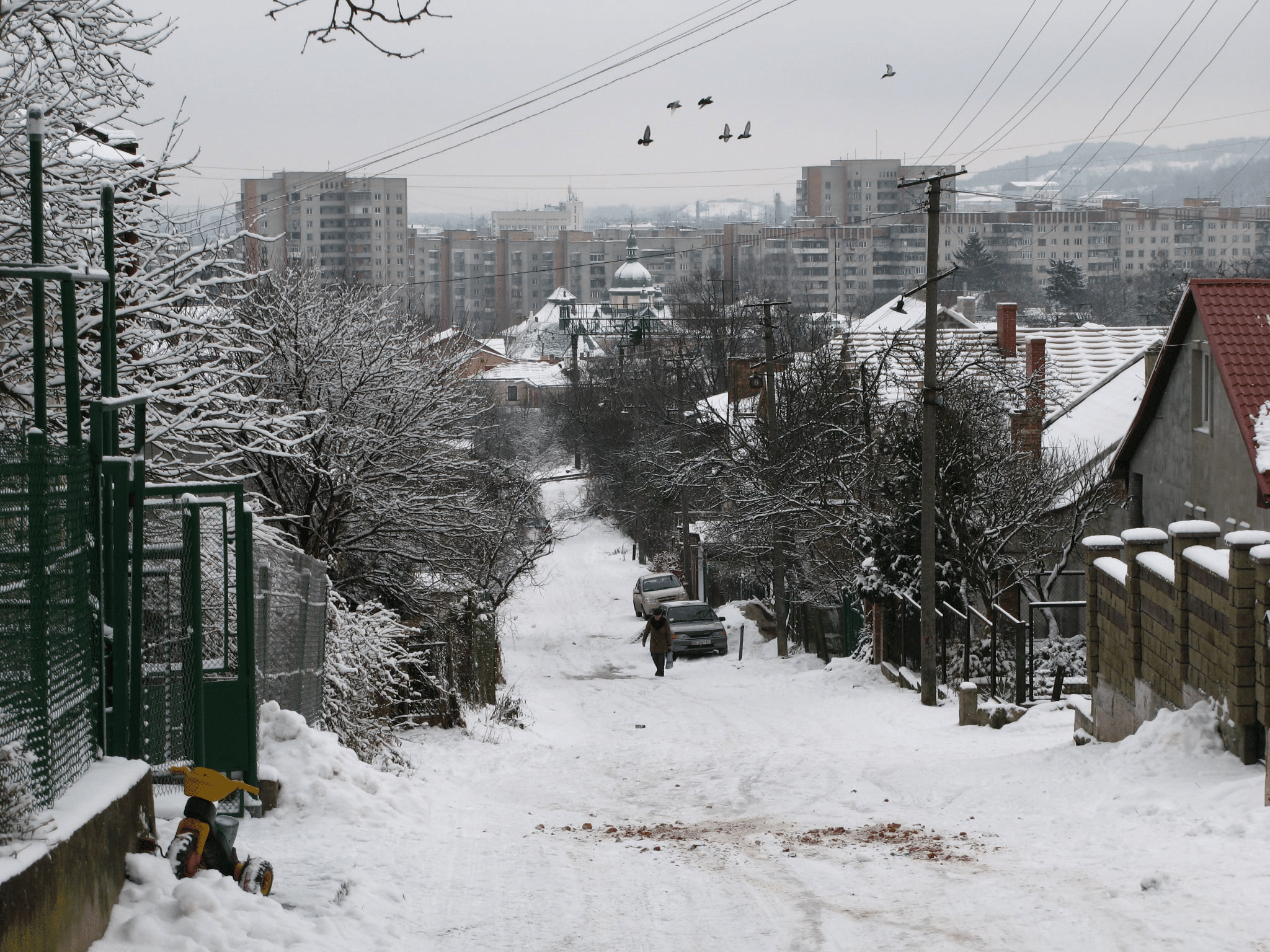
Eleonora Narvselius (Lund University) told a story centered on the “Polish” house in Lviv. She described a postwar community on Kupchynskoho Street (Druzhiv Street in Soviet times and Druhów during the Polish period), a secluded peripheral street in Lviv composed of a peculiar mixture of people of different nationalities, professions, and levels of social status and prosperity, many of whom still remembered that “other,” non-Soviet Lviv. She explained how echoes of an incomprehensible past broke through the layers of routinized late Soviet life. While there was dead silence about the killings of Jews in the nearby area where the ghetto used to be, the stories about the former Polish dwellers were surrounded by an aura of exoticism and poignant melodrama. The author’s grandmother was personally acquainted with the Polish owners of her house, who had left Lviv after the war. However, stories about why she, a young girl from the Belarusian countryside, came to Lviv and how she came into possession of a “Polish” house were told by the family and neighbors in many configurations and in many contradictory versions. As skillful storytellers, they did not speak plainly about dangerous, morally dubious, or frightening matters, but their comments left enough triggers for deciphering the past.
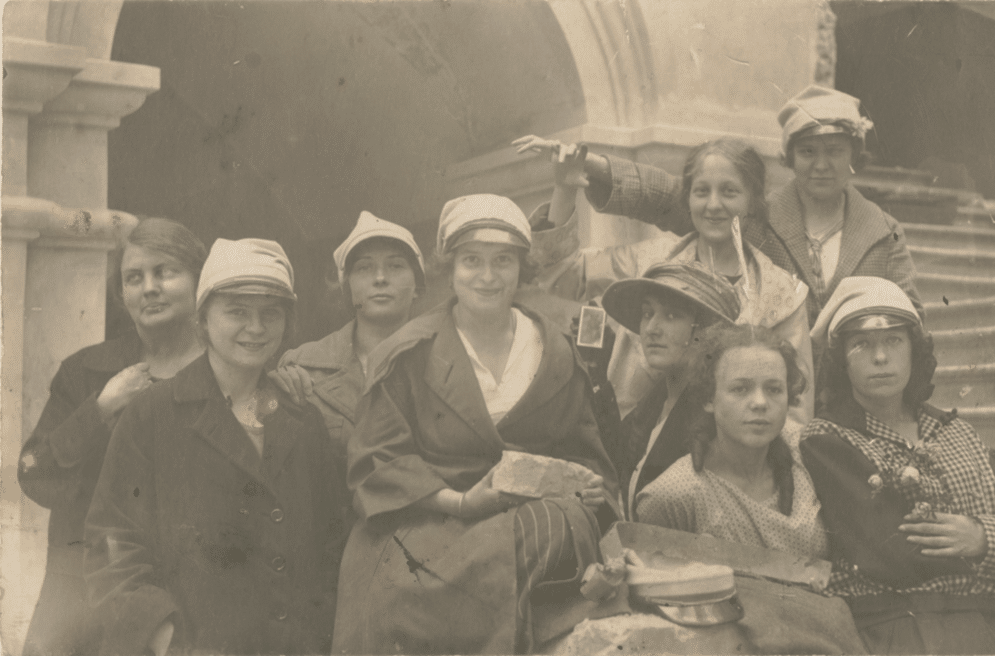
Magdalena Nowak (University of Gdańsk) used her mother’s account to tell the story of the Babicka sisters. Wanda was the parliamentary secretary of Wincenty Witos and an eager supporter of the Polish People’s Party “Piast.” She survived World War II and preserved her story through the Warsaw Uprising and Communism. The second sister, Maria, served as a nurse during the Polish-Bolshevik War in the famous armored train “Śmiały.” After the war, she received the Nightingale Medal. During World War II, she worked as a nurse in the Home Army and was murdered during the Warsaw Uprising.
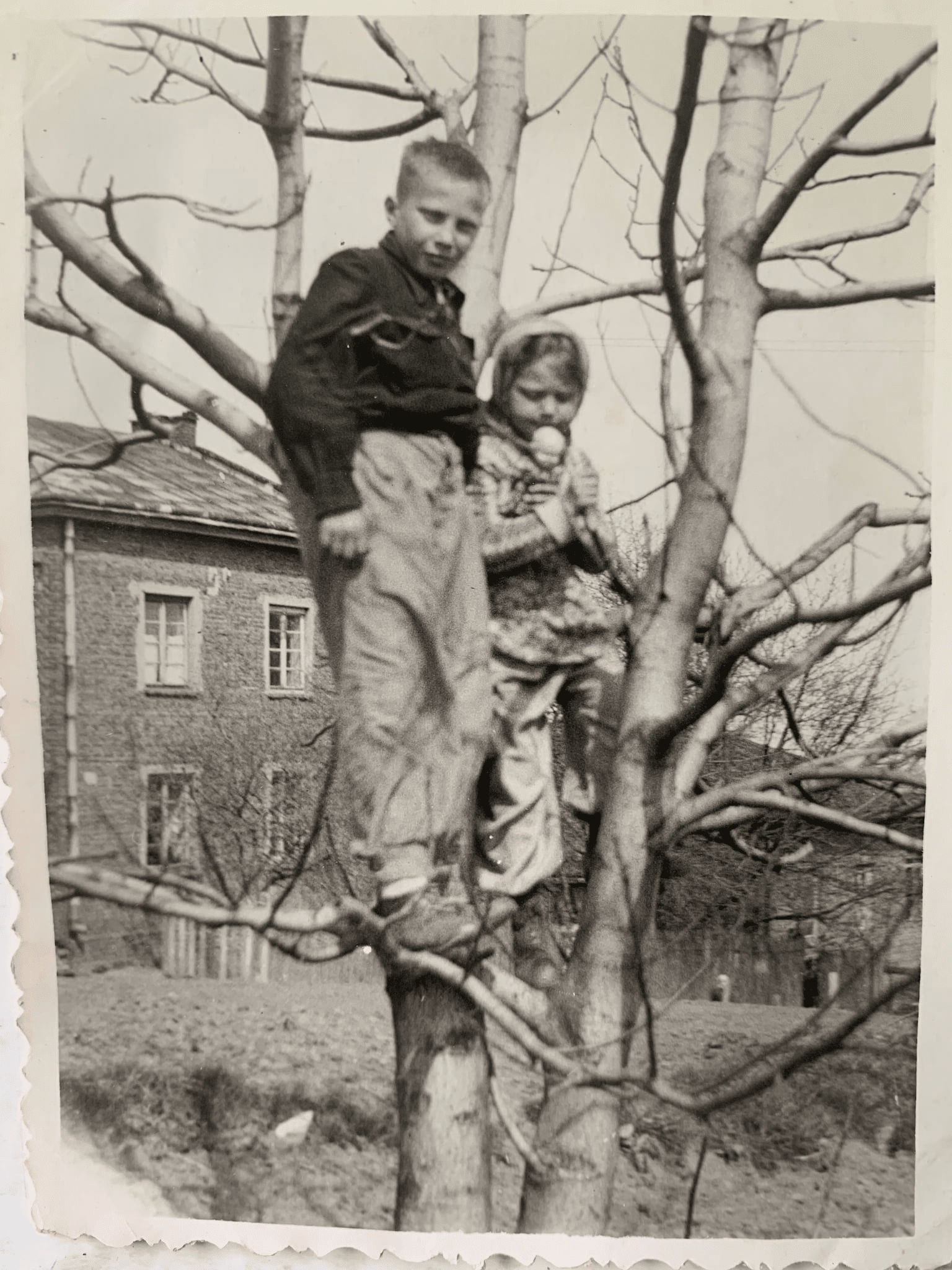
Iwona Flis (University of Gdańsk) reconstructed a chain of unpredictable events during a refugee trek across Europe on the basis of a memoir by a mother and her nine-year-old son. In December 1939, Bogumiła Rawicz-Szczerbo, who shared the experience of the 80,000 refugees in Przemyśl, took her son and, one night, wading through the cold water of the San River, crossed the German-Soviet border. They returned to Krakow, where, with the help of Polish intelligence, they obtained visas to travel to Rome. From Rome, they made their way to France and settled among the many Polish exiles, only to discover soon afterward that the war had caught up with them. Traveling under false identities aboard an old British coal vessel, they finally arrived in Liverpool amid German air raids.
Taken together, the accounts shared by Narvselius, Nowak, and Flis form a coherent entry point for discussing how personal accounts, mediated by women and chance preservation, expose dimensions of twentieth-century history that remain fragmentary in official records.
Anna Mazurkiewicz (University of Gdańsk) sat down with the authors to discuss some of the role of individual and unofficial memories in Eastern and Central European scholarship.
Anna Mazurkiewicz: Why have so many of these stories remained hidden for so long?
Magdalena Nowak: For a long time, these memories were not considered as important as archival records, which created a significant informational gap between official and unofficial sources regarding the war and communist periods. In Eastern and Central Europe, characterized by ethnic diversity, political instability, and successive Nazi and Soviet occupations, family stories were often kept secret out of fear of the authorities. Silence often became a survival strategy.
Eleonora Narvselius: Exactly. In these societies, silence functioned as an instrument of power and deception and as a mechanism of psychological defense. People developed “practical pasts,” where survival meant navigating grey zones and knowing when to keep one’s mouth shut and one’s eyes wide open. These silences are often markers of no-go zones of wounded dignity, trauma, vulnerability, and experienced inhumanity.
AM: As I recall from our discussions during the conference, these silences sometimes also reflect fears related to restitution of prewar property rights. Across Eastern and Central Europe, we see cases of seized Jewish property…
MN: Indeed. One other example is the former German estates seized by the communist authorities after World War II. Poles displaced from territories annexed by the USSR were often resettled in these “German” houses, a situation that generated long-term anxieties…
Iwona Flis: What I’ve found is that many of these forgotten stories about the Holocaust, Soviet deportations, and anti-communist resistance are literally tucked away in creaking drawers or dusty attics. In Poland, they remained undisclosed beyond the immediate family due to fear of repercussions. We are at a critical juncture because the last protagonists of these accounts are passing away, making this the final opportunity to record them.
AM: Reconstructing these histories requires moving beyond traditional archives to embrace fragmented and often biased sources. How did you piece your stories together?
EN: It involved looking at the spatial scapes of daily life. For instance, in Lviv, I looked at stories told by residents of old houses and apartments about those who lived there before them—the populations that “disappeared” after the war. Sometimes, physical evidence emerged from the ground. While digging gardens, people found prewar coins, buttons, tin cans, shell casings, or even terrifying finds such as a human skull. These fragments are echoes of an incomprehensible past, one not taught at school.
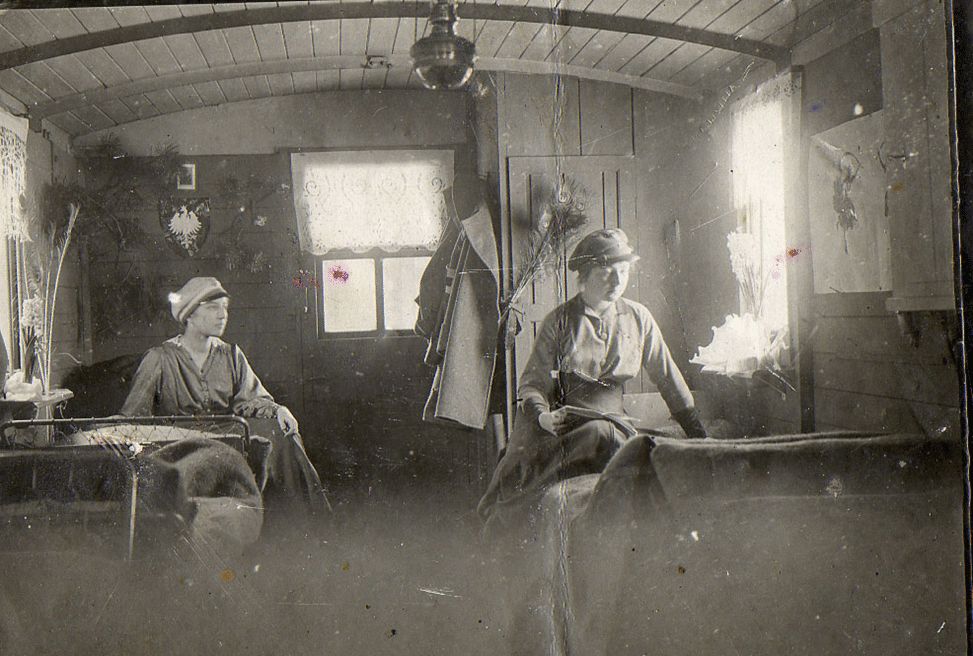
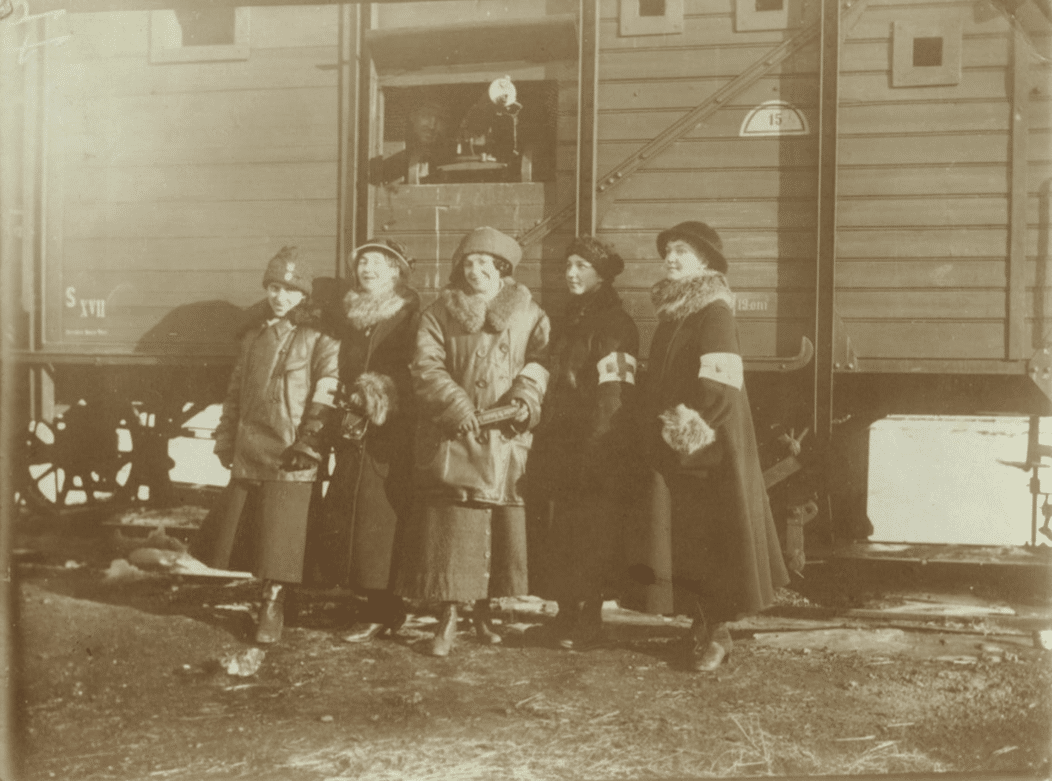
MN: I relied on family archives that include photo collections and artifacts. In my family, we have a three-volume private booklet written by my mother, Martha Grabowska-Brunne, which preserves the struggles of the first generation of working women from the Warsaw intelligentsia. Artifacts such as old objects from pre-partition times help illustrate family status and how domestic space was organized.
IF: In my case, it was also about finding detailed personal accounts, such as that of Bogumiła Rawicz-Szczerbo. Her story of escaping Poland shows the reality faced by women and children lost in the machinery of war and swept up by forces beyond their control. While these narratives may be biased or blurred by time, they remain authentic testimonies of how their authors understood the events they lived through.
AM: A central challenge here seems to be that many protagonists are missing. Finding and reclaiming their stories is an act of preserving personal and regional history. Who gets to tell these stories now, and what lenses should we use?
MN: In my family’s private records, for instance, the story of Polish women’s activism in the twentieth century was preserved and secured into the twenty-first century. These records were mostly kept by women and for women. In my experience, family memory preserved the lives and struggles of the first generation of active and working Polish women from the Warsaw intelligentsia. Women, in particular, became the unofficial record keepers in families, preserving narratives about hiding Jews, everyday life under occupation, and the anti-communist opposition. To tell these stories properly, we should use multiple lenses: borderlands, gender, migration studies, war studies, biography, and auto-ethnography. Combining these approaches gives a more comprehensive picture of the past.
IF: For instance, a migration lens is essential for understanding the experience of the 80,000 refugees in Przemyśl or the Polish diaspora in Great Britain. We need to focus on ordinary people rather than diplomats, army generals, or war heroes. These private perspectives are often ignored in professional writing but reflect the experiences of millions of wartime exiles.
EN: As scholars, we must also be careful in how we interpret these gaps. I advocate for “negative methodologies,” which means being sensitive to silences and omissions rather than rushing to impose common-sense interpretations. We must avoid acting like an AI that, in the absence of reliable material and access to specific sources, fills gaps in reasoning with banalities and biased opinions.
AM: Do such individual stories matter? How do they reshape historical understanding?
MN: These stories are vital for completing the picture of war and foreign domination. They broaden our perspective to include a wider spectrum of attitudes towards war and capture phenomena that have so far remained outside the mainstream of historical writing.
IF: They help us understand the recurring pattern of women and children being displaced and separated from their families in nearly all armed conflicts. By collecting these stories, we provide a repository for the fate of ordinary citizens that would otherwise vanish as if they had never existed.
EN: They serve to address existing silences within violence-ridden and complex fabrics of daily life in societies that have lived through Nazi and Soviet occupations, genocides, ethnic strife, expulsions, and other forms of politically motivated violence of epic proportions. Survival strategies developed in these tumultuous times have for decades been imprinted in everyday mindsets marked by wounded dignity, trauma, vulnerability, bad conscience, and shame, but also by small and large miracles of rescue, compassion, and unselfish help.
AM: So, do you agree that the inclusion of personal pivots into general history is indispensable to scholarship?
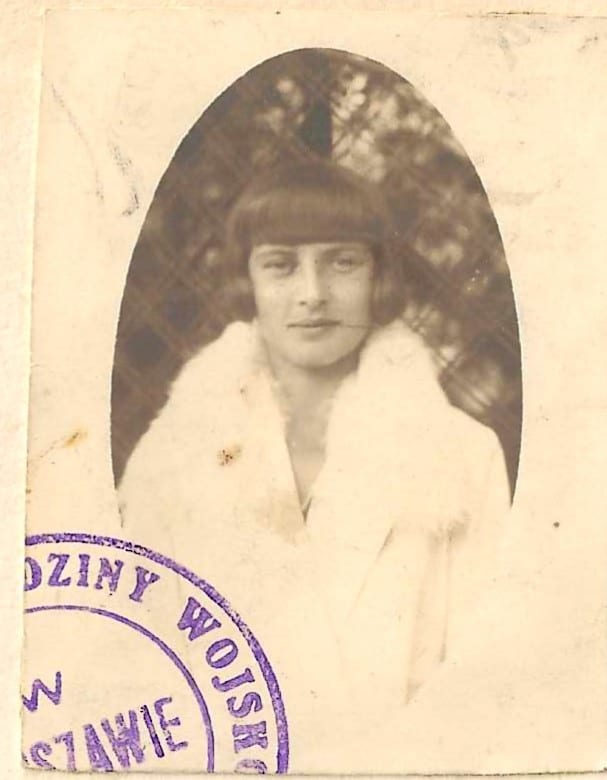
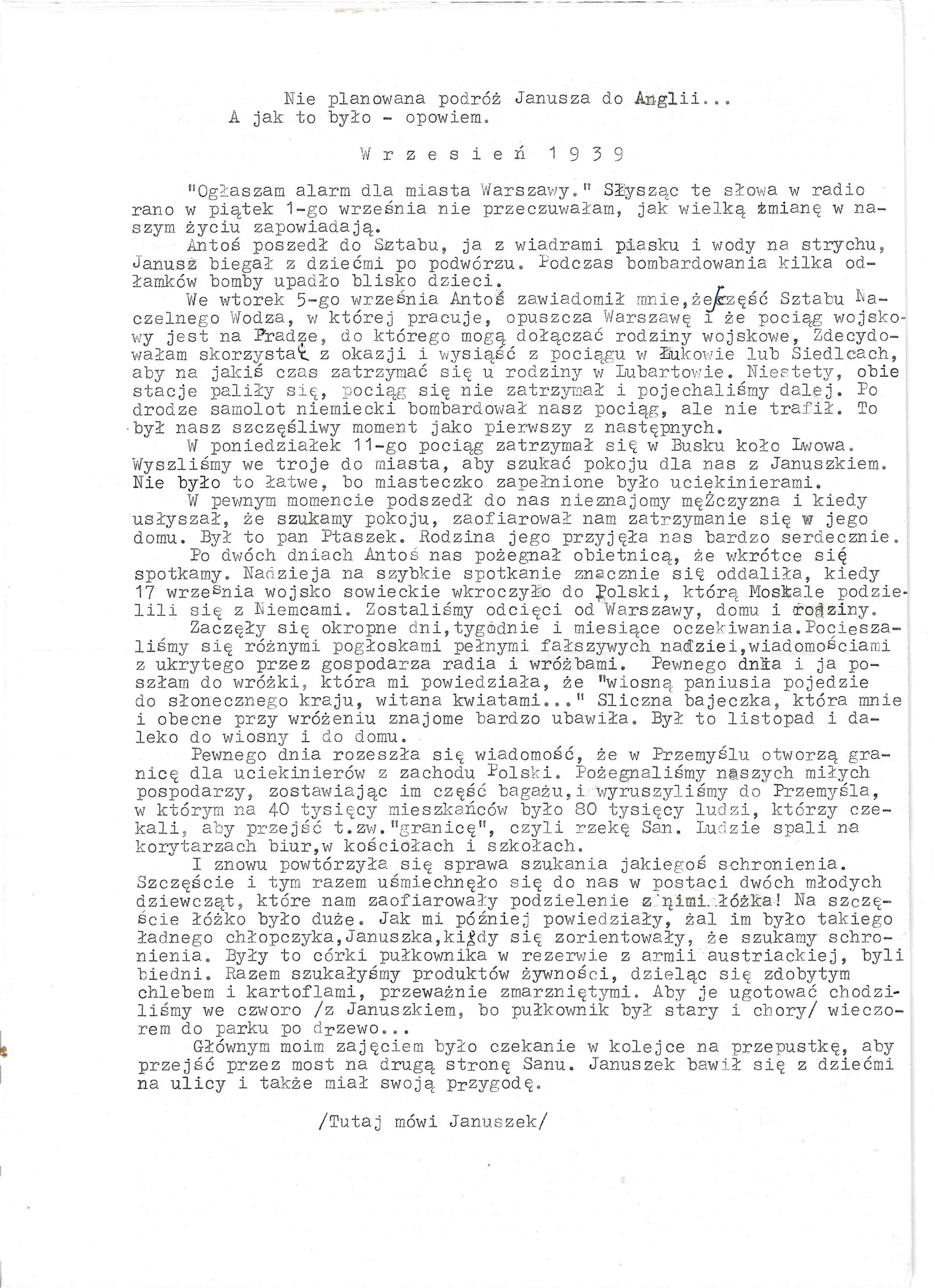
IF: It bridges the divide between official, state-sanctioned narratives and the lived experiences of ordinary citizens. Individual accounts, like Bogumiła’s escape with a specific legal awareness, are not mere gap fillers. They adjust the focus to both agency and either luck or misfortune. Thus, they deepen the general portrayal of millions of displaced women and children, humanizing trauma.
EN: This inclusive approach allows researchers to capture what the Soviet medievalist Aron Gurevich once called “a culture of the silent majority.” Our elderly relatives experienced a great deal and knew a great deal, but were not always willing to tell their stories because of the risk of revealing moral grey zones of their extreme experiences, concern for the family’s well-being, and fear of denunciation or of coming onto the radar of repressive organs. Many stories still largely remain outside the mainstream, such as the nuances of contacts between Soviet and non-Soviet Lviv …
MN: … or intersectionality facilitating female professional careers in interwar Warsaw. Note that these records often focus on the domestic and the traumatic—an area referred to as “unofficial memories,” where the archival record is incomparably smaller than official state records.
AM: From what you have said, I gather that these unofficial stories are not just personal vignettes. They are essential testimonies that broaden the spectrum of attitudes toward war and foreign domination, highlight resilience, and complicate existing historiographic discourses. Thus, they provide a more authentic and inclusive history of Eastern and Central Europe in the twentieth century. I think that many readers of the ASEEES Newsletter, myself included, have yet to explore our own attics, drawers, and family archives, or to have that one conversation we have been delaying…before it is too late.
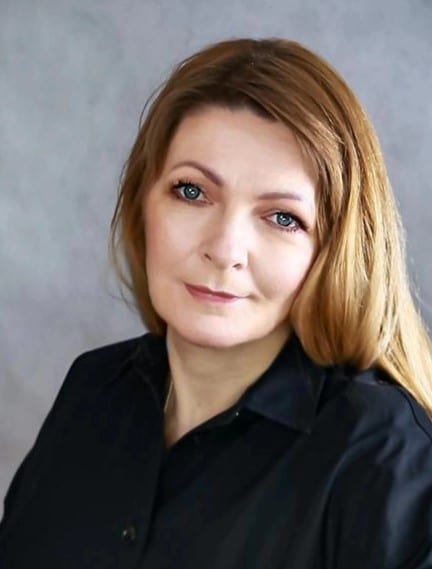
Iwona Flis is a PhD student in the Faculty of History at the University of Gdańsk. Her dissertation focuses on the history of the Polish Institute of Arts and Sciences of America. She has authored and collaborated on numerous publications and has presented internationally on a range of topics, including Polish diaspora organizations, community archives, and émigré women scholars and activists. She is the founder and president of the “Pomerania Archives” Foundation, through which she has led a variety of educational projects in history and archival science for community archives in Poland. She serves on the board of the Gdansk chapter of the Polish Archivists Association. Since 2026, she also serves as the 1st Vice President of the Polish American Historical Association. Flis was awarded the Kościuszko Foundation scholarship for 2021–2022, the Polish American Historical Association Emerging Scholar Travel Award for 2023, and the Hoover Institution Library & Archives Scholar Research Support grant for 2025-2026.
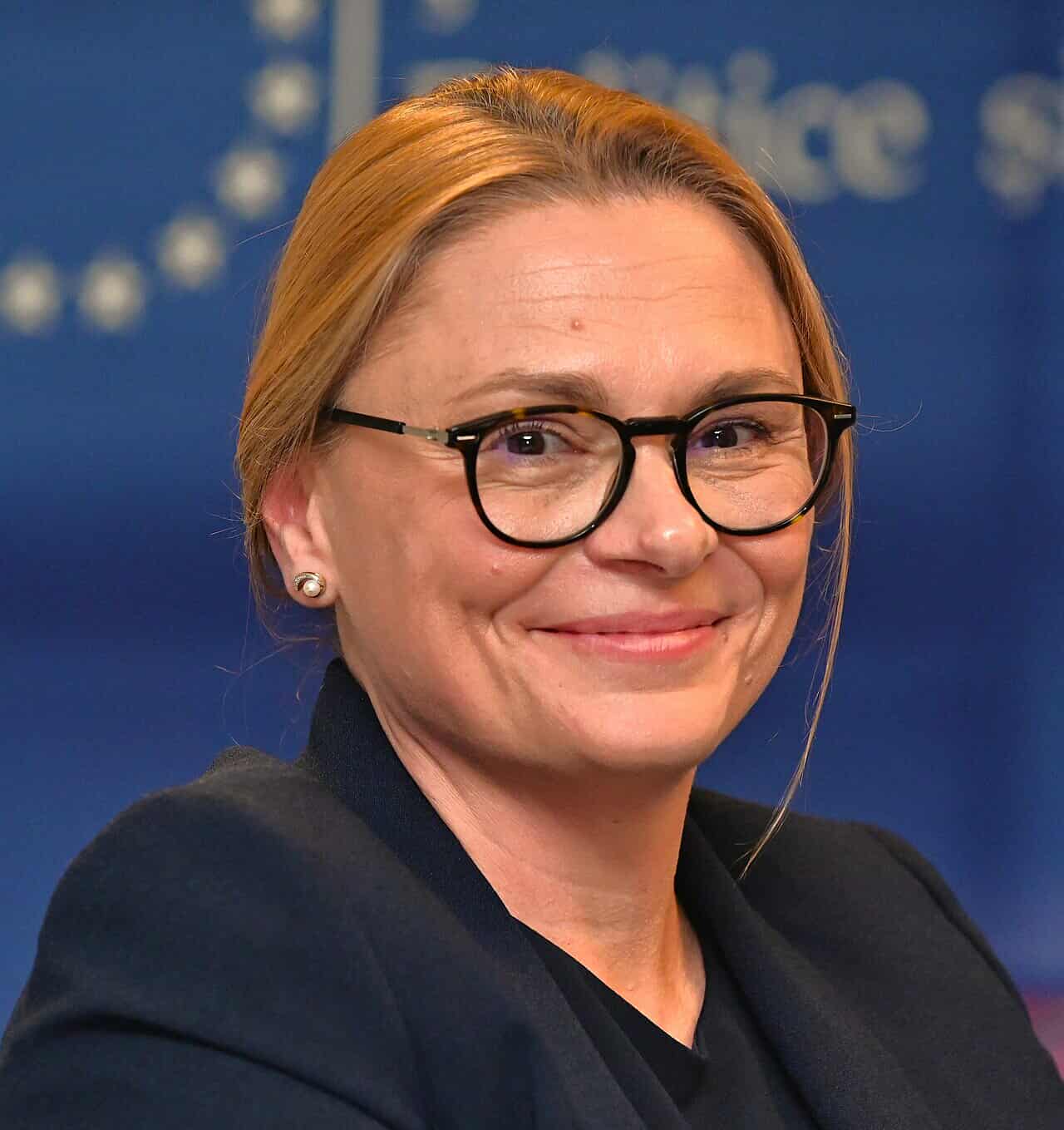
Anna Mazurkiewicz is Professor of History (Prof. dr hab.) and Chair of the Department of Contemporary History at the Faculty of History at the University of Gdańsk, Poland. She teaches contemporary history with a particular focus on the Cold War, U.S. history and U.S.–Polish relations, U.S. foreign policy, and migration and diaspora studies. Mazurkiewicz has published four books, including works on American responses to the Polish elections of 1947 and 1989, and on the role of political exiles from East Central Europe in American Cold War politics. The latter was published by De Gruyter in 2020. Her forthcoming books include monographs on ethnic service in U.S. intelligence (Routledge) and on political exile programs at the Free Europe Committee (Oxford University Press). She is also the editor of five volumes resulting from international collaborative projects, including four in English (published in Poland, Germany and the UK), and serves on the editorial boards of the Oxford Research Encyclopedias: Migration Studies (Oxford University Press), the Journal of Migration History (Brill), and the Migrations in History book series (De Gruyter).
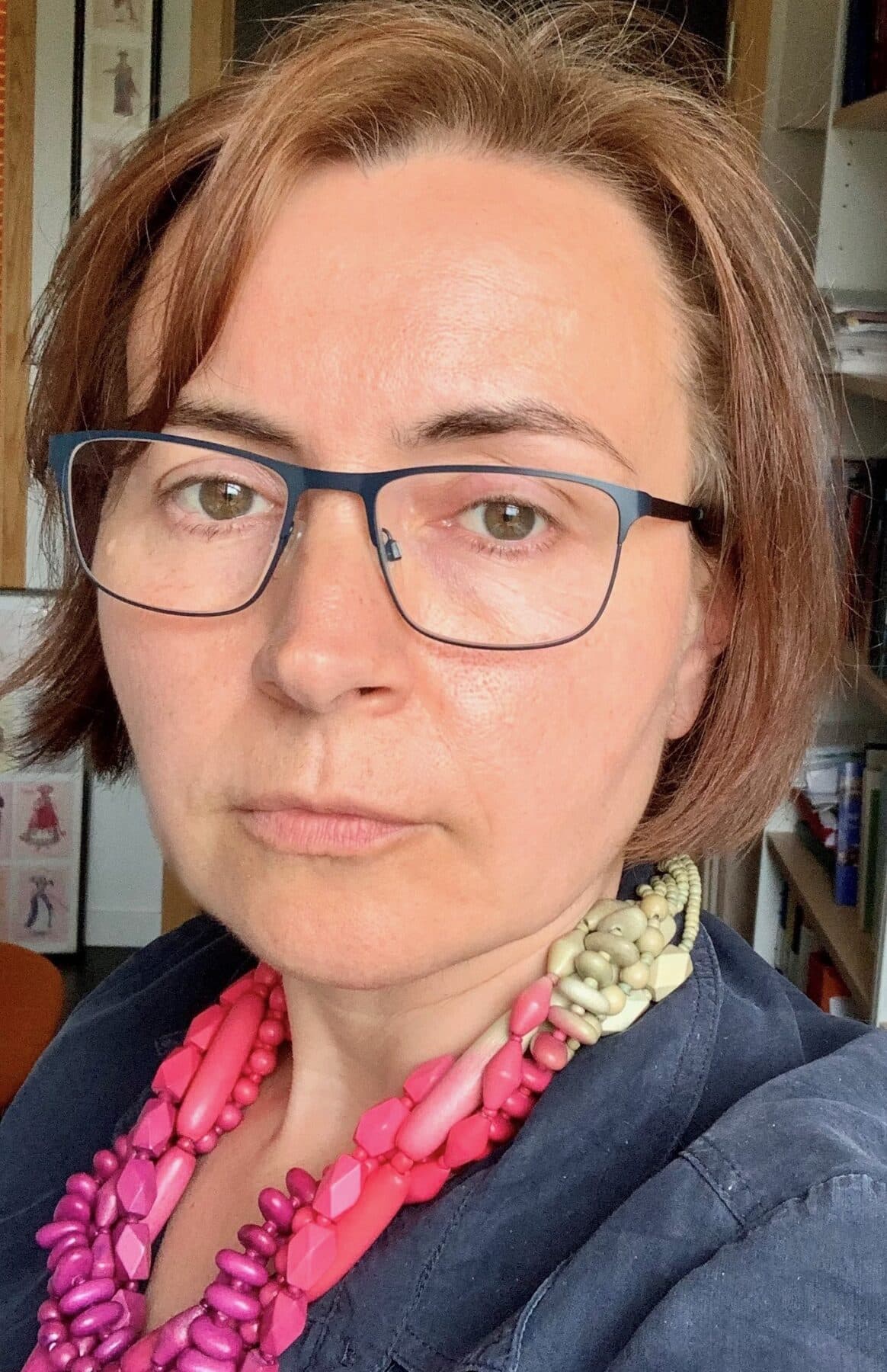
Eleonora Narvselius is an Associate Professor in European Studies at Lund University, Sweden. She has participated in the EU- and Nordic-funded research, including Horizon, COST, Erasmus+, NordForsk, and RJ. Her academic interests span Ukrainian Studies, Memory Studies, Migration Studies, and Ethnology. In recent years, her research has focused on the experiences of various migrant communities in Europe, and since 2022, on Ukrainian migrants. Narvselius has collaborated with the Center for Urban History of East Central Europe (Lviv, Ukraine) on the project 24.02.2022, 5 am. Testimonies from the War. She has co-organized the Summer Institute Witnessing the War in Ukraine in 2022−2026. Among her key publications are Ukrainian Intelligentsia in Post-Soviet L’viv: Narratives, Identity and Power (Lexington Books, 2012; Ukrainian translation, 2025), Traitors, Collaborators and Deserters in Contemporary European Politics of Memory: Formulas of Betrayal (Palgrave Macmillan, 2017, co-edited with Gelinada Grinchenko), and Diversity in the East-Central European Borderlands: Memories, Cityscapes, People (Ibidem, 2021, co-edited with Julie Fedor).
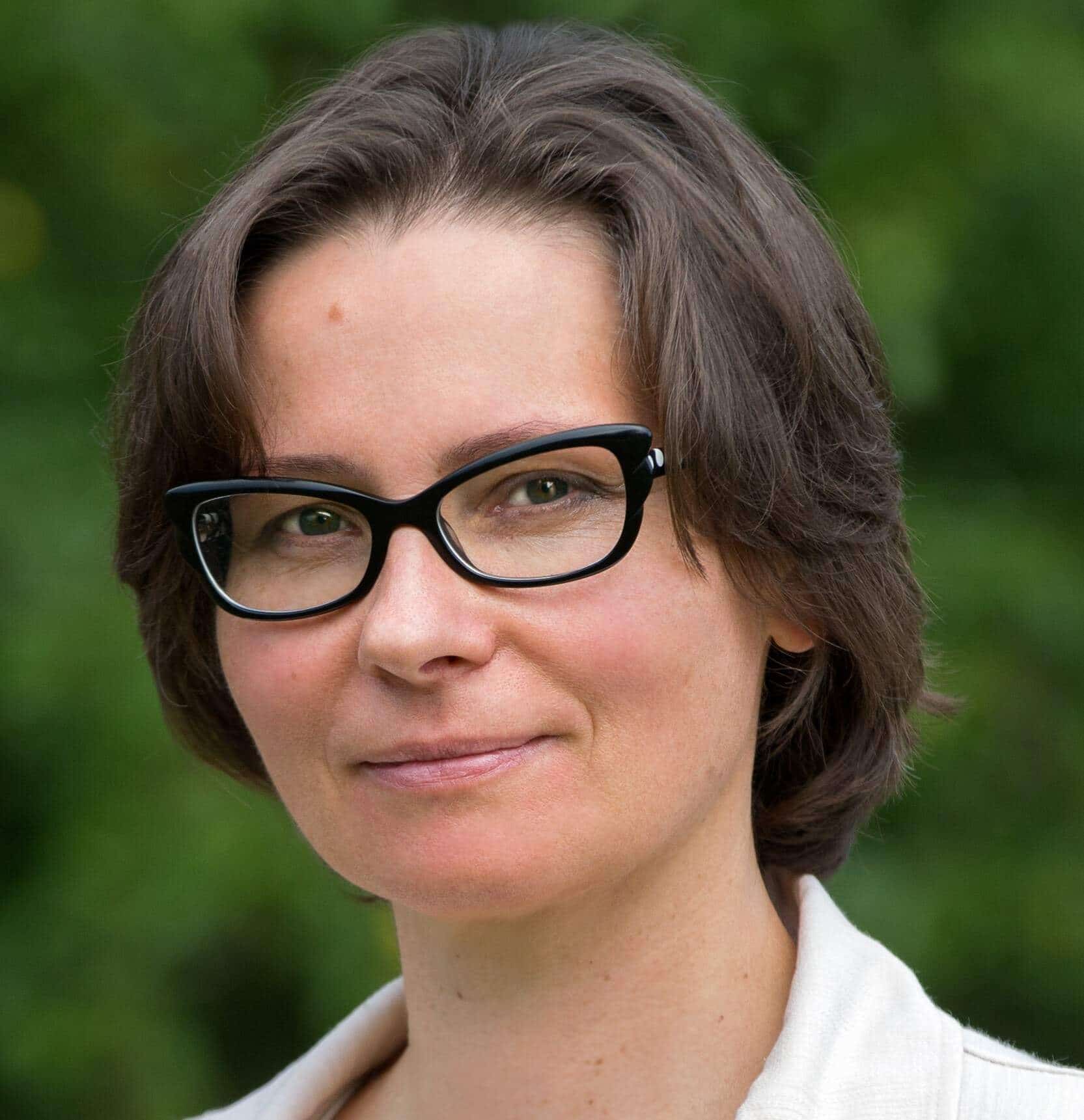
Magdalena Nowak (habil., Assoc. Prof.) is the Chair of Division of History of Eastern Europe at the Institute of History, Faculty of History, University of Gdańsk. In the Fall Semester 2023 she was the Louie A. Brown Visiting International Scholar at the Department of History VSU. She is the author of 62 scholarly publications, including 2 author’s monographs and a co-editor of 5 collective monographs. Her latest achievement is a book devoted to Archbishop Andrei Sheptyts’kyi entitled Dwa światy. Zagadnienie identyfikacji narodowej Andrzeja Szeptyckiego w latach 1865-1914 (Two Worlds. The Problem of Andrei Sheptyts’kyj’s National Identification 1865-1914, Gdańsk: University of Gdańsk, 2018) that was translated and published in Ukraine in 2023. In 2023 she received a grant (nr MONOG/SP/0139/2023/01) from the Ministry of Science and Education, in the Program Excellent Science II, Support for scientific monographs, entitled: „ English translation and publication of the monograph “Two Worlds…”, Gdańsk 2018”. Her research interests include: Polish-Ukrainian relations in the 19th and 20th centuries; Polish and Ukrainian national integration, the importance of religion in the development of the national consciousness of Poles and Ukrainians; the biography of Archbishop, Andrei Sheptyts’kyi (1865–1944).