I am an independent scholar; it’s a fancy name for someone who is unemployed in academia, but still has the misfortune of scholarly pursuits, a drive for knowledge and absolutely no home to take it to. And home is something I think about a lot. There must be countless papers emerging from philosophy, anthropology, literature, architecture or history treating the subject and its meanings but mine won’t be among them. Disciplines are homes that I don’t belong to anymore and I can’t say that’s something I regret.
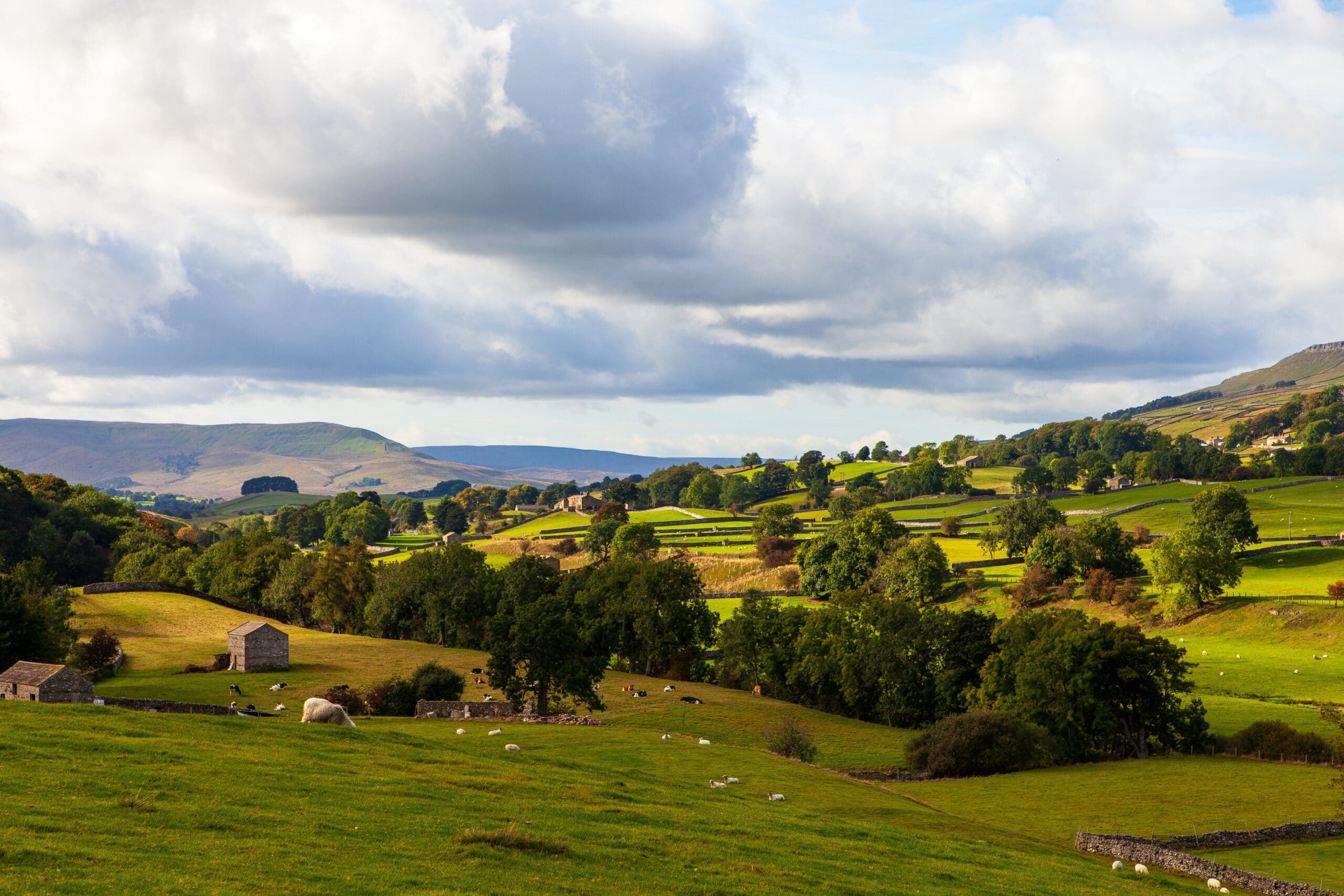
But of course, to belong is to survive. And sure, I might not have the privilege that certain, steady belonging brings. Then a part of me looks back and thinks about my ancestors, who were scarred by post-World War II displacements, brought from one imaginary land to another, replanted from Poland’s Eastern Borderlands to the “Recovered Territories,” and I don’t think that being rooted is something that’s destined for people like me.
Our research is usually something we hold dearly, something that touches us to the core and we simply can’t get away from. Something that, by a delicate trickle, nested in our heads and sits there stubbornly, corporeally, so from the lack of any other means, we mask it as the center of our professional interests to dwell on it with impunity, for as long and as deep as we need. It doesn’t work for everyone but, well, it certainly works for me. So I dwell on fragments. I catch them in flight like blowball seeds and I wonder where they came from, how did they look when they were still just a dandelion? Then I write it down and it turns out that everything needs to be a damned metaphor so I try to rephrase. I dwell on fragments of the past. I catch them in public spaces or institutions and I wonder what these lasting marks meant for the sense of belonging among those who came here post-World War II. I dwell on my Polish hometown, on my Lower Silesian region, on multiple journeys that took people away from here and brought new in with an ebb and flow. I brood over home, loss, and memory, over fragility of borders and definitions. Turns out I’m more of an ethnographer or anthropologist these days. But I was trained as a comparatist, whatever this means. Some people think I’m a historian. Or simply an interdisciplinary scholar? I ask myself this all the time.
Disciplines are homes that I don’t belong to anymore…and I don’t think that being rooted is something that’s destined for people like me.
“Interdisciplinarity” is a magical incantation that everyone repeats dreamily but nobody believes in; a desired label to be repeated at roundtables and conferences, and much less so in practice. “You have to be interdisciplinary, make yourself useful,” said one professor at NYU, convincing us that designing a syllabus on French cinema would be yet another ace up our sleeves. Someone will eventually hire you, you can teach a given literature and be employed in a joint media program, win-win, they said. “A given literature” was a problem though. It’s expertise that matters. The ones who get jobs in this horrible market are usually those who are laser-focused and bring a depth of knowledge rather than its breadth. It’s that gesture one makes with their hands, cupping them around their head like blinders, eyes locked on a single thing. That’s one thing I could never do, eyes wandering, mind connecting dots that happen to fall outside disciplinary limits.
In order to feel comfortable with interdisciplinarity, one has to feel comfortable with fractures and puzzles, but also with questions like “so, what do you do?” and the most dreadful one: “who are you?”
I sigh and I gulp when I hear it and when I write it because I believe in vulnerability and that’s something we as scholars seem to repress easily, as if the expectation of strong make-believe stifled all the emotion that we feel.
I sigh and I gulp and then I say: I am an independent scholar; it’s a fancy name for someone who is unemployed in academia but still has the misfortune of dwelling on important subjects and absolutely no home to take it to. And I do know a thing or two about homes; I always had multiple ones.
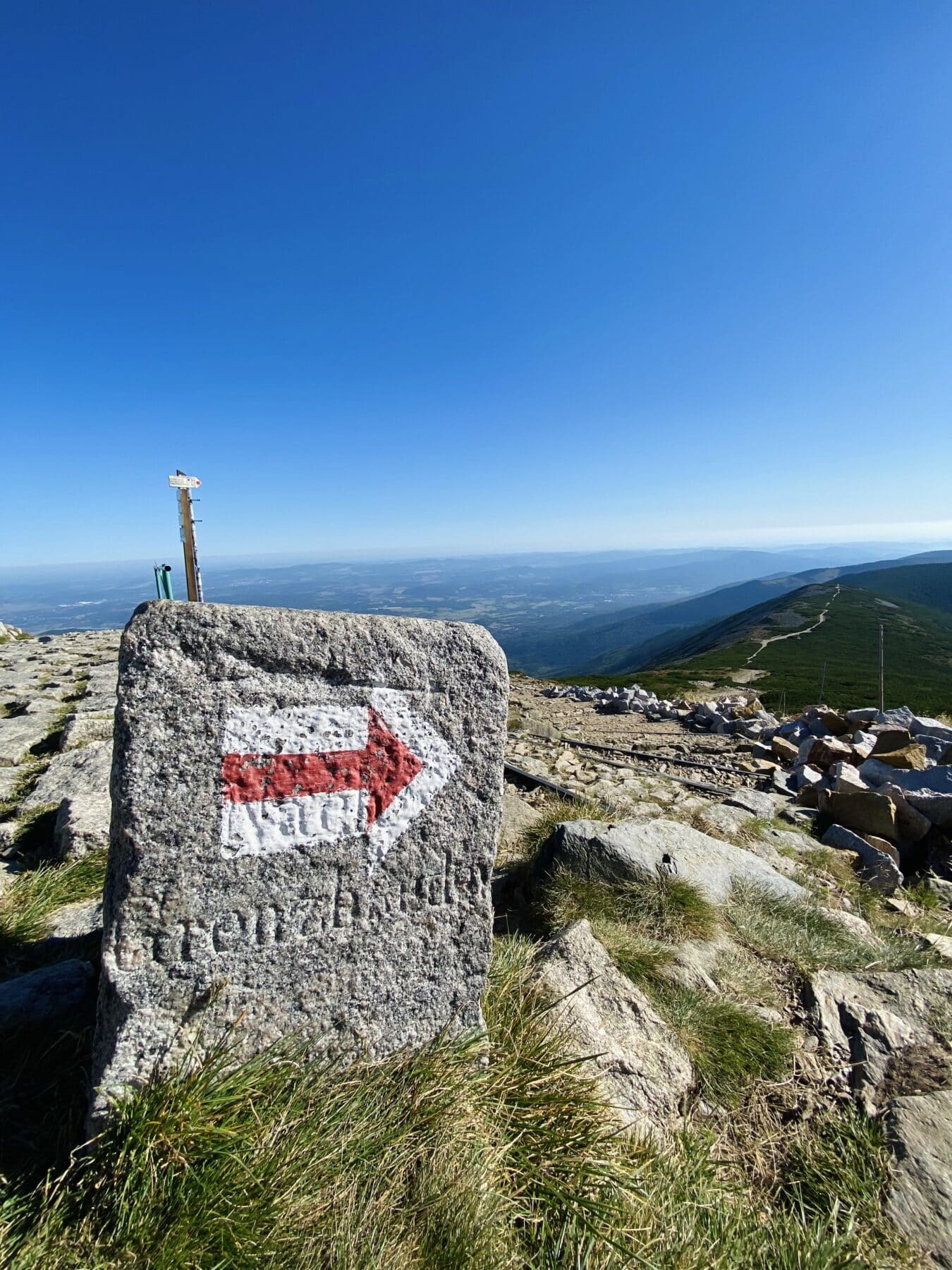
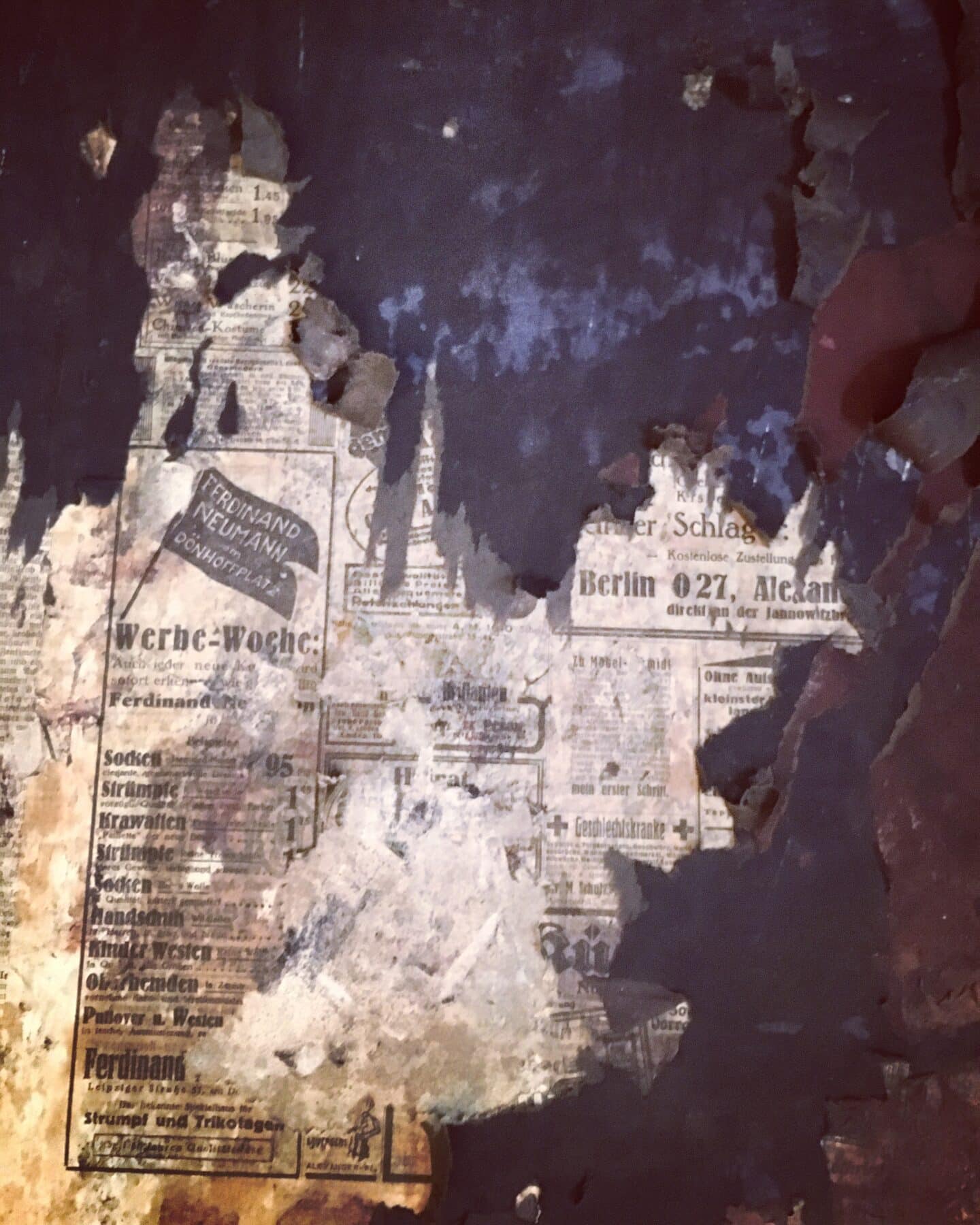
And no, I won’t necessarily delve into my Polish childhood, inexplicably filled with German objects and inscriptions peeking out from flaking old facades. Although yes, that also somehow felt like living in two homes, mine and someone else’s, all at once. I rather refer to that one journey of immigration, one that jumbles all that’s steady and firm, a kaleidoscope of mixed feelings embedded in loss.
Immigrants are always already made of little pieces, like porcelain cups – dropped and put back together, to still serve their purpose. Things get fractured on the journey between the old and the new, and surviving means making sense of that. Making sense of that was probably something my ancestors did during postwar relocations, or maybe they didn’t. Maybe all that mattered was a place to sleep, something to eat and functional cattle wagons to bring them to a brand new abode.
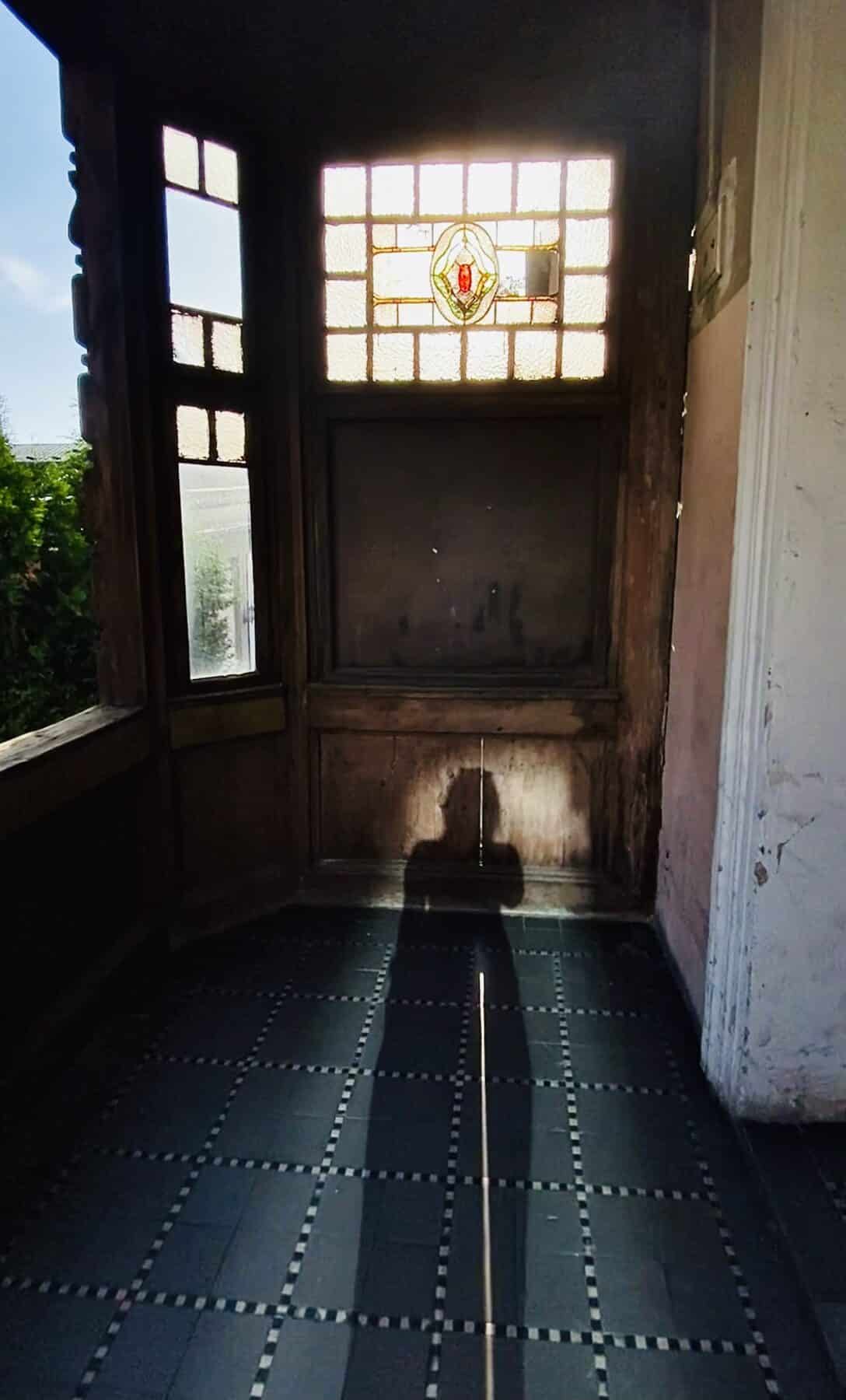
Being an immigrant in academia comes with its own set of pressures and woes; always already feeling out of place, not quick enough with the reading, not comfortable enough with the writing. With impostor syndrome by our side at all times, we gravitate to disciplines resembling something of home. Or we hold on to moving fragments and modes, like wagons that will eventually bring you places. Broken off from all that was familiar in my late teens, I first held on to the moving wagon of languages. Communicating, I thought, would ground me, as being able to convey things would make me less of a threat, more of a safe haven, so I turned to them academically. It had nothing to do with Slavic or East European Studies, I was trying to survive away from home, after all. I tied myself to French and Spanish and then I chose Comparative Literature, hoping for openness and flexibility. I wanted to continue to study all that, and to do it all at once, even throwing in an interest and memory from my past – street theater. It was all about interaction and meaning created in public space, it felt important to help texts travel to those who are not experts on the matter. Finally, my doctoral training brought me to the archive. The concept of a repository, of something seemingly stable that holds fragments of memory – fragments, that can be as deceptive and engrossing, all at once, was something that drew me in immensely. Communicating, interaction, archive – my wagons of the academic journey. Finding an advisor for such a motley crew was yet another story.
Being an immigrant in academia comes with its own set of pressures and woes…With impostor syndrome by our side at all times, we gravitate to disciplines resembling something of home.
The fun of being connected to SEEES in the US is their seeming, should I say, interdisciplinarity. My alma mater’s Slavic department offered everything Russian with a tiny side of Czech. Russian studies colonizing yet another space wasn’t that surprising. But the absence of anything Polish left me in the lurch. Polish professors were just whispers and anecdotes told by those who tried to throw me an anchor, anything, to keep me in place. “There was a Pole here once, s/he is not here anymore” exchanged with “I could technically be your advisor but I don’t know anything about this Polish stuff” turned me into a vagabond. It’s only one school, it’s not a universal rule, I know, I know. But venturing outside of my chosen base in order to find an engine for my crumbly set of wagons was a challenge. Like with every journey, I suppose, things break down and stall, sometimes when we least expect it.
My dissertation was, at its core, an exercise in making sense of fragments. One chapter didn’t build on the next; it was a kaleidoscope where each chapter had the same elements but they looked differently in each case study being discussed. Images made of disjointed pieces, carried on by the same movement: keep turning the kaleidoscope and new astonishing figures emerge. From every wagon I took out elements I needed the most and I imbued my research with everything that I missed in long library hours of loneliness. Maybe I wasn’t made to be stationary, after all. I focused on liveness, on performance, on political context and archive. It’s that gesture that starts with cupping hands around your head like blinders, eyes locked in on a single thing, but then opening them back out to describe a wider view.
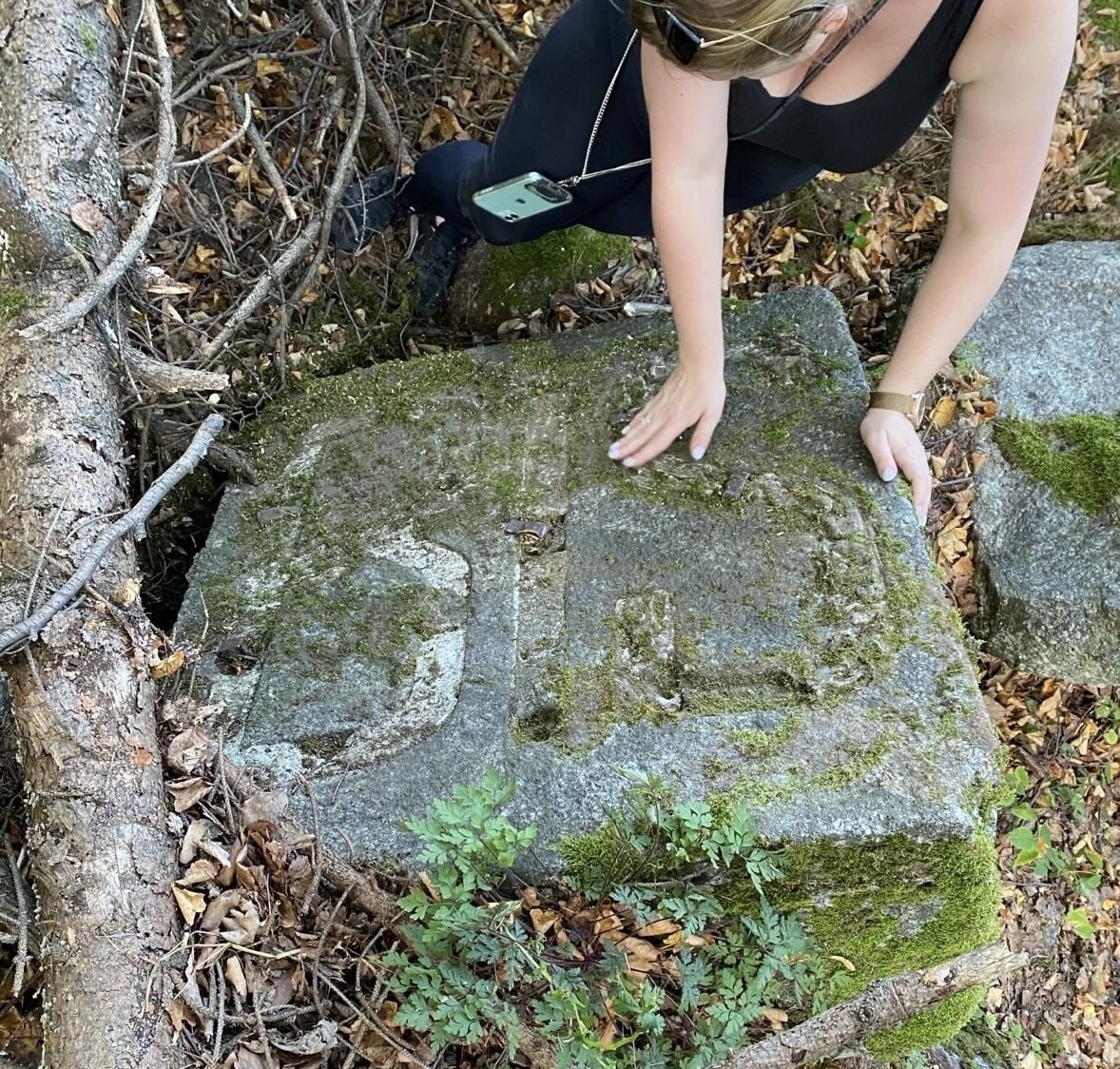
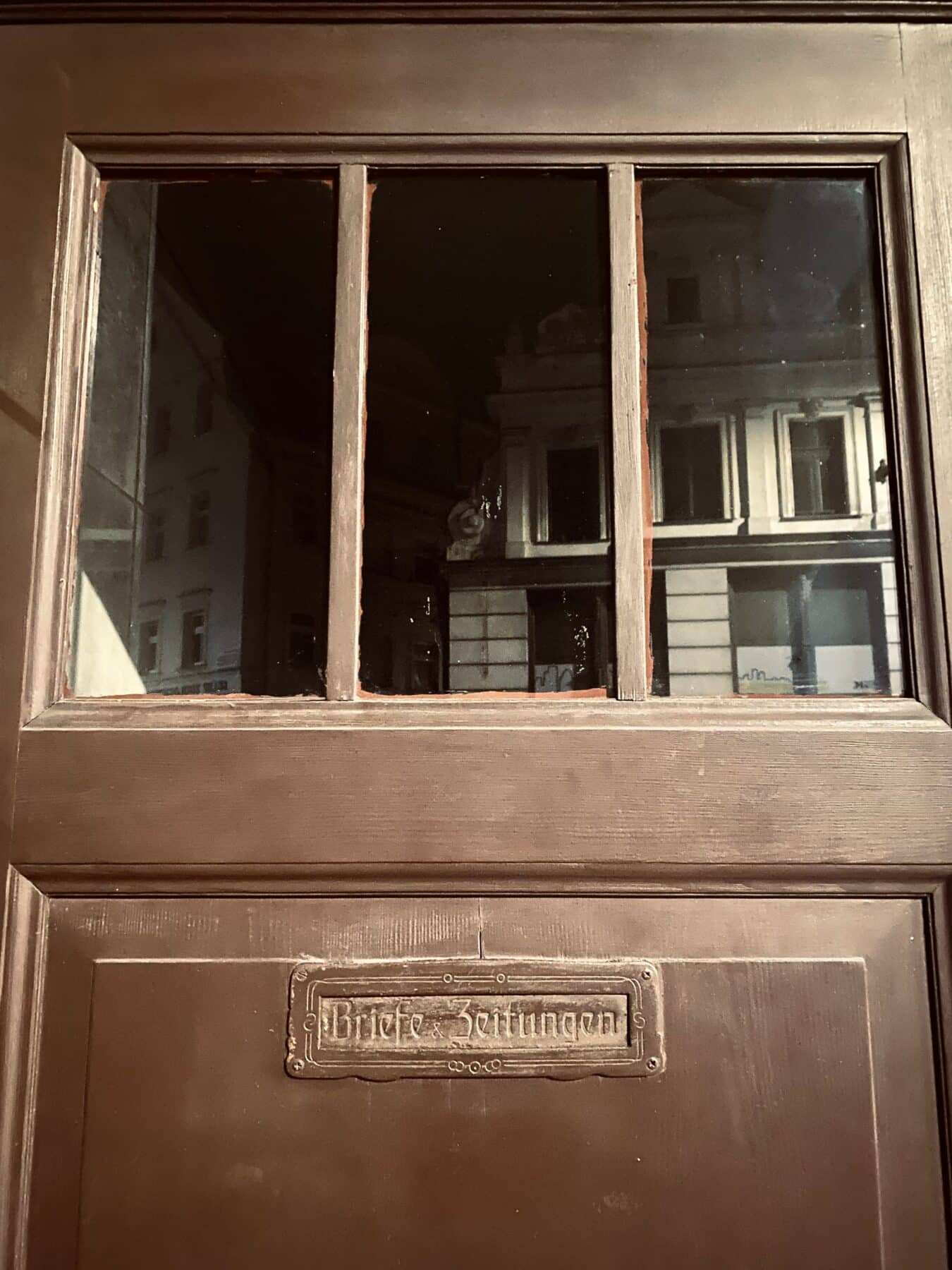
Fast-forward several years after the defense, me and my wagons are still here, we’re just travelling on a different route, just on a wider plane than in the previous journey. I pick and choose methods that I find the most fitting, and that’s the freedom I wouldn’t have otherwise. I look for material traces that remain against all odds. I train my eyes to see the layers of history. I research through my senses, trespassing vestibules, inhaling their damp dustiness, touching wooden doors and pricking my fingers on old wrought-iron fences. I rip ivy rhizomes off abandoned German graves in Polish territories, splinters stick in my hands and I write it down, because a splinter is a metaphor for something painful that stays for a long time and can’t be removed so easily. I rummage through my attic and the objects its previous German owners left, and in this sooty air I wonder about my right to remove the historical materiality of their presence. Then I recycle these things, believing that through interaction, one can remember. I know my process is deeply flawed and imperfect, and yet there are no consequences as I sway between the borders, intertwine disciplines or dance around them. I dwell on the journeys and losses, and I use my scholarly tools in order to parse through them. And then I write. I also share, because interaction is part of my process. I share my findings on social media, recently on Bluesky, because knowledge is formed through conversation. I also believe in scholarship that’s accessible and neither conceited nor self-aggrandizing.
After years of journeying around, I hover around SEEES, the demarcation that fits me more than others do. I sit on the sidelines and I observe. I criticize, too, often with impunity because: what’s the worst that can happen? I won’t lose a job I don’t have, and that’s also a kind of freedom. I admire the depths of knowledge my colleagues conquered, I admire how much they shine in their focused work and how they brave through long hours of stationary work. Sometimes I notice and deplore insecurities some of them carry, enveloped in layers of phony self-confidence. Some boast they speak multiple languages but secretly swallow their tongues in the presence of native-speakers of the language they claim to know. I wish I could tell them – it’s fine, we all carry our insecurities and we can be vulnerable about it, but apparently we can’t. I come to conferences and sit in a dark corner, listening to stellar presentations of those who can’t land a job interview, because their presence on social media is not pronounced enough, because they are not loud enough, because their former advisors are too busy promoting their own brands. Then I listen to a nonsense-laden work by someone whose online presence is cacophonous and blaring, later I’ll hear they get interviews for jobs that are mostly non-existent, and I can’t shake the feeling that our field operates on vibes.
But I guess we all operate on fragments, to some extent, so I shouldn’t be the one to judge. In the world that is slowly crumbling, everyone would like to keep a piece of their own.
I am an independent scholar; it’s a fancy name for someone who is unemployed in academia but still has the misfortune of scholarly pursuits, drive for knowledge and absolutely no home to take it to. But I am fine with that, with finding a home in fragments. I roam the cities and towns, eyes wandering. I write down and I fight the metaphors that engulf my writing, impostor syndrome is by my side at all times. I try to communicate that which remains unspoken, I interact with objects to remember, and piece by piece, I deal with an archive of memories that surrounds me. I no longer look for a promised “whole”, a place where I need to cup my hands around my head like blinders, eyes locked in on a single thing.
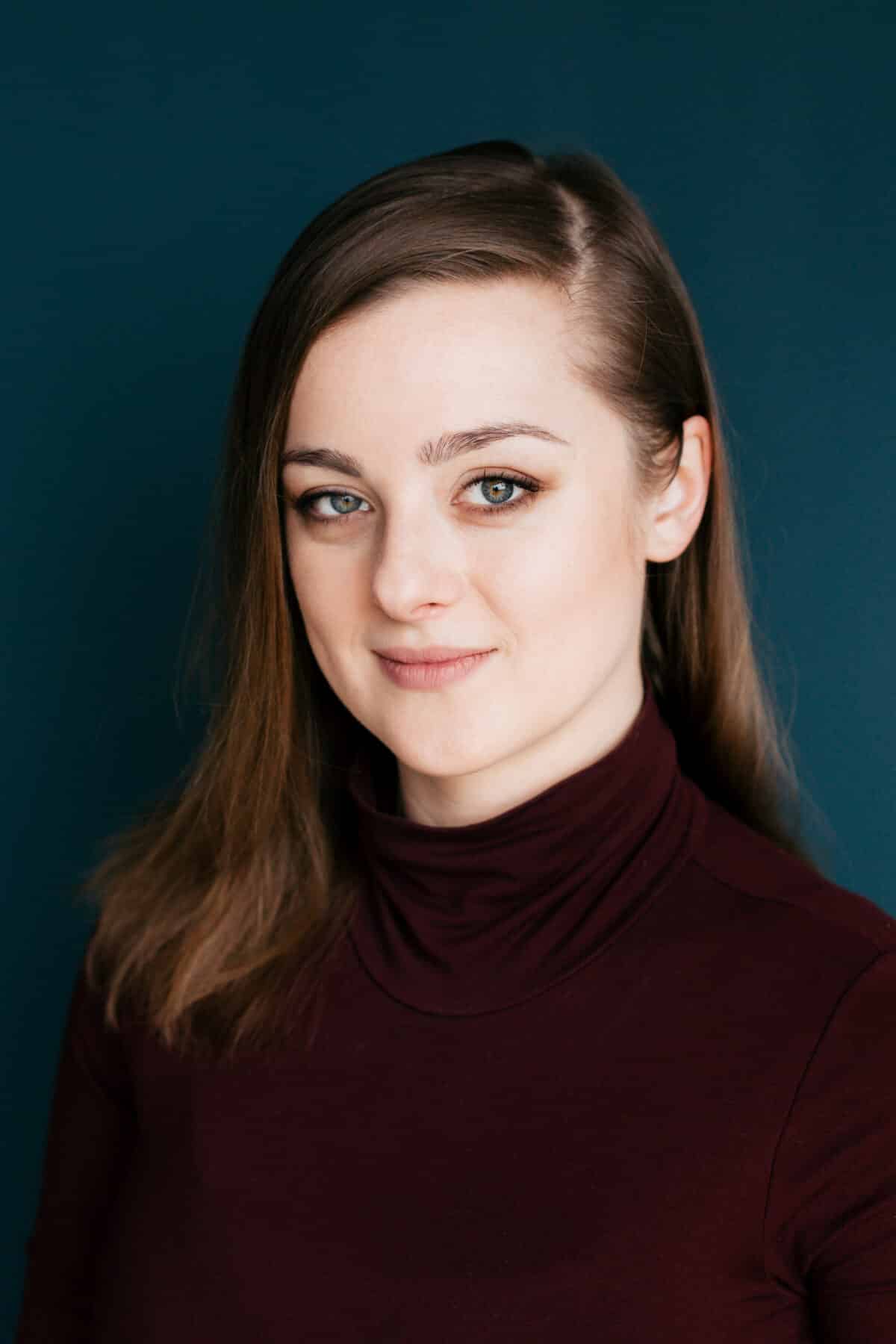
Agata Tumiłowicz-Mazur is an independent scholar, writer, and translator. She received her PhD in Comparative Literature from New York University, where she wrote a dissertation on the living link between archive and performance. Currently, she’s researching the material traces of the past in her Polish home region, Lower Silesia, and working on her first book. Her writing has appeared in The Brooklyn Rail, Apofenie, The Theatre Times, and elsewhere. She loves peonies and views of the mountains.