
Wednesday, October 15, 2025
Victoria Khiterer
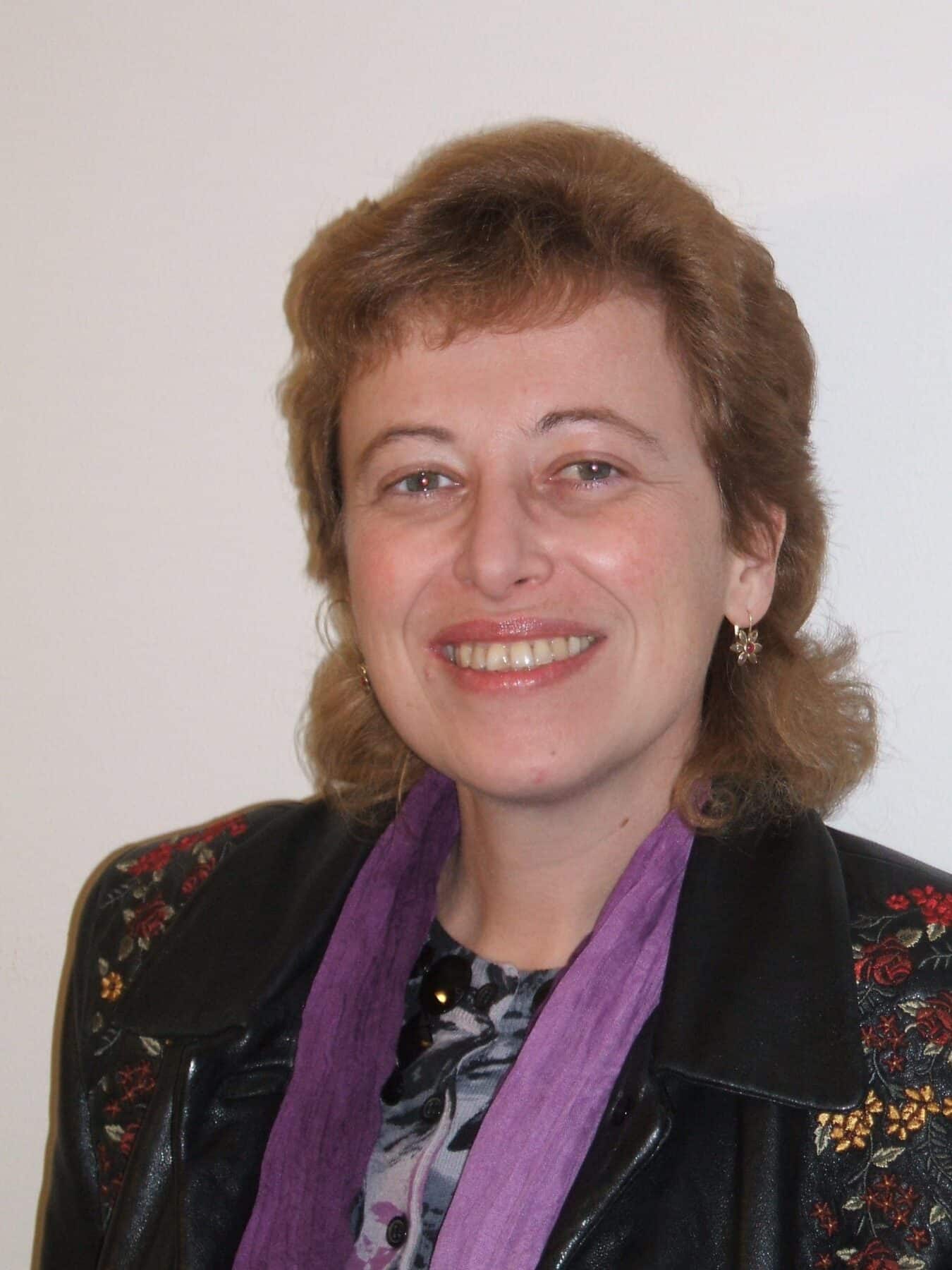
Victoria Khiterer is a Professor of History at Millersville University.
When did you first develop an interest in Slavic, East European, and Eurasian Studies?
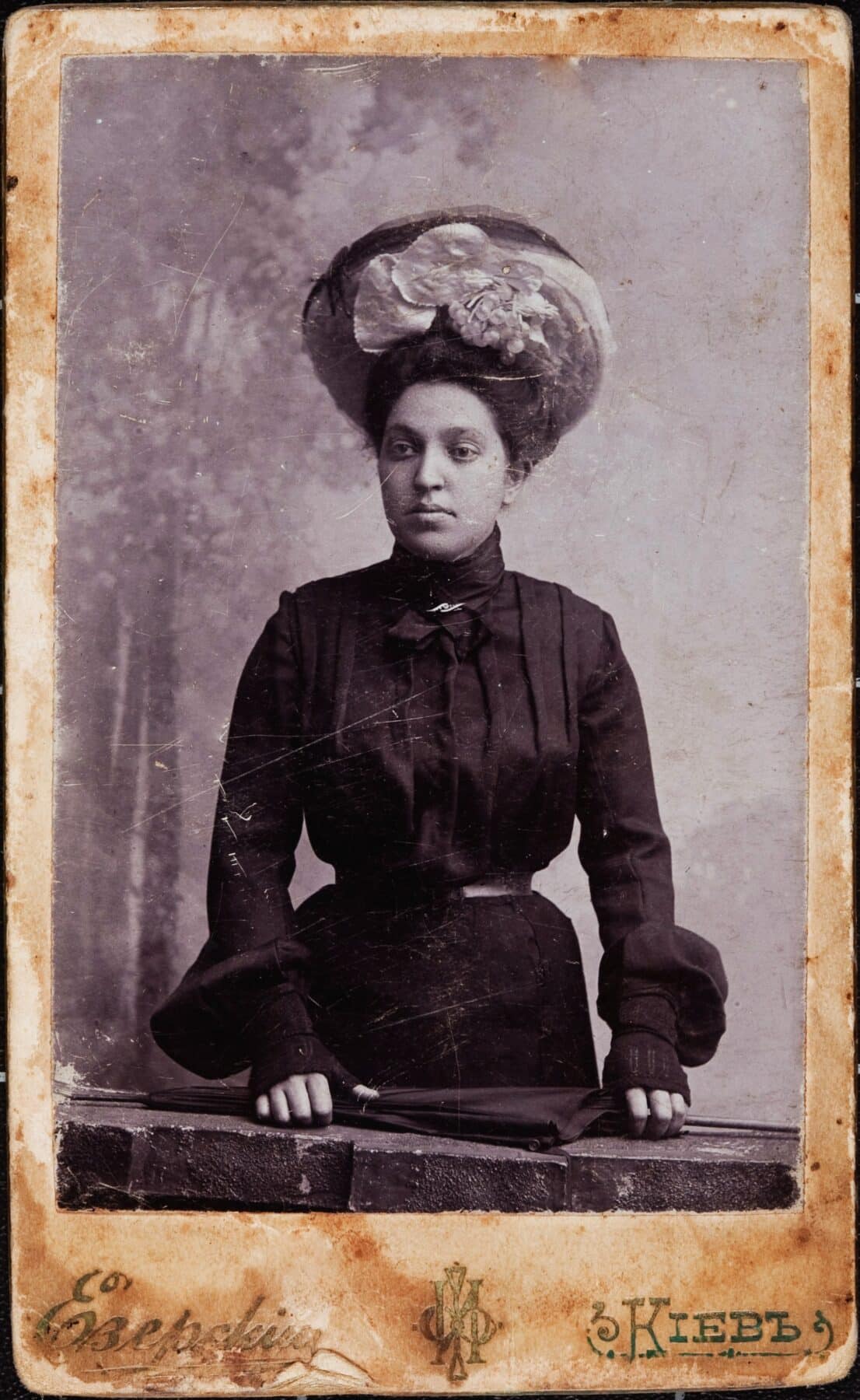
I developed an interest in Slavic, East European, and Eurasian Studies, and particularly in Eastern European History, when I was a child. By the age of 11 I knew for sure that I wanted to become a historian. I grew up in Kyiv, a city with over a millennium of history. Its old landmarks and museums inspired my interest in history. In my childhood, my maternal grandmother showed me a beautiful picture of her mother (my great-grandmother) from the turn of the 20th century, and I tried to imagine how my ancestors and other people lived in Kyiv a hundred years ago.
How have your interests changed since your initial interest in the field?

Originally, I was interested in Russian, Ukrainian, and Kyivan history. But later, when I worked in the Central State Historical Archive of Ukraine as an archivist, I found thousands of documents in Jewish history that had never been published. I decided then that I wanted to be a Jewish historian and particularly a historian of Jews in Kyiv. Jews have lived in Kyiv since the 10th century, but the history of Jews in Kyiv has never been written previously. So, I am trying to fill this gap with my publications. I have published three books and many articles on the history of Jews in Kyiv:
- Bitter War of Memory: The Babyn Yar Massacre, Aftermath, and Commemoration (Purdue University Press, 2025);
- Jewish City or Inferno of Russian Israel? A History of the Jews in Kiev before February 1917 (Academic Studies Press, 2016), Choice Outstanding Academic Titles Award, 2017;
- Jewish Pogroms in Kiev during the Russian Civil War, 1918-1920 (The Edwin Mellen Press, 2015).
What is your current research/work project?
I am working now on my book Kyiv as a Center of Soviet Jewish Culture in the 1920s-1930s. My monograph will explain how and why Kyiv became a center of Soviet Jewish culture in the interwar period. Kyiv was one of the two largest centers of Yiddish culture in the Soviet Union (the other was Minsk). Several Jewish state scholarly institutions functioned in Kyiv in the 1920s-1930s. Many Yiddish writers and poets lived and worked in Kyiv at that time. Several Yiddish periodicals were published in Kyiv, three Jewish theaters, Jewish schools and clubs functioned in the city. In the mid-1930s, the Soviet policy toward all national minorities, including Jews, abruptly changed. Instead of encouraging development of the various national cultures of the multi-national population of the Soviet Union, the authorities decided to emphasize the dominant Russian culture and brutally suppress all others. Most Jewish organizations and institutions were closed in Kyiv and all over the Soviet Union in the second half of the 1930s. Many scholars who worked in these organizations and institutions were arrested and some were executed.
Tell us about your most interesting/enjoyable research or work experience.
I like all my research topics, but a special pleasure for me was work on my articles “Seekers of Happiness: Jews and Jazz in the Soviet Union,” Kultura Popularna, 1, no. 51 (2017): 26-50 and “The Jewish Songs of Leonid Utesov,” On the Jewish Street, 2, no. 1 (2012): 1- 48. These articles discuss the contribution of Soviet Jewish musicians to jazz music, and how people escaped from the gloomy reality of Soviet life to jazz that represented for them World culture, freedom and happiness.
What do you value about your ASEEES membership?
I like the ASEEES Conventions; I always learn a lot from the presentations. I also enjoy talking to my colleagues and seeing the new scholarly books at the Convention exhibitions.
Besides your professional work, what other interests and/or hobbies do you enjoy?
I enjoy traveling and visiting different countries. I like theater, art exhibitions, and music.