
Wednesday, February 04, 2026
Natalie Kononenko
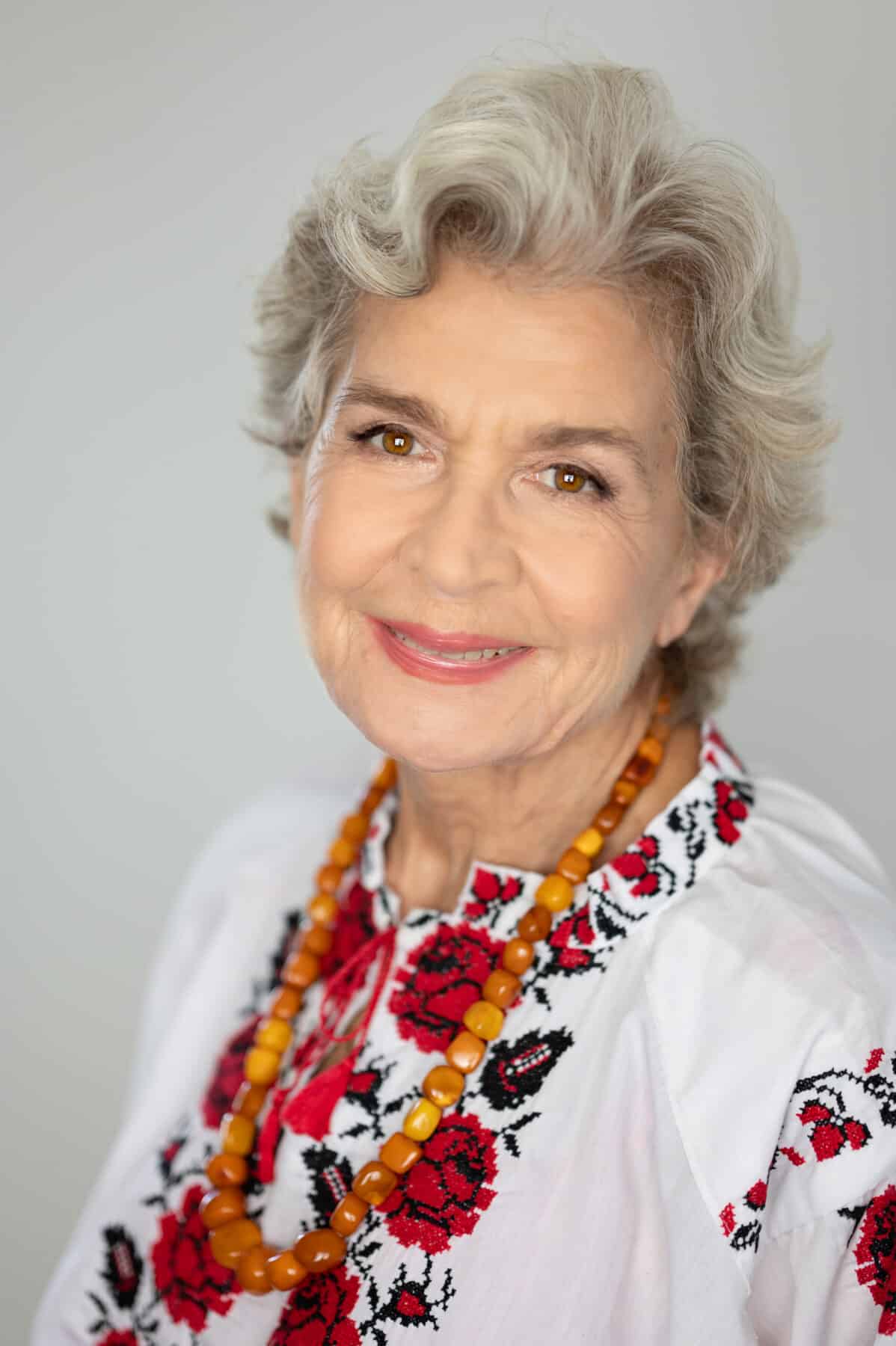
Natalie Kononenko is a Professor and Kule Chair in Ukrainian Ethnography at the University of Alberta, Emerita
When I graduated from high school, I matriculated at Cornell University. My goal was to be a scientist, perhaps a mathematician, and Cornell fit the bill. But, at some point in my early training, I decided to take a Russian literature course – just out of interest. Well, I was hooked. I loved it and went on to major in Slavic studies. By then I had married and transferred to Radcliffe, from which I went on to graduate school at Harvard.
Something similar happened at Harvard. I took a folklore course with Albert Lord. Again – I was hooked. Lord did fieldwork in the Balkans and again I said: “this is what I want to do.” Many things happened in graduate school, including a divorce, and I seriously debated a very different career – I thought of applying to the School of Fine Arts at the Boston Museum. I told Lord, who was by then my supervisor, and he said: “No – you’ll stay with me.” I did and I am very grateful that he made this decision for me.
After getting my degree from Harvard, I got a faculty position at the University of Virginia. I taught the usual language and literature courses, but folklore was my passion and I offered to introduce a folklore course. At that time, as at all times, the pressure on universities to have high enrollment courses was great. My folklore course was a success and I was allowed to expand my offerings in folklore. I held various administrative positions as well, but those never meant the same to me as my folklore work did.
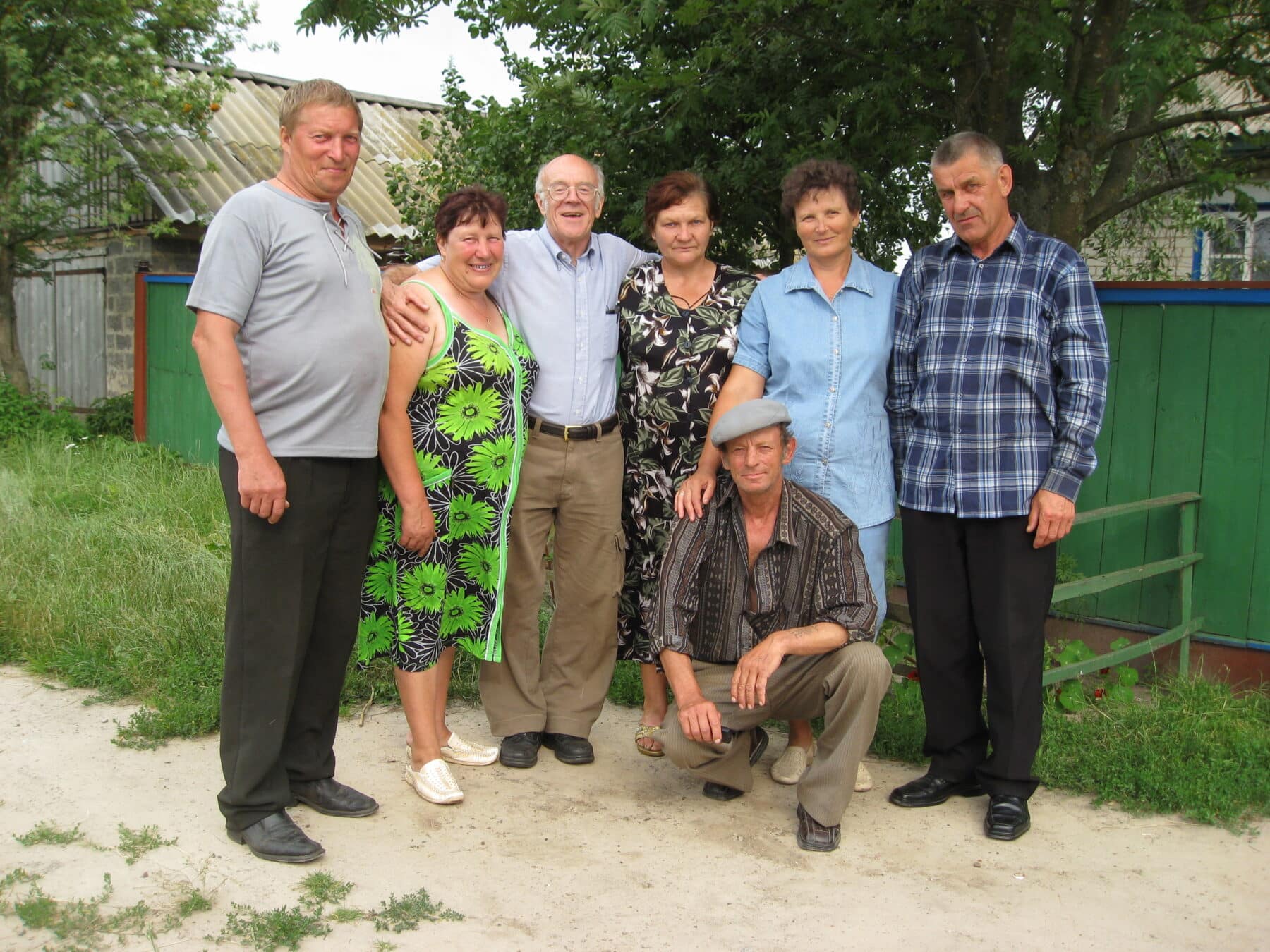
For my doctoral dissertation, I had learned Turkish and done fieldwork in the villages of eastern Turkey. At Virginia, I hoped to make my next project something Slavic. I especially wanted something Ukrainian, since that is my heritage. Fortunately, the Soviet Union was opening up and I was allowed to do archival work at the Rylskyi Folklore Institute in Kyiv. My work there was closely related to what I had done in Turkey and what Lord had done in the Balkans; specifically, I studied professional minstrels. The book that I wrote based on this work, Ukrainian Minstrels: and the Blind Shall Sing, won the best book award from the American Association for Ukrainian Studies and the Kovaliv Prize. Later I published a book of translations of Ukrainian epics, which won the Barbara Heldt translation prize.
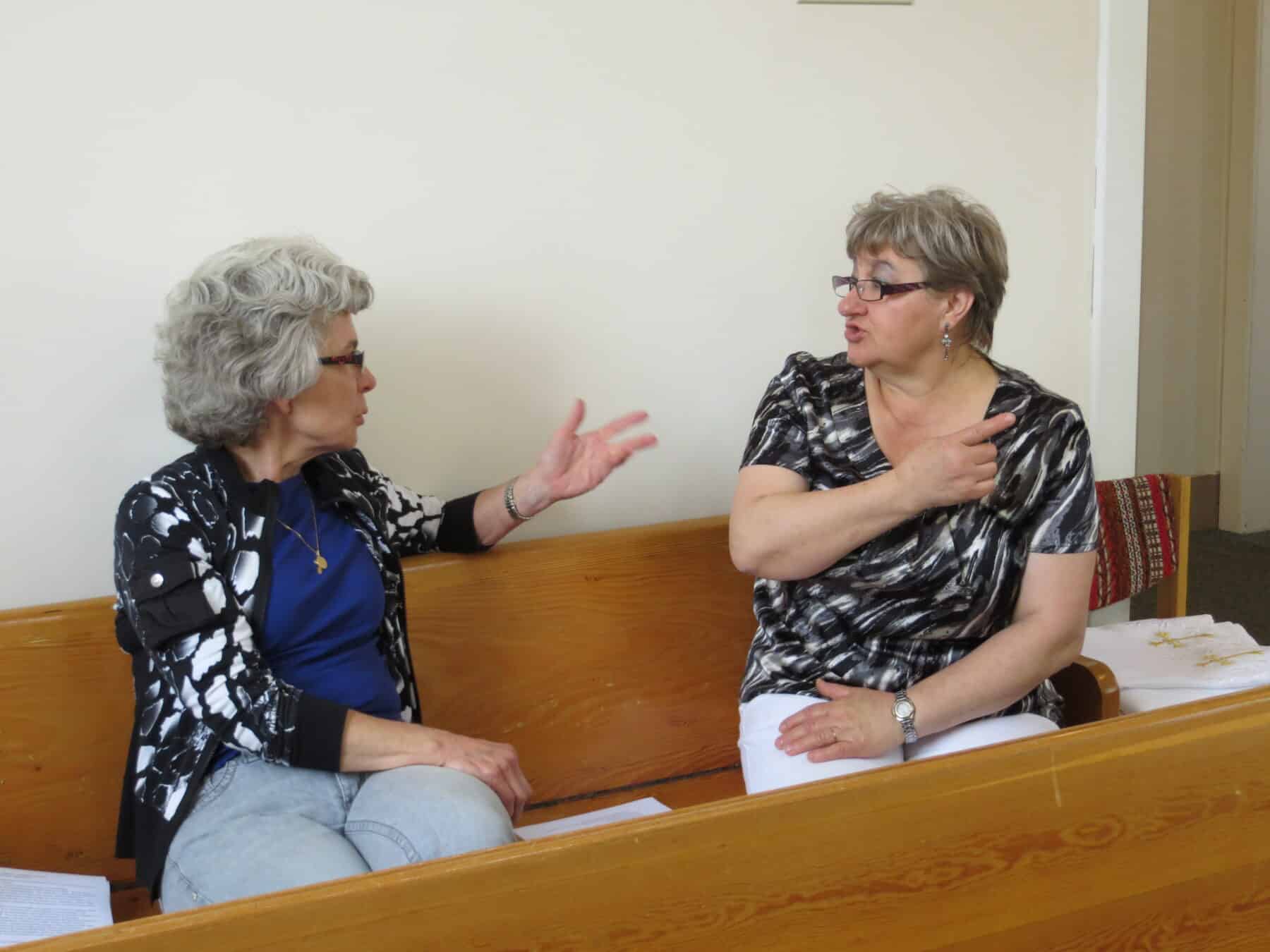
Much as I enjoyed my work in the archives, what I really wanted was to go to villages and talk to people. When Ukraine became independent, I was one of the first Westerners allowed to do just that. This happened in 1998. I was processing this material when, in 2004, I was recruited by the University of Alberta and offered the newly created Kule Chair in Ukrainian Ethnography. At the University of Alberta, I teamed up with John-Paul Himka and Frances Swyripa and we spent 10 years driving around the Canadian Prairies. My colleagues photo-documented Ukrainian churches on the prairies and I conducted interviews. My book based on this work won the Canadian Association of Slavists Book Prize and the Canadian Historical Association’s Clio Prize. The data that I collected is available for all scholars to use on a University of Alberta website. In conjunction with my Prairie work, I also did fieldwork in and among Ukrainians in eastern Kazakhstan. They migrated there at the same time as Ukrainians came to Canada.
At that point I decided that I really needed to go back to my fieldwork from Ukraine and get that out in print. This is what I have been doing and the book I prepared has been submitted to a publisher.
During my career, I got to satisfy my sense of adventure and I also received the Marius Barbeau Medal for service to Canadian folklore and was elected to the Society of Fellows of the American Folklore Society.