
Friday, July 11, 2025
Kateřina Králová
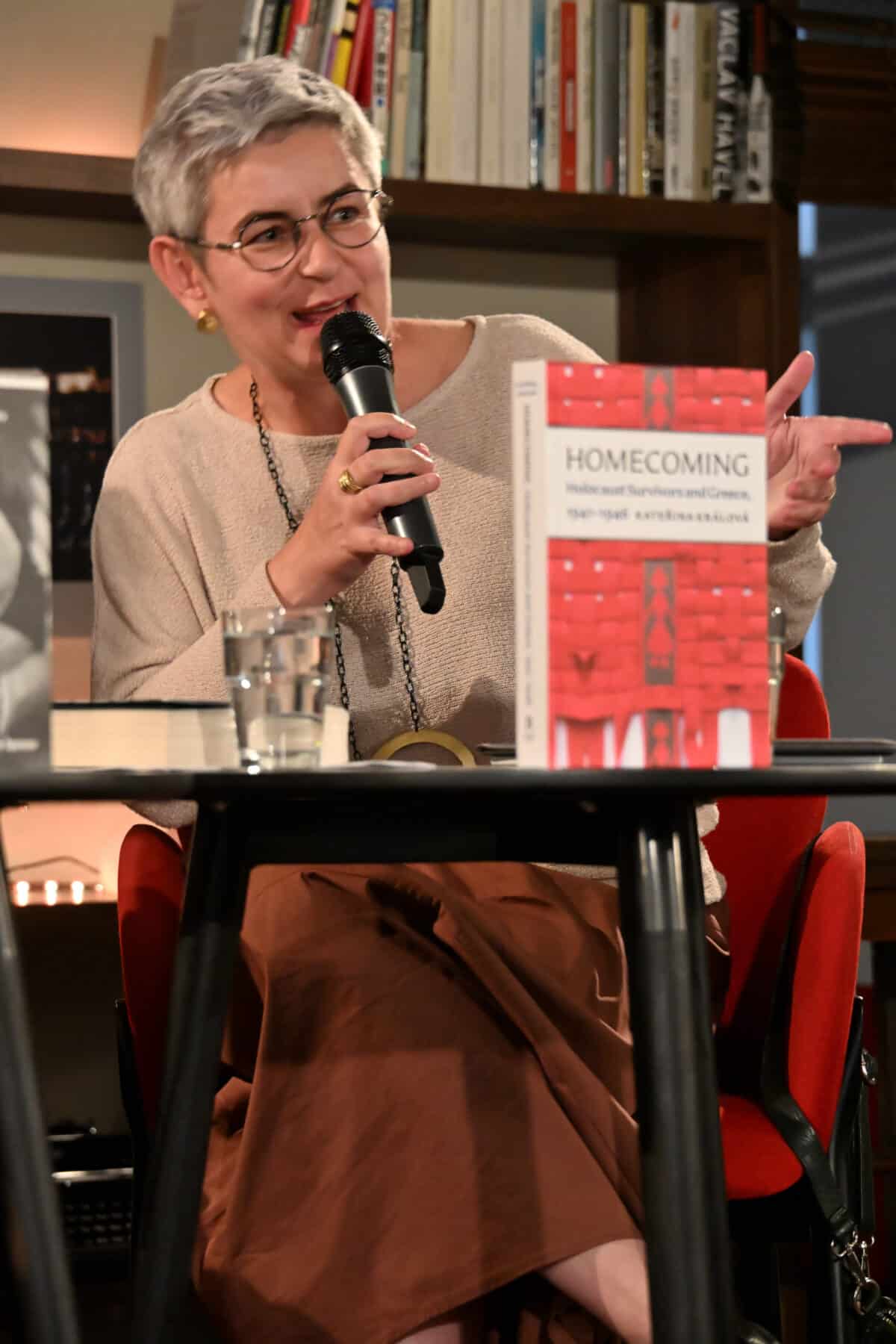
Kateřina Králová is Professor of Contemporary History at the Institute of International Studies, Charles University (CUNI) and a senior researcher at the Institute of Ethnology (CAS).
When did you first develop an interest in Slavic, East European, and Eurasian Studies?
My interest in SEEES stems from personal experience, geographic identity, and academic development. Born in 1970s Czechoslovakia—labelled “Eastern Europe” and part of the Soviet sphere—I experienced “East” as more than a place: it was an ideological and political identity shaped from within and projected from outside. After beginning undergraduate studies in Area Studies at Charles University in Prague in the mid-1990s, I received a scholarship to Philipps University Marburg in Germany, where I completed my master’s degree. There, I encountered the Western gaze toward “Eastern Europe” daily within an academic setting. What had been our everyday reality was now an object of distant curiosity, filtered through narratives of transition. This deepened my awareness of regional labels, historical hierarchies, and the politics of knowledge.
After returning to Prague, I joined the Department of Russian and East European Studies at the Institute of International Studies, Charles University, as a PhD student, and in 2017 became head of department. My research, however, looks southward: to the Balkans, and especially Greece. I explore Holocaust memory, wartime occupation, postwar return, identity, and displacement through transnational and comparative lenses. My academic journey has also been shaped by international fellowships, including a Fulbright at Yale and residencies at the US Holocaust Memorial Museum and elsewhere in Europe. My engagement with SEEES thus hasn’t been a linear journey, but a multidimensional process shaped by lived experience, contrast, and contact, and expanded through scholarship that resists simple definitions of “East” and “Europe.”
How have your interests changed since your initial engagement with the field?
My scholarly focus shifted from top-down institutional and policy-centered analysis to bottom-up exploration of individual narratives. Initially, in my book Legacy of the Occupation (originally published in Czech and Greek, later translated into German as Vermächtnis der Besatzung), I examined power structures and geopolitical change. Gradually, I turned toward memory, survivorship, and everyday life. While I remain a historian at heart, I now integrate methods from oral history, memory studies, and ethnographic fieldwork to better understand how people interpret and shape the past. Personal accounts, silences, and collective memory have become essential sources alongside institutional records—leading me, after my Humboldt Fellowship in Berlin in 2022, to establish the Research Center for Memory Studies at Charles University.
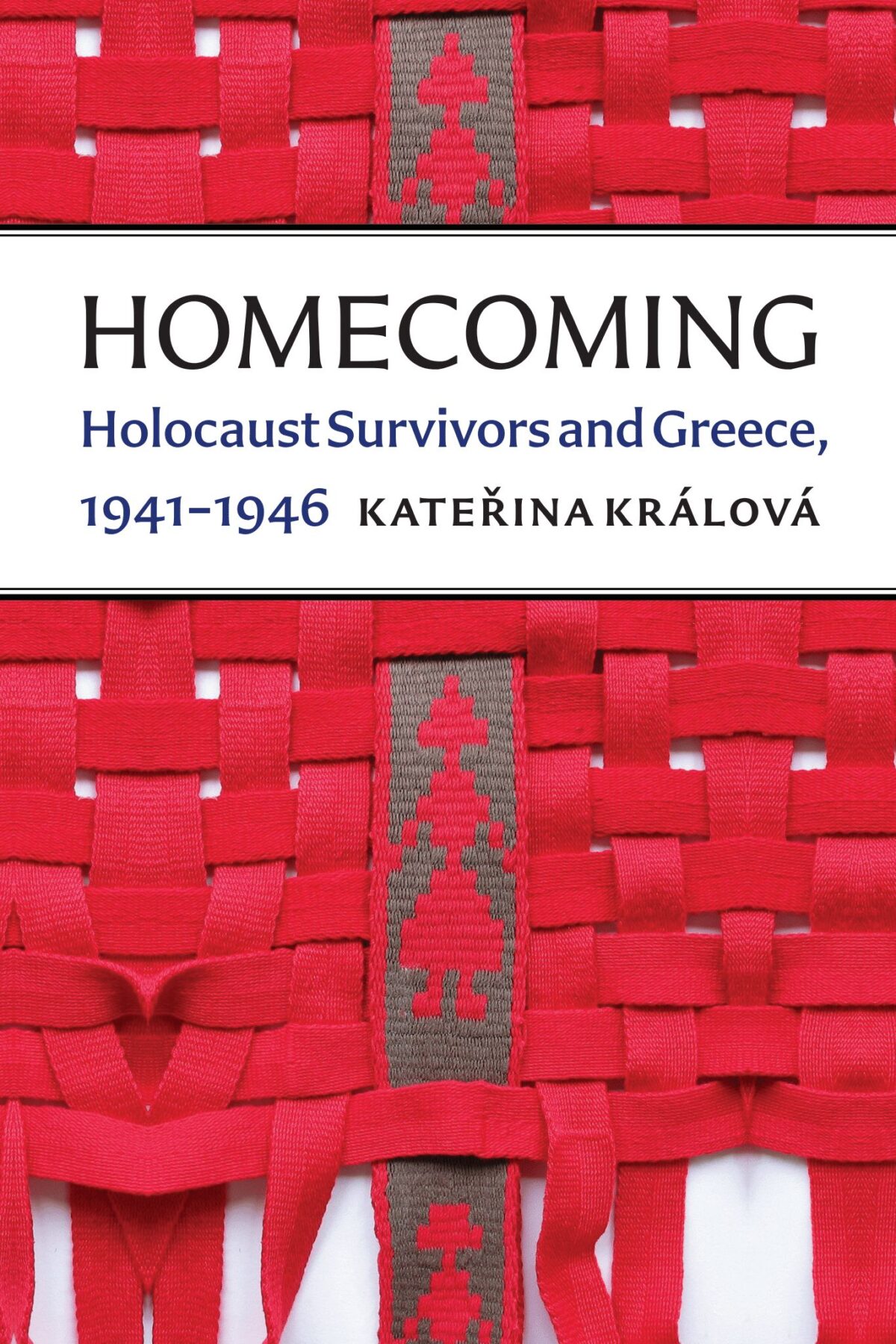
A clear example of this approach is my latest book, Homecoming: Holocaust Survivors and Greece, 1941–46 (Brandeis University Press, 2025), which follows Jews surviving wartime atrocities and returning to Greece. Rather than focusing solely on official decisions, I reconstruct survivorship and return as deeply personal and emotionally charged processes. This narrative-centered, interdisciplinary approach defines my current work, linking structural analysis with individual voices and bridging (post)conflict studies with emotional and cultural history.
What is your current research/work project?
In 2025, I am focused on several interconnected projects. First, I am contributing to commemorations of the 80th anniversary of the end of World War II. I am also working on the Greek translation of Homecoming and preparing for the ASEEES convention. Most intensively, I serve as local organizer of the 2025 Memory Studies Association (MSA) global conference in Prague, my hometown and alma mater. This role allows me to connect Czech academia, activism, and culture with global memory scholarship. Hosting such an event from Central Eastern Europe is a statement—made possible by my dual affiliations with Charles University and the Institute of Ethnology of the Czech Academy of Sciences. Being part of this region doesn’t mean acting only locally; it means contributing to global conversations about memory, justice, and identity.
Tell us about your most interesting/enjoyable research or work experience.
For many, Holocaust studies might seem disconnected from “enjoyable.” But what continues to fascinate—and deeply move—me is the resilience and the quiet strength with which survivors speak of light at the end of the tunnel. The individuals I interviewed in Greece and beyond consistently found ways to hold on to hope, solidarity, and empathy, even in the face of unimaginable loss. Bearing witness to their reflections, and their ability to build meaning after catastrophe has been one of the most profound privileges of my academic life.