
Friday, May 15, 2026
Gabriela Rădulescu
Gabriela Rădulescu is an independent researcher
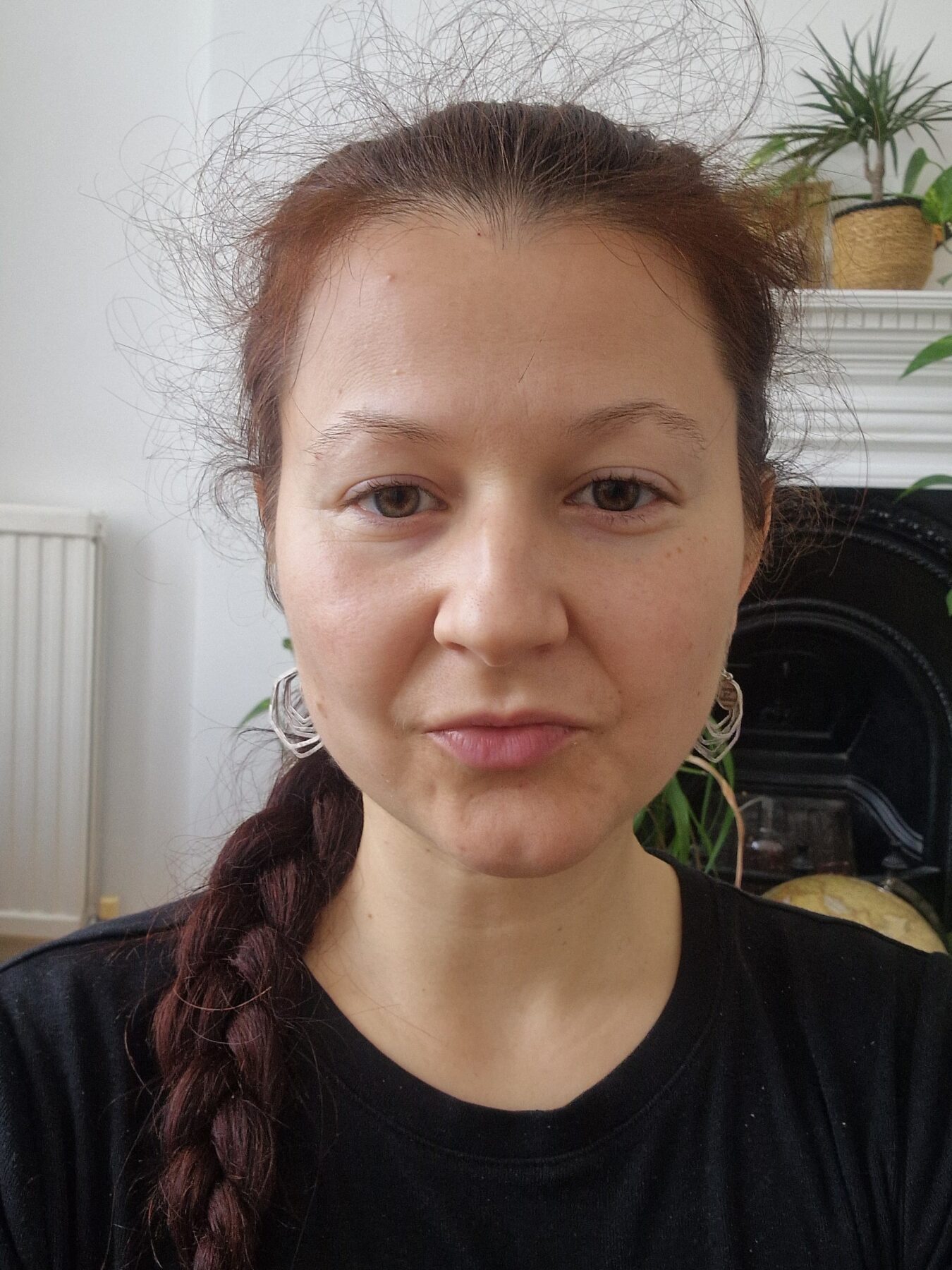
When did you first develop an interest in Slavic, East European, and Eurasian Studies?
Having returned to an academic path, as a student during my second MA degree (in the history of ideas and science), I took a class on the history of Soviet science in 2019, and it ended up having a decisive role in the topic for my MA thesis, subsequent doctoral dissertation, and everything else I continue to do since then. When I started the course, my plan was to prepare for a PhD in the anthropology of science/ STS on the current community of astrophysicists involved in SETI (the search for extraterrestrial intelligence). Knowing that SETI started in the late 1950s/ early 1960s in the US, I began to ask myself, inspired by the class in the history of Soviet science, what was the parallel development in the USSR? I discovered a highly understudied history with wide scientific, political, social, and cultural reverberations. This was my entry point into Soviet studies, which prompted the questions I would ask about the USSR and more broadly, about the international scientific community during the Cold War, as well as the early Cosmist movement, and the post-Soviet legacy of Soviet SETI. On a more subtle note, in 2010/2011, while finishing my BA in philosophy, I wrote a thesis using Hannah Arendt’s moral and political philosophy to analyze relations between Russia/ the USSR and the West. Additionally, while an exchange student in social and political science in Brussels during my first MA, one of the most inspiring classes was in Russian politics, yet I never thought of it as informing my future path at the time.
How have your interests changed since your initial interest in the field?
They have largely grown and become more informed by experience. For example, while researching for almost two months in Armenia to document two Soviet SETI conferences that took place at the Byurakan Astrophysical Observatory in the 1960s and 1970s, I became aware of the freedom of art in this period, and became more interested in the connection between science and national/religious identity in the USSR, relations between Armenia and Russia, and astronomers and scientists in Armenia. Another practical example that changed my initial interest was when doing archival research in Prague on a scientific international conference that never took place, I discovered a much richer history behind the event, and became interested in the connections between reform communism, Cold War convergence, disarmament, and SETI, as well as other relations in the Warsaw Pact.
What is your current research/work project?
I am working on other aspects of Soviet SETI that could not fit into the dissertation, as well as on the period right before the launch of SETI in the international astronautical organizations, where non-governmental actors proposed the scenario of SETI from a different technological vantage point. It is an analysis of the Western/US-Soviet relations in space through an understudied community that influenced the Space Age global relations, and that will later intersect with SETI.
What do you value about your ASEEES membership?
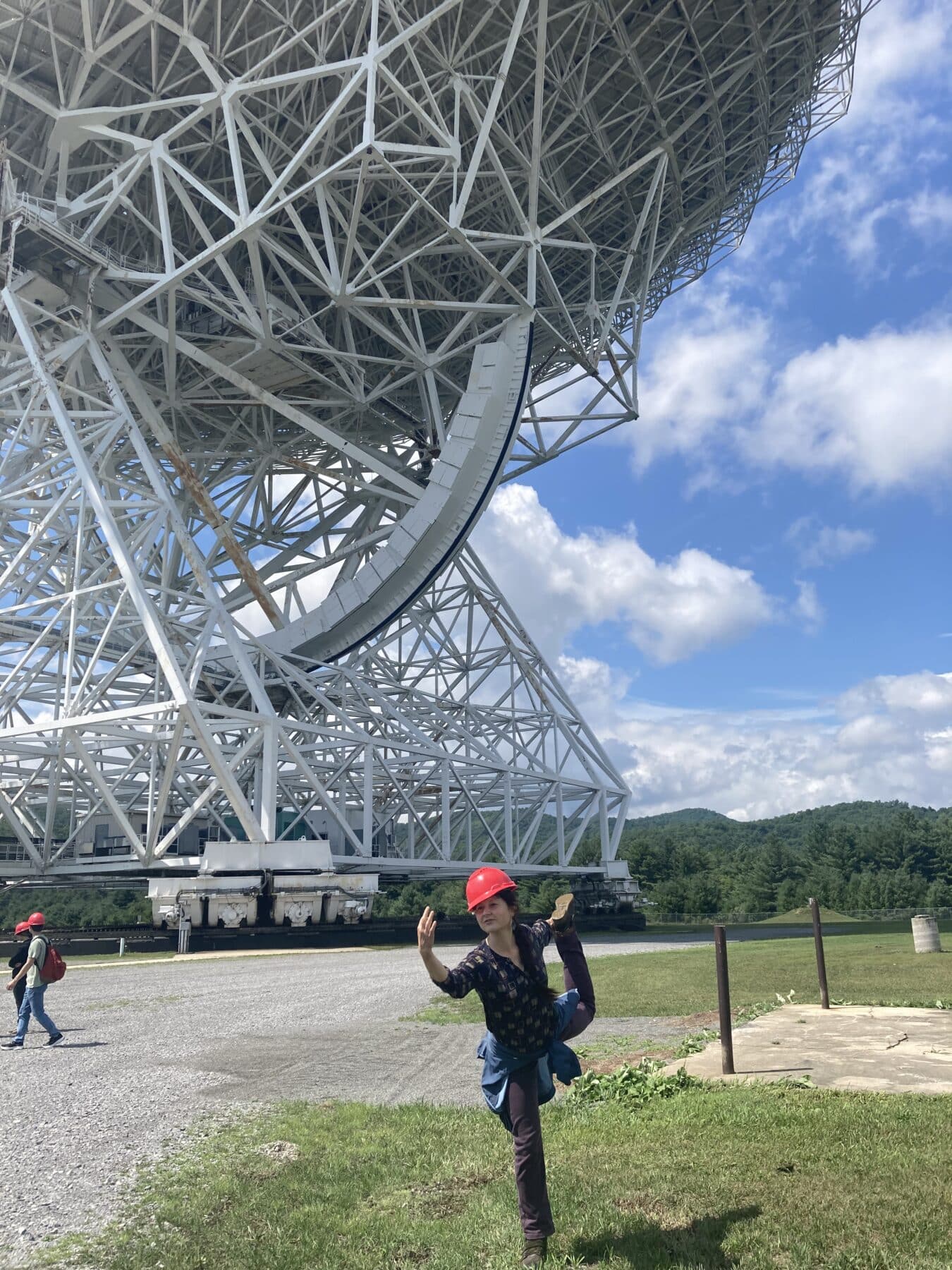
I am new! I know a few people, mostly met while doing my recent post-doc at the Smithsonian National Air and Space Museum, an experience which was really enriching. I am generally eager to talk to other researchers, be part of a scholarly community, and understand what my next role might be and where I can serve best, especially as a scholar who has had a less conformist path and came a long way from doing many jobs at the same time, hoping one day to be able to return to studies and do a PhD.
Besides your professional work, what other interests and/or hobbies do you enjoy?
I enjoy movement, anything from jogging and hiking to yoga and dancing. As an introvert, I really like spending a long time in a museum or a gallery, or just in nature. Creating, mostly through cooking and painting, is also something I make time for, depending on the situation.