
Wednesday, July 16, 2025
2025 ASEEES Dissertation Research Grant and Summer Dissertation Writing Grant Recipients
ASEEES congratulates the 2025 Dissertation Research Grant and Summer Dissertation Writing Grant Recipients!
Dissertation Research Grant Recipients

AJ Al-Kurdi (Ethnic Studies, UC Berkeley), “Intersectionality Travels to Hungary: Romani LGBTQI Organizing Under Democratic Backsliding,” Dissertation Research Grant in LGBTQ Studies
I examine the emergence and development of Romani LGBTQI organizing within the overlapping landscapes of LGBTQI and Romani political mobilization, struggles for legal reform, and state-sponsored exclusionary policies. Both Roma inclusion policies and LGBTQI legal protections have come under increasing threat from the Hungary’s right-wing government, which has weaponized nationalist and heteronormative ideologies to suppress progressive political mobilization. Romani LGBTQI individuals experience triple exclusion: within their own ethnic communities, the mainstream LGBTQI movement, and Hungarian society at large. I investigate how Romani LGBTQI activists define their political agendas, interact with mainstream LGBTQI and Romani organizations, and articulate intersectional demands under conditions of democratic backsliding and illiberalism. While mainstream LGBTQI movements in Hungary historically focused on legal advocacy, their increasing oppression under Viktor Orbán’s government has shifted their attention to community-based activism. Simultaneously, Romani self-organization has faced political co-optation and funding difficulties. Thus, Romani LGBTQI activism emerges as a critical site of contestation, challenging both mainstream LGBTQI organizations and Romani political institutions.

Christina Feil (Comparative Literature, Binghampton University), “Sur-realist Horizons, Decolonizing Nature and Woman in Ermek Tursunov’s Cinema: Interconnected Beings and the Cinematic Language of Decolonization,” James Bailey Dissertation Research Grant in Folklore Studies
“Surrealist Horizons: Decolonizing Nature and Woman in Ermek Tursunov’s Cinema” explores the innovative cinematic language of renowned Kazakh filmmaker Ermek Tursunov, situating his films within broader discourses of postcolonial feminism, ecofeminism, folklore studies, and Central Asian cultural production. By closely analyzing films such as Kelin, The Old Man, and Stranger, I demonstrate how Tursunov employs surrealist cinematic techniques and traditional Kazakh folklore motifs to challenge colonial-patriarchal representations of nature and women. Tursunov’s films uniquely foreground interconnectedness among human and more-than-human beings, actively subverting dominant narratives inherited from historical and contemporary hegemonies. My analysis draws extensively on ecofeminist theory, particularly its critique of hierarchical structures that subordinate women and nature, postcolonial feminist frameworks, which reveal how colonial legacies persist within contemporary cinematic narratives, and folklore studies that illuminate Tursunov’s use of traditional Kazakh storytelling and symbolic imagery. Moreover, this dissertation argues that Tursunov’s approach not only critiques these hegemonic structures but also opens new imaginative spaces for re-envisioning Kazakh cultural identity, ecological consciousness, and gender dynamics beyond colonial and patriarchal paradigms. Thus, my project significantly contributes to Slavic, East European, and Eurasian Studies by positioning Kazakh cinema within contemporary theoretical conversations, offering new insights into Central Asian folklore and cultural production and its negotiations of identity, memory, gender, and environmental ethics in today’s globalized world.
Laura Howells (Politics, Princeton University), “The Role of Education Language Policy in Nation-Building”
Nation-building is a fundamental tool for the creation and fortification of nation-states and can be implemented in a variety of domains. Nation-building policy (NBP) can restrict the parameters for inclusion in the nation or expand them. In this dissertation I will leverage both the opportune timing and the selective inclusion of some grade cohorts and not others by a monolingual education policy in Estonia in order to shed light onto the microfoundations of assimilationist nation-building policy more generally. I propose to make several contributions with this dissertation: first, to provide real-time, granular, and causally-identified findings about the effects of an assimilationist nation-building policy; second, to explicate the interconnected role of the policymaking state, the dominant group, and the minority group through observational analysis and experimental intervention; and finally, to consider the phenomenon of inter-generational assimilation. I aim to expand our understanding of the microfoundations of assimilation–and potential barriers to it– by grounding the project both in deep mixed-methods case work and simultaneous abstraction to make findings generalize beyond the case of Estonia.
Djurdja Jovanovic Padejski (School of International Letters and Cultures, Arizona State University), “Linguistic Barriers to Environmental Mobilization: Comparative Analysis of Official vs. Independent Discourse in Russia and Serbia,” Maya K. Peterson Research Grant in Environmental Studies
This project compares environmental discourse in Serbia and Russia, countries facing irreversible ecological harm and the erosion of democratic participation. It will examine how official discourse—circulated through government channels and legacy media—often downplays these risks or cloaks them in greenwashing language that projects responsibility while concealing deeper structural issues. My thesis investigates how such discourse operates: how language is used to shape environmental narratives, influence public perception, and potentially demobilize civic action. The project compares official discourse with the language emerging from informal sources—independent media, activist campaigns, social media, and citizen conversations—to better understand the mechanisms through which language mediates environmental awareness and engagement in post-socialist societies. Conceptually, the project explores how discourse functions as a tool of power, particularly in the realm of environmental communication. It focuses on the strategic use of terminology and rhetorical framing by authorities and aligned media to obscure risks, generate ambiguity, and suppress civic engagement. Building on existing research on propaganda, greenwashing, and media discourse, this work offers empirical insight into how dominant narratives constrain the public’s ability to interpret and respond to ecological challenges. It aims to illuminate the ways in which language—rather than simply reflecting political reality—actively shapes it.

Nina Kankanyan (Political Science, University of Oregon), “Behind the Curtains: How Civil Society Organizations Choose Contention Strategies,” Dissertation Research Grant in Women and Gender Studies
The existence of a strong women’s movement is fundamental to achieving gender equality and women’s rights protection across the globe. Yet the processes and interactions that contribute to the strength of movements or become their Achilles’ heel remain understudied. This is especially important in post-Soviet states, where growing authoritarianism, extremism, and suppression of feminist activism create additional obstacles to feminist mobilization: on the one hand, activists and organizations engaged in women’s rights advocacy in these countries receive international funding and support, and on the other hand they face shrinking civic space and repressions domestically. In such contexts, what factors shape women’s movements’ strategies? And what unique hurdles do these movements confront based on their identities as women’s movements, compared to other types of social movements? This research project aims to fill this gap in the literature by conducting a nuanced evaluation of the impact that different kinds of local, regional, and transnational network connections have on women’s movements in Armenia, Georgia and Moldova, focusing on the choice of tactics these movement participants make to achieve their goals . By doing so, this project will provide useful insights on the women’s movement in Eurasia and Eastern Europe, and contribute to advancing the agenda of women’s rights and gender equality in this region. The research will also contribute to the broader literature on social movements, feminist studies, and political science.
Zaur Kapanadze (Political Science, Texas Tech University), “Oligarchs and State: Patronage, Elections, and Budget Policy in Georgia”
Oligarchs and large business magnates are perceived as important political and economic actors in post-Soviet states, but despite this common knowledge, we have little empirical evidence which demonstrates what power those individuals command and more importantly what influence they have on policy outcomes. The main objective of this dissertation is to empirically demonstrate what power oligarchs command and how they influence policy outcomes. The dissertation argues that oligarchs use their vast resources to achieve preferable policy outcomes. The post-Soviet republic of Georgia has strong oligarchic networks, but those networks have not been studied well by scholar. This dissertation focuses on Georgian oligarchs and their activities on national and sub-national levels. The first chapter focuses on elections and demonstrates how oligarchs influence the outcome of municipal elections. The second chapter looks at budget policy in the Georgian Parliament. While the Georgian budget is created by executive, the national legislature gets to vote on the budget and before voting they issue a set of recommendations to the national executive. The national executive has to issue a response to those recommendations and either implement the recommendations or disregard them. This procedure makes it possible to trace what oligarchs were asking from the government what they received, and how the decisions of the executive influenced their final vote on the budget. Finally, the third chapter looks at how oligarchs influence the allocation of equalizing transfers to municipalities. Allocation of equalizing transfers is a particularly interesting policy area as on one hand the national government uses transfers to ensure some level of municipal development, while oligarchs would want to receive as much funds as possible to advance their interests in municipalities. Overall, the dissertation demonstrates what power oligarchs command during elections, how they influence policy, and to what specific policy outcome their influence leads to.

Christopher Leger (History, The Ohio State University), “Reddening the Riflemen: Mass Media, Symbolic Appropriation, and Memory Politics in Soviet-Occupied Latvia, 1953-1964”
In the early 1950s, Latvia was under occupation by the Soviet military. While Russian families moved into the homes of deported Latvians, anti-Soviet partisans continued to resist the occupation. Given the enormous political tensions of the time, Soviet propagandists attempted to win the hearts and minds of the Latvian population. They sought to build a new corpus of positive tropes and symbols that portrayed Latvia as “Soviet.” Agitprop, propaganda intended to mobilize support, asserted that the Soviet regime would endure and that socialism could be integrated into daily Latvian life. To analyze and historicize Soviet ideology, I am examining propaganda’s production and dissemination in Latvia, rather than taking formulations from Russia as universal, timeless keystones. I will also demonstrate how various media forms changed the way Soviet appeals were framed. Alongside Soviet-era propaganda in archives in Riga, Daugavpils, Jelgava, and Valmiera, I use Latvian and Russian language radio and television programs, film reels, and public art to contextualize Soviet propaganda as a negotiated process reflective of local and central institutional friction during the occupation. The project recenters Latvian-Soviet history and highlights a critical link among state sociocultural policy, ideology, and mass media.
Elisa Purschke (German, Princeton University), “Proletkul’t: Interwar Internationalism from Below”
My dissertation offers a comparative history of the Proletarian Culture movement or Proletkul’t. Reassembling the movement’s continuous circulation across the Interwar period—as well as its enormous, yet largely unexplored extension, from the Soviet Union to Eastern and Western Europe—I consider its experimentation with epistemic and aesthetic ‘self-activity’ (samodeiatel’nost’) in media such as theater, worker photography, and correspondence as a distinctly mass-based, while formally explorative Internationalist project to democratize socio-political and cultural techniques.

Elizabeth Smith (Anthropology, State University of New York at Buffalo), “‘Only the dead have seen the end of war ’: Burial Variation and Identity in Early Modern Vilnius”
My dissertation examines interactions between health and religious identity in Early Modern Lithuania. Using bioarchaeology and funerary archaeology to reconstruct a picture of urban life during a period of violence and instability, I examine how people navigated complex urban social contexts during a time of war. As a multiethnic, multicultural city, Vilnius was notable in the 16th-17th century for its comparative tolerance of differing religious faiths. Roman Catholic, Orthodox, and several other Christian confessions coexisted alongside a sizeable Jewish community and a number of Muslim Tatars. The Early Modern period was also a tumultuous time in Vilnius, with multiple invasions by foreign powers and a six-year siege of the capital, with resultant death and destruction. The political landscape of Lithuania also changed markedly with the Union of Lublin in 1569 and the establishment of the Polish-Lithuanian Commonwealth. My research aims to understand the lives and deaths of people of differing religious confessions during a time of war in Early Modern Lithuania. Using bioarchaeology to consider health stressors and paleopathology in conjunction with funerary archaeology to examine the performance of idealized social roles, this combination of methodologies allows me to explore two research questions: (1) How variable were the lived experiences of people in Vilnius during the 16th-17th century?, and (2) How variable were the death experiences of people in Vilnius during the 16th-17th century? The archaeological record provides the opportunity to consider how identity and religious practices change with the emergence of truly modern cities and accompanying complex social relationships. By gaining insight into the daily lives of urban wartime populations, this work provides deep historical perspective to understanding the interplay between violence, identity, and inequality in Lithuania. This research also contributes to further understanding of historic Early Modern Vilnius, allowing deeper insight into the cultural history of the region.

Leah Rasmussen (History, University of Maryland, College Park), “Canvases of Red: Painting Kazakh, Kyrgyz, and Soviet, 1917-1991,” Joseph Bradley and Christine Ruane Research Grant in Russian Studies
My dissertation investigates the cultural landscape of two closely related Central Asian republics, the Kazakh and Kyrgyz Soviet Socialist Republics (SSRs), through a case study of artists and painting production in the Soviet Union from 1917 to 1991. This study focuses on the lived experiences of artists as a category of citizen, using their lives as a lens to explore the hybridization of identity that flourished as artists, many of whom were of Slavic descent, actively chose to adopt Central Asian identities. This comparative case study further examines how painting, a predominantly European art form, emerged as the primary medium of national artistic expression in the formerly nomadic Kazakh and Kyrgyz SSRs. How did artists from diverse ethnic backgrounds negotiate their artistic identities within these closely related republics? How did the movement of art and artists across transnational and international borders influence the nature of republican identity? By tracing the evolution of art, this dissertation will offer new insights into ethnicity and the production of national or republican culture as it was shaped on the canvases of artists whose identities bridged or existed as hybrids of Soviet-dictated nationalities.
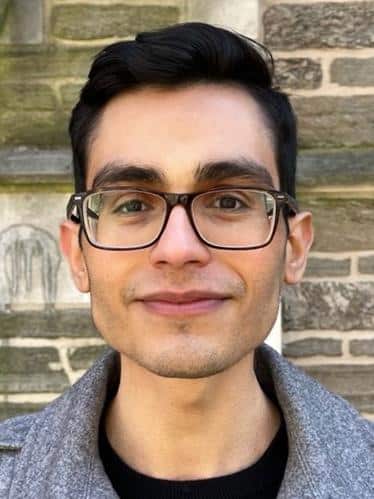
Joshua Velasquez (Slavic Languages and Literature, Princeton University), “Poetic Justice: A Cognitive Approach to 19th Century Poetic Versification as Politics in Slavic Literatures of the East and West”
My comparative dissertation examines the political function of folk versification in the works of three poets (Taras Shevchenko, Karel Havlíček Borovský, Nikolai Nekrasov) from three different national contexts (Ukrainian, Czech, Russian) who all reached the peak of their creativity in the era of Romantic Nationalism. My question is basic yet virtually unexplored: What does poetry make us feel and why? More specifically, what does poetic form have to do with feeling, and how has this been historically or politically significant? Influenced by the work of Mikhail Gasparov and Reuven Tsur’s theory of Cognitive Poetics, I seek to build on the semantic paradigm of poetic meter by proposing a cognitive basis for poets’ experiments with folk meters as a medium of national awakening. By approaching the study of poetics with this interdisciplinary framework, I aim to show how developments in poetic versification have historically played an important role in shaping the arguably unique ability of poetry to generate “civic emotions” in the contexts of the national revivals that shook the broader Slavic lands in the 19th century.
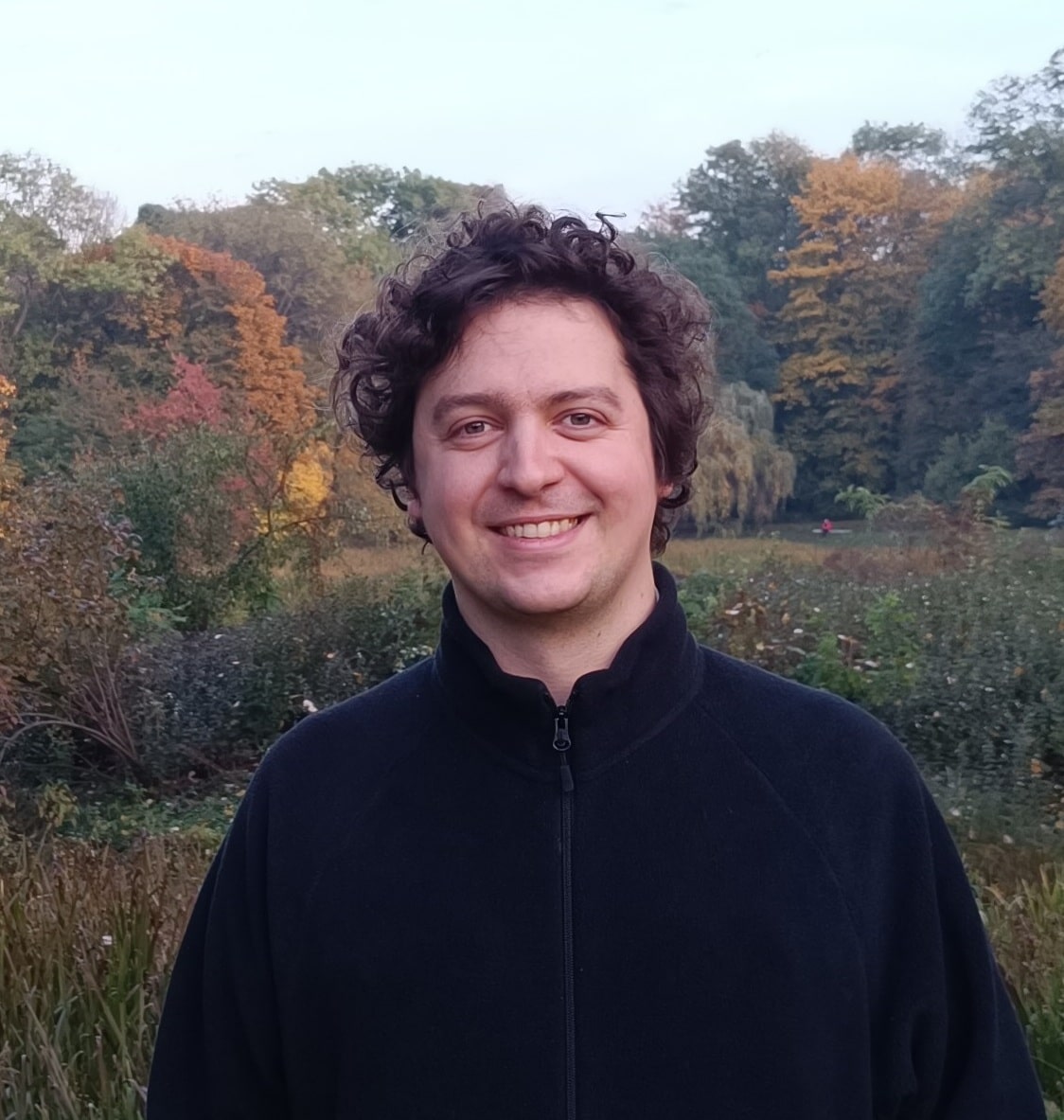
Konstantinos Zivas (History, Yale University), ” Converting Empire: Imperial Russia and the Politics of Debt in the Territories of the partitioned Polish-Lithuanian Commonwealth (1793-1840s)”
In my dissertation, I explore the politics of debt in the territories of the Polish-Lithuanian Commonwealth that were annexed by the Russian Empire during the Partitions (1772, 1793, 1795). Drawing on the collections of prominent Polish-Lithuanian noble families housed in Polish, Lithuanian, German, and Russian archives, I examine how the Russian Empire acted as a creditor, arbiter, and guarantor of the vast financial debts of the Polish-Lithuanian nobility, over the course of several decades. I argue that the Russian management of noble debt constituted a distinctive form of governance in the western borderlands of the Russian Empire that hastened the dispossession of the nobility and affected all actors implicated in the established credit networks: imperial officials, noble landowners, merchants, bankers, lawyers, urban dwellers, and peasants living on mortgaged land. In the 1770s and 1780s Polish noblemen benefited from widely available credit, primarily offered by Dutch banks. During the Partitions of the 1790s the Russian state purchased debt incurred by the Polish-Lithuanian nobility from international banking houses. To collect noble debt, the Russian Empire engaged in long-term negotiations with the debtor families (the Oginski, Potocki, and Radziwill are some of the most prominent examples) and established ad hoc commissions and courts that worked toward the settlement of these debts well into the 1840s. The numerous state and non-state stakeholders brought evidence before imperial courts, resulting in decades-long legal struggles over property rights and outstanding financial claims. In the absence of liquidity, Russian officials kept extracting revenue from noble estates in the form of rents, but also experimented with measures such as the transfer of entire towns from the possession of nobles to the Russian imperial treasury, as a means of debt reduction.
Summer Dissertation Writing Grant Recipients

Inna Blaich (History, Brandeis University), “Revolutionary Shari’a: Muslim Legal Practices in Dagestan’s Soviet Borderlands, 1917-1927”
This dissertation examines Muslim legal practices in Dagestan during the early Soviet Revolution (1917–1927) through a multi-ethnic, borderland lens. It challenges Russo-centric accounts based on official Soviet sources that portray Muslim law as imperial residue or colonial pluralism. Drawing on previously unexamined Arabic and Russian archives, including shari’a court records, it shows how Muslims shaped Soviet state-society relations. Two interventions anchor the study. First, it reveals a sharp gap between written law and practice. Despite formal bans, shari’a courts handled criminal cases, and informal Muslim judges held de facto authority—often with Soviet awareness. Litigants moved between Soviet and shari’a courts, exploiting legal ambiguity. Second, it shows how Muslim litigants and court officials reshaped legal norms through strategic interpretation and institutional improvisation. Revolutionary institutions emerged through contested processes from above and below.
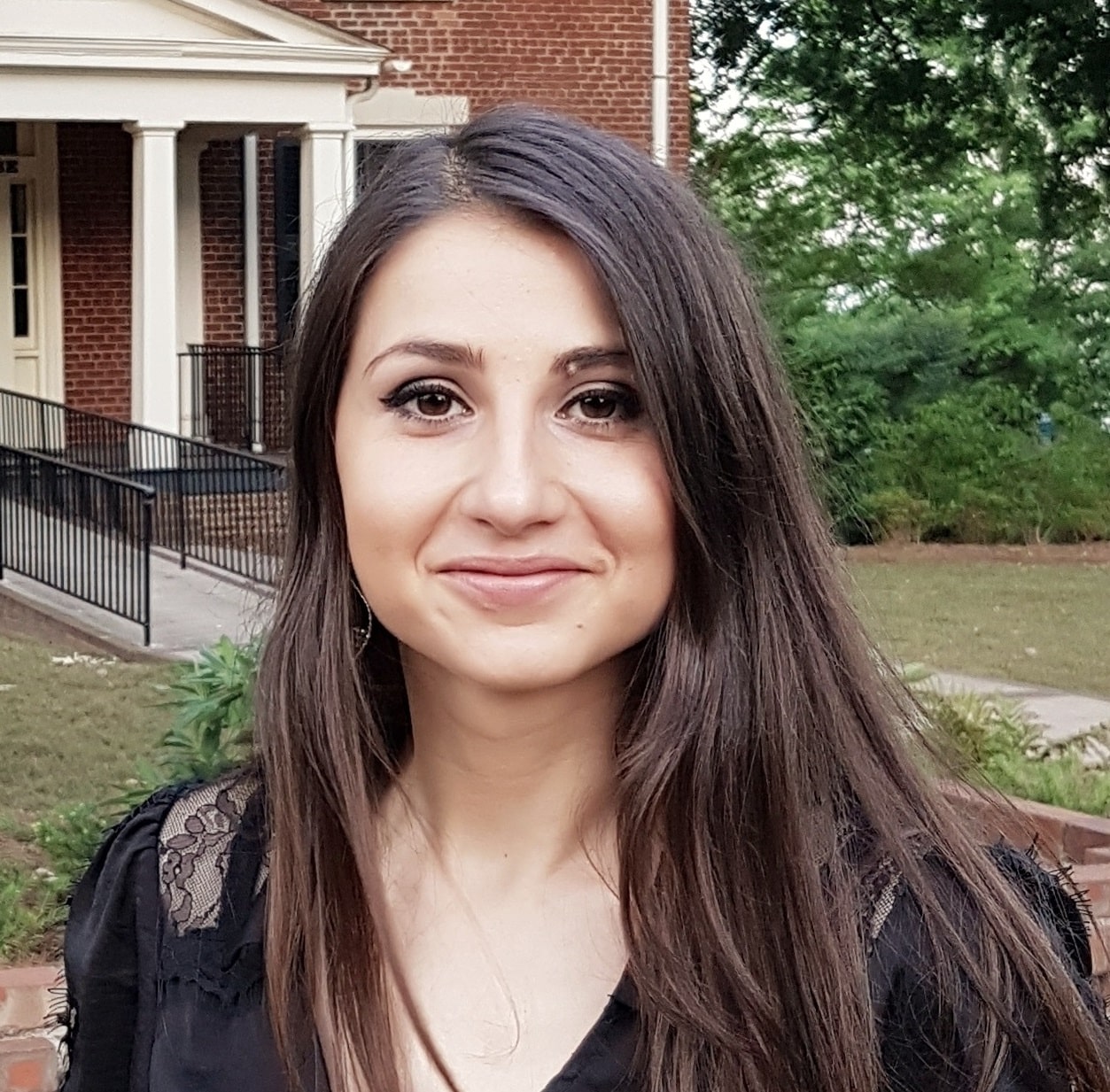
Doina Grecu (Language and Literacy Education, University of Georgia), “Teaching the Language of the Colonizer: An Exploration of Teacher Identities, Language Ideologies, and Classroom Practices of Non-Russian Teachers of Russian from Colonized Spaces”
This dissertation is an exploration of the experiences and language ideologies of educators who are not ethnically Russian, but who have learned this language as a result of colonization and now teach it in U.S. universities and colleges. It delves into ways in which such instructors approach teaching the language of the colonizer, the construction and negotiation of their personal and professional identities, as well as the impact that their language ideologies have on their teaching practices. This research project aims to bring forward voices from marginalized communities, showing their unique perspectives that could guide members of the Russian as a Foreign Language Education professional community in the process of decolonizing the field.
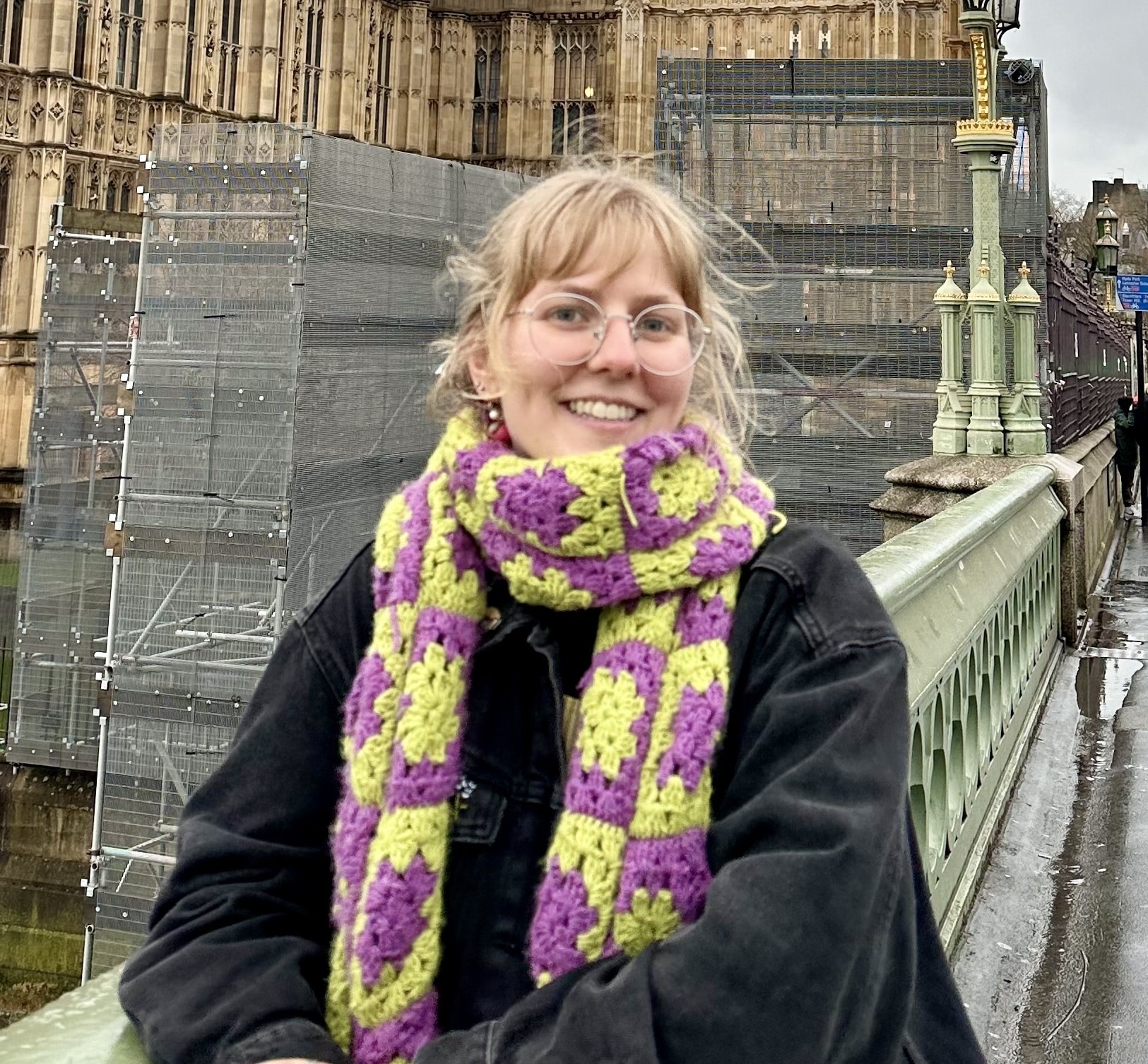
Victoria Paige (History, The Ohio State University), “Mother, Maiden, Martyr: Media Portrayals of Soviet Women in the Second World War”
Throughout the Stalinist period, Soviet media, such as film and literature, depicted shifting portrayals of military women. The purpose of my dissertation is to examine how and why these representations changed throughout the pre-war, war, and post-war eras. Although these three eras appear distinct, I argue that they each represent long-standing anxieties around preserving military masculinity. The Bolsheviks established the Soviet Union under wartime, and repeatedly linked masculinity with military service and culture. Therefore, an examination on women’s position in the armed forces illuminates women’s place in the Stalinist gender order and society at large.

Samuel Page (Slavic Languages and Literatures, Stanford University), “Salvage Literature: Mere Imitation in Yiddish and Russian Modernism, 1900-1930”
My dissertation studies the influence of salvage ethnography and ideas of cultural preservation on early-twentieth-century modernist narrative in Yiddish and Russian. Drawing on research into “salvage anthropology” of the period, I understand salvage as the creation of new forms from practices which in fact aim to change nothing, like preservation and mere imitation. In a comparative framework bringing together works in Yiddish and Russian, I argue for the significance of this salvage ethos and mere imitation as drivers of modernist narrative form which ran parallel to more familiar facets of Eastern European literary innovation like parody, rejection, and resurrection. While Futurists called for the previous century’s writers to be “thrown off the steamship of modernity” and literary theorists inquired into the ways in which the “living word” dies once written into text, I analyze a number of prose works from 1900-1930 which respond with imitation to forces like assimilation, modernization, and outright violence killing the living word in the mouths of vanishing storytellers. The project primarily focuses on literary works by Y. L. Peretz, Aleksei Remizov, Dovid Bergelson, and Isaak Babel, as well as key theorists and critics of the period.
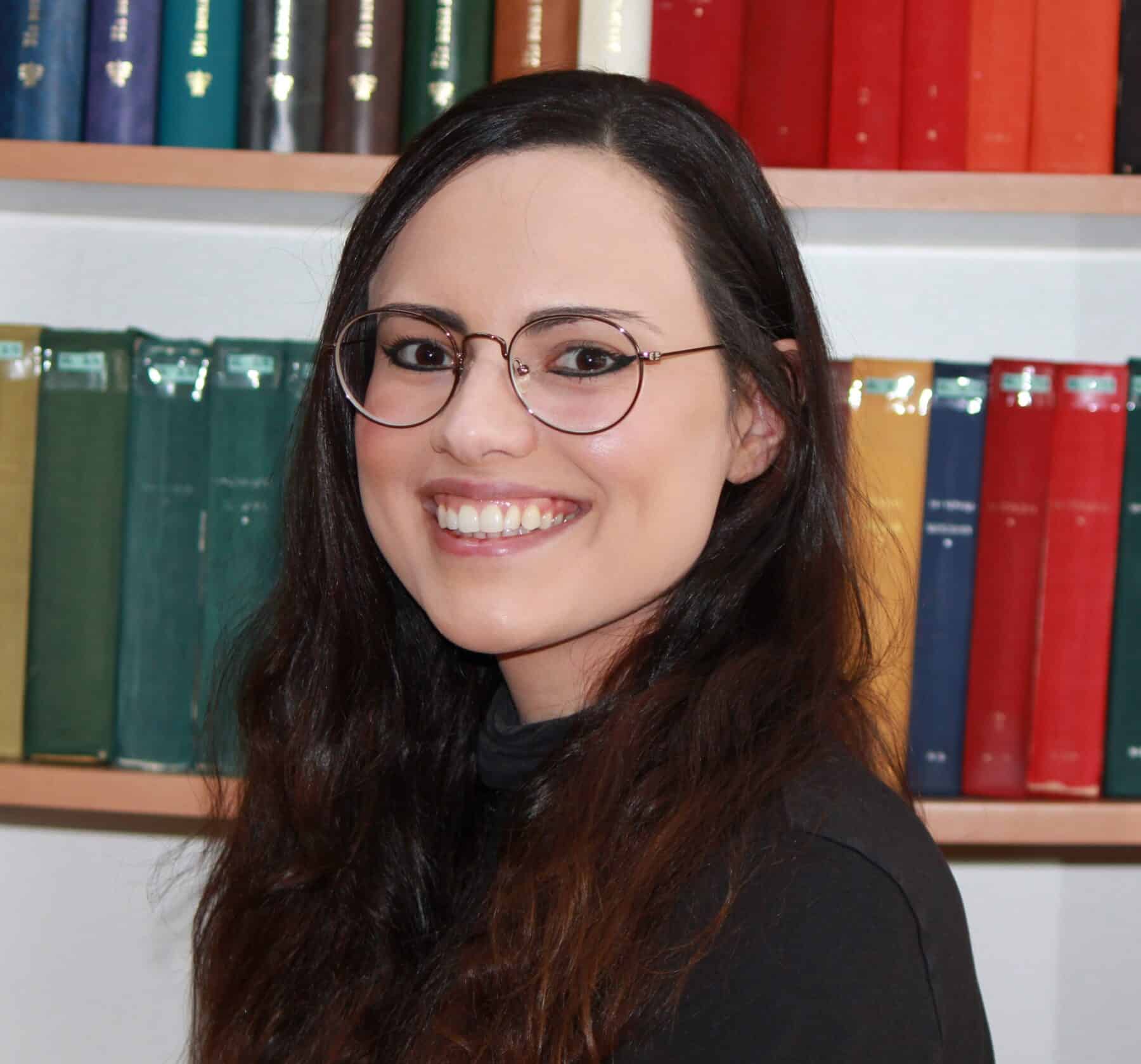
Samantha Sharp (Comparative Literature, Binghamton University), “Transrational to Transcorporeal: Towards an Ecopoetics of Zaum”
Relative to their Romantic and Transcendentalist predecessors, the avant-garde poets of the early 20th century have received relatively little attention from literary ecocritics. As Jeremy Diaper argues in the introduction to his pioneering collection Eco-Modernism, “investigations of the modernist engagement with nature have only started to take root” (1-2). My dissertation, titled “Transrational to Transcorporeal: Towards an Ecopoetics of Zaum,” investigates the ecological poetics of one regional avant-garde movement: Futurism in Eastern Europe. Futurist poetry makes a controversial yet salient object for ecocritical analysis, as this movement has long been defined by its reverence for formalism and textuality on one hand, and urbanization and modern machinery on the other. According to traditional conceptions of nature, such commitments do not characterize an ecological project. These artificial constructs, one might assume, are not the domain of ecocriticism, except as targets of critique or counterexamples. However, in light of recent shifts in ecocritical thought as well the increasing precarity of more-than-human ecosystems of all kinds, past assumptions about these poets require reexamination. I argue that the Russian Futurists and their lesser-known Polish and Ukrainian counterparts participate in radical semiotic experiments that disrupt binaries such as human-nonhuman, self-environment, and mind-matter. Through the semiotic-material practice known as zaum, these poets attend to non-referential language, sound, sensation, embodiment, collectivity, and signification beyond what are typically considered human modes of meaning-creation. Rather than face inward towards a subject who can only represent objects in the world, the process of writing expands “beyond” the individual into the spectrum of relations and expressive capacities that sustain broader ecologies of mind. Ultimately, I argue that these writers usher in a novel ecopoetic modality, one that relies not on sentimentality, stewardship, or reason, but rather on surprise, receptivity, affect, liminality, and becoming. Such ecopoetics are non-instrumentalist, non-dualist, and non-dogmatic, and I articulate this ecopoetic mode against both capitalist and Soviet-statist attitudes towards the environment.
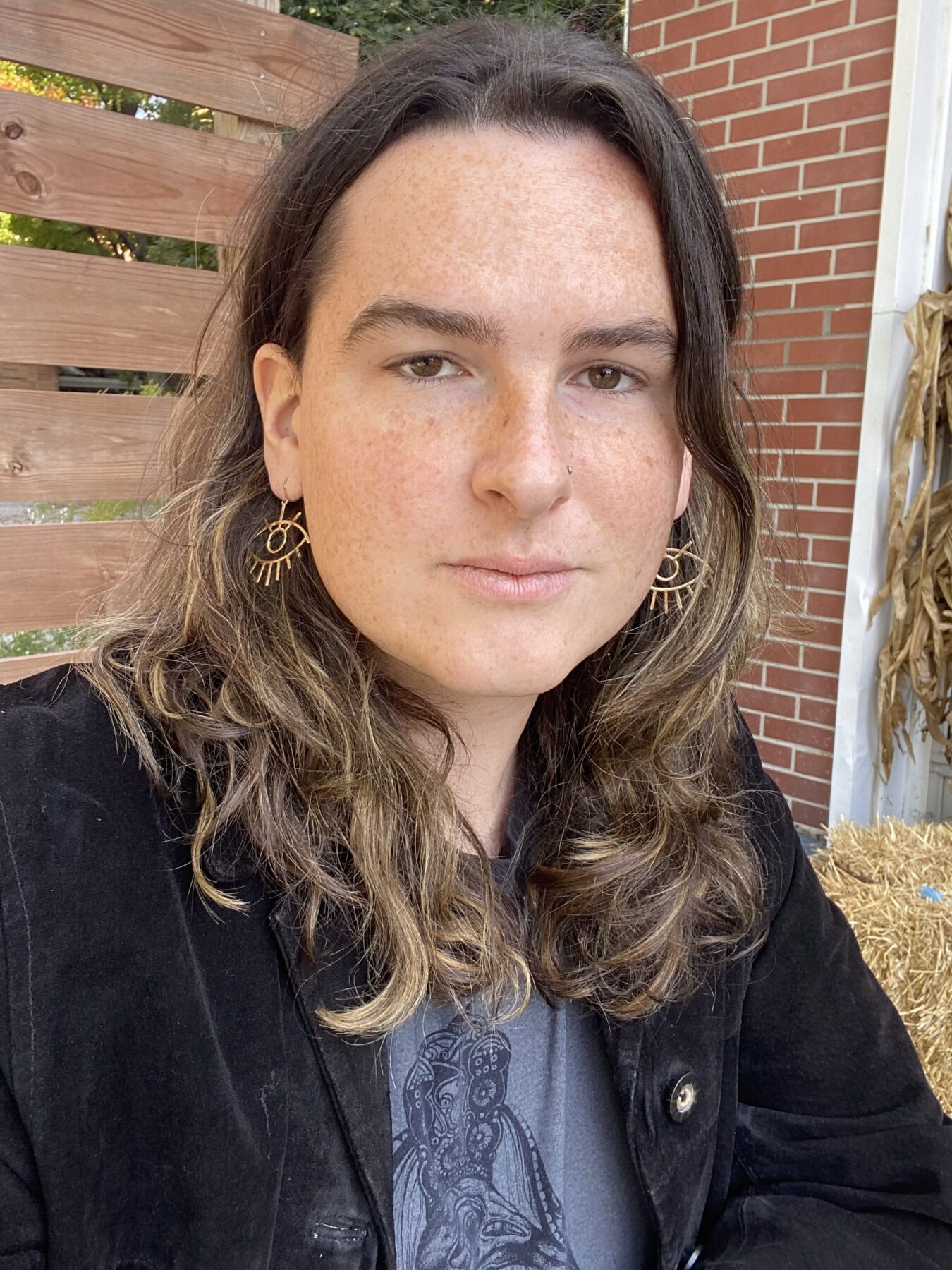
Sophia Tonnessen (Slavic Languages and Literatures, University of Michigan), “How I Learned to Stop Worrying and Love the Pipeline: An Investigation of Speculative Fiction Representations of Russian Petroculture,” Dissertation Research Grant in Women and Gender Studies
My dissertation uses close readings of recent Russian speculative fiction, especially the works of Vladimir Sorokin and Viktor Pelevin, to investigate how the post-Soviet developments in Russia’s relationship with oil and extraction have shaped culture, politics, and especially relationships with gender. I propose that oil and petroleum by-products have become necessary in order to perform normative gender expression in petrocultural societies, as well as rewriting national myths and histories with its influence.